
Overview
Lebanon intends to press Israel to adopt and enact a ceasefire during bilateral discussions in Washington this week, a senior Lebanese official said, as clashes between Iran-backed Hezbollah and Israeli forces have continued despite a U.S.-backed truce declared in mid-April. The face-to-face meetings, scheduled in the U.S. capital, represent the third round of direct contact between the two countries since fighting resumed on March 2.
Context and immediate objectives
The Lebanese delegation will attend the Washington talks despite clear objections from Shi'ite Muslim Hezbollah. With the current ceasefire due to lapse on Sunday, Beirut is focused on securing an agreement that moves beyond a declaration to ensure Israel complies with a cessation of attacks. A senior Lebanese official said the delegation’s principal demand is "a ceasefire that Israel implements." Lebanon's health ministry, citing recent strikes, reported 22 people killed on Wednesday alone, including eight children.
Recent hostilities and military activity
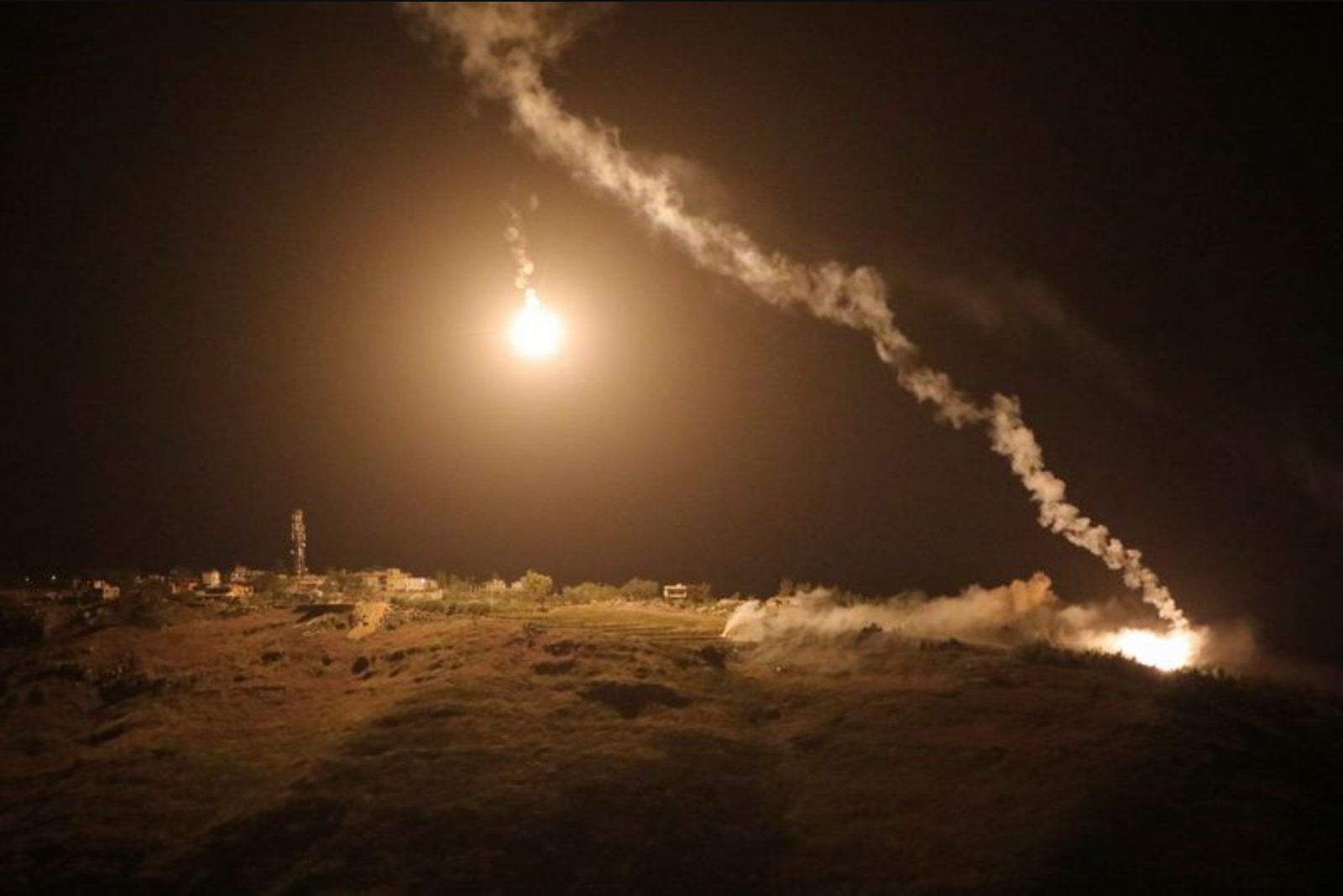
Although a truce was announced on April 16 by U.S. President Donald Trump, exchanges have persisted, largely concentrated in southern Lebanon. Israeli forces reported that an explosive drone launched by Hezbollah landed within Israeli territory near the border and caused injuries to several Israeli civilians. In response, the Israeli military announced it carried out a new wave of strikes on Hezbollah positions in southern Lebanon on Thursday. Hezbollah, meanwhile, said it executed 17 attacks on Israeli troops in the south on Wednesday.
Human cost and displacement
Lebanon's health ministry has compiled a broader tally of casualties and displacement since fighting flared on March 2. The ministry reports a total of 2,896 people killed in Lebanon, including 589 who are described as women, children and medical personnel. The breakdown does not specify how many of the fatalities are combatants. The conflict has displaced some 1.2 million people within Lebanon, with many of those uprooted from southern areas of the country.
Israel reports 17 of its soldiers killed in southern Lebanon and two civilians killed in northern Israel.
Diplomatic particulars and participants
The Washington meetings are the highest-level direct contacts between Lebanon and Israel in decades and follow two earlier sessions in which the countries were represented by their ambassadors to Washington. For this round, both sides have expanded their delegations. Participating for Lebanon will be Presidential Special Envoy Simon Karam. Israel will be represented by Deputy National Security Adviser Yossi Draznin as well as senior military officials, according to a U.S. State Department official. The discussions are slated to take place over Thursday and Friday.
Domestic divisions and key demands
Lebanon's decision to engage in talks underlines deep domestic divisions over Hezbollah's role and armament. Hezbollah was founded in 1982 by Iran's Revolutionary Guards and has been a central security and political fault line within Lebanon. The Beirut government has called for the group's disarmament since last year. When the April 16 truce was announced, Israeli Prime Minister Benjamin Netanyahu stated that Hezbollah's disarmament would be a fundamental demand in any peace negotiations with Lebanon.
Lebanese President Joseph Aoun has navigated these internal tensions in deciding to pursue talks. Aoun later said that it was not yet the right time for a direct meeting with Netanyahu and that Lebanon would first need to secure a security arrangement and an end to Israeli attacks before elevating the discussions to a summit-level encounter.
Lebanese Prime Minister Nawaf Salam, in a May 10 interview with a regional broadcaster, summarized Lebanon's negotiating priorities: cementing the ceasefire, agreeing on a timetable for Israeli withdrawal, and securing the release of Lebanese prisoners held by Israel.
Broader diplomatic context
The U.S.-led mediation between Lebanon and Israel is proceeding alongside international efforts to resolve a related U.S.-Iran confrontation. Iran has linked the cessation of hostilities in Lebanon - where the conflict was triggered by Hezbollah's entry into the fighting on March 2 in support of Tehran - to broader demands in any potential deal addressing the wider regional tensions.
Previously, the most recent meeting of the Lebanese and Israeli ambassadors in Washington took place in the Oval Office, hosted by President Trump, who expressed hope that he could soon host both Prime Minister Netanyahu and President Aoun and that a peace deal might be achievable within the year. Subsequently, Aoun cautioned that a meeting with Netanyahu would have to wait until Lebanon's security conditions had been addressed and attacks halted.
Outlook
The Washington talks will test whether negotiators can convert the existing truce into a more durable and verifiable cessation of hostilities that both sides accept and implement. With the ceasefire's scheduled expiration and continued exchanges of fire, the discussions come amid high humanitarian tolls and significant displacement on the Lebanese side. The degree to which the meetings produce enforceable commitments - particularly on withdrawal timetables, security arrangements and prisoner releases - will shape the immediate trajectory of the conflict and the prospects for further diplomatic engagement.
Note - This report is based solely on statements and figures provided by Lebanese officials, the Lebanese health ministry, Israeli military statements, and U.S. State Department comments as presented by official sources.