
Economy May 14, 2026 07:44 AM

Polestar CEO: Rising Pump Prices Shift Buyer Priorities Toward EVs

Higher fuel costs push consumers from 'range anxiety' to 'pump anxiety,' boosting demand even as Polestar reports a widening quarterly loss

By Priya Menon

Polestar's chief executive says surging fuel prices have changed how consumers evaluate electric vehicles, prompting growing interest in both new and used models. The company reported a $383 million net loss in the first quarter amid pricing pressures, intensifying competition and tariffs, even as volumes rose 7% year-on-year. Geopolitical disruptions in the Strait of Hormuz and recent attacks involving Iran are cited as drivers of higher oil prices that are altering purchase decisions.

Polestar CEO: Rising Pump Prices Shift Buyer Priorities Toward EVs

Key Points

  • Rising fuel prices have shifted consumer concern from EV range to the cost of refuelling, according to Polestar CEO Michael Lohscheller, boosting demand for both used and new electric vehicles.
  • Polestar reported a first-quarter net loss of $383 million, citing pricing pressures, intensified competition and EU and U.S. tariffs, while volumes rose 7% year-on-year.
  • Lohscheller described China's auto market as "hyper competitive," urged Europe to "speed up," and flagged U.S. uncertainty from disappearing tax incentives and consumer worries about higher costs.

Shift in consumer calculus

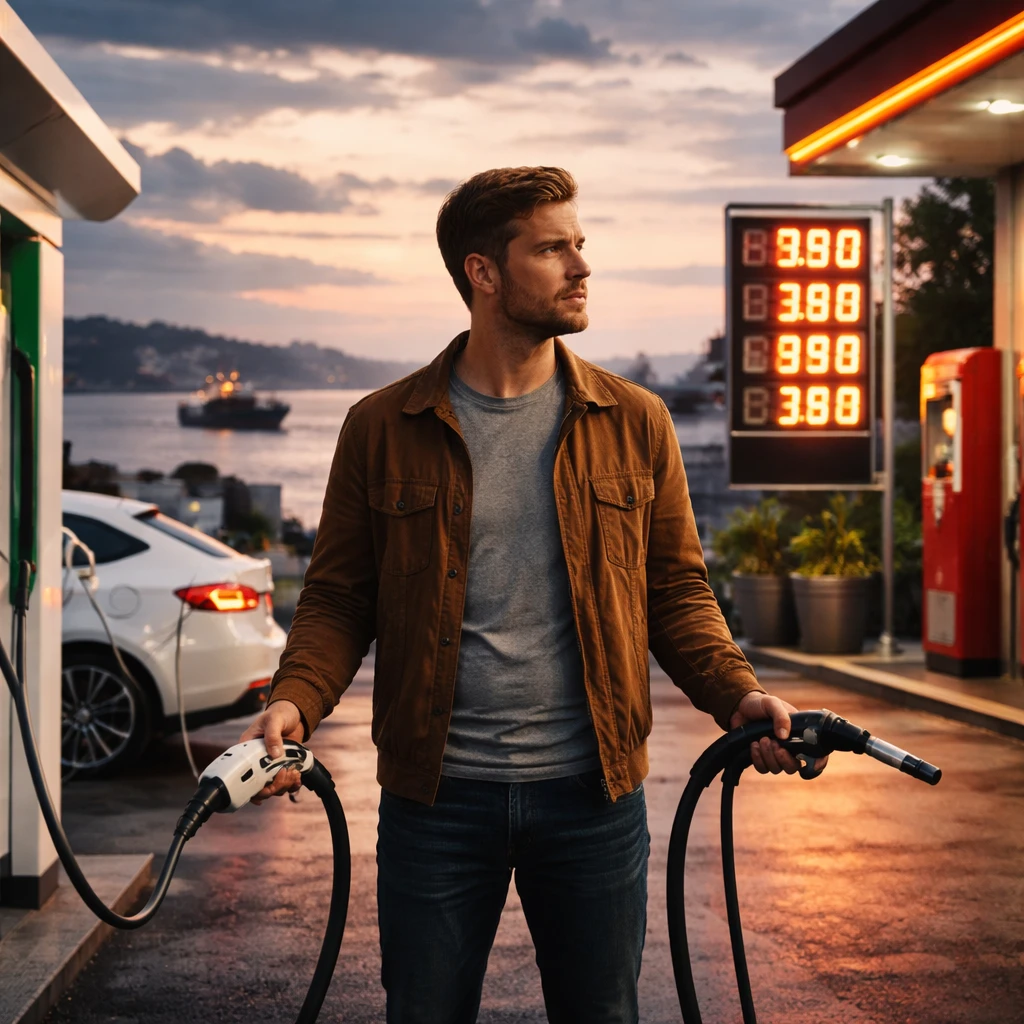
Polestar's chief executive told financial television that the recent rise in fuel costs has altered consumer concerns from range limits to the immediate expense of refuelling. "People are concerned, 'how much do I pay at the gas station?'" Michael Lohscheller said, describing a move away from abstract worries about EV range toward concrete anxiety about pump prices.

The CEO attributed increased demand to higher fuel prices, saying both used and new electric vehicles are seeing stronger interest as energy costs climb. Lohscheller linked the spike in fuel prices to disruptions at the Strait of Hormuz - a narrow shipping lane that normally handles about one-fifth of the world's oil supply - and noted that oil has been rising since the U.S. and Israel attacked Iran in late February.

Financial results and industry pressures

Polestar, a Chinese-owned company headquartered in Sweden, reported a first-quarter net loss of $383 million last week. The company said that the loss reflected a combination of pricing pressure, stronger competition and tariffs from the EU and the United States. Despite the widening loss, production and sales volumes increased 7% compared with the same period a year earlier.

Lohscheller also highlighted competitive dynamics across major markets. He described China's market as "hyper competitive" and suggested that Europe needs to "speed up" to remain competitive. At the same time, he pointed to uncertainty in the U.S. market, noting disappearing tax incentives and wider consumer apprehension about rising costs as headwinds for vehicle demand and industry planning.

Implications for manufacturers and buyers

According to the CEO's comments, the immediate effect of higher fuel prices is a recalibration of purchase priorities among consumers. Where earlier motivations for buying EVs included idealism or environmental considerations, Lohscheller said price and running-cost calculations are now dominant in buyer decision-making.

Outlook

Polestar's experience illustrates how geopolitical events and energy-market responses can alter consumer behavior quickly, amplifying demand for electrified transport while exposing manufacturers to margin pressure from pricing dynamics, tariffs and intense competition.

Risks

  • Competitive pressure in China may continue to compress margins and complicate pricing strategies for automakers - impacts the automotive and manufacturing sectors.
  • Policy and incentive changes in the U.S., including disappearing tax incentives, create uncertainty for EV demand and planning - affects auto sales and consumer finance.
  • Geopolitical-driven oil-price volatility, tied to disruptions at the Strait of Hormuz and recent attacks involving Iran, could alter consumer behaviour and cost structures in energy and transport sectors.

More from Economy

U.S. import prices jump sharply in April as fuel costs post biggest monthly rise in four years May 14, 2026 Brokerage Consensus Sees S&P 500 Rising in 2026 Despite Energy-Driven Inflation Risks May 14, 2026 Merz Opposes EU-Wide Borrowing, Calls for Deep Economic Overhaul May 14, 2026 Venezuela launches broad debt-restructuring effort after U.S. sanctions are eased May 14, 2026 U.S. and China Agree on AI Best-Practices Framework as Trump Meets Xi in Beijing May 14, 2026