
Markets began the week with subdued trading and a degree of optimism despite fresh headlines from the Mideast. Investors appeared to put short-term geopolitical alarms to one side, instead focusing on the possibility of an agreement that would restore regular vessel movements through the Strait of Hormuz.
Futures tied to the S&P 500 were down about 0.6% as of Asia's lunchtime, but the decline came on very light volumes and amounted to only a slight pullback from the index's record peaks recorded on Friday. Most markets across Asia moved higher, while European futures registered a larger fall of around 1.1%.
Oil prices eased from their opening extremes but remained roughly 5-6% above prior levels, stopping short of the $100 per barrel mark. The energy complex thus reflected continued risk premium linked to regional developments, even as trading activity stayed thin.
On the diplomatic front, U.S. authorities said they had seized an Iranian cargo ship that attempted to breach a U.S. blockade, prompting Tehran to promise retaliation. Iran also declined to take part in a second round of talks that the United States had sought to begin before the current ceasefire lapses on Tuesday. European partners have expressed concern that a relatively inexperienced U.S. negotiating team may be pressing for a headline-friendly agreement that could create larger difficulties subsequently.
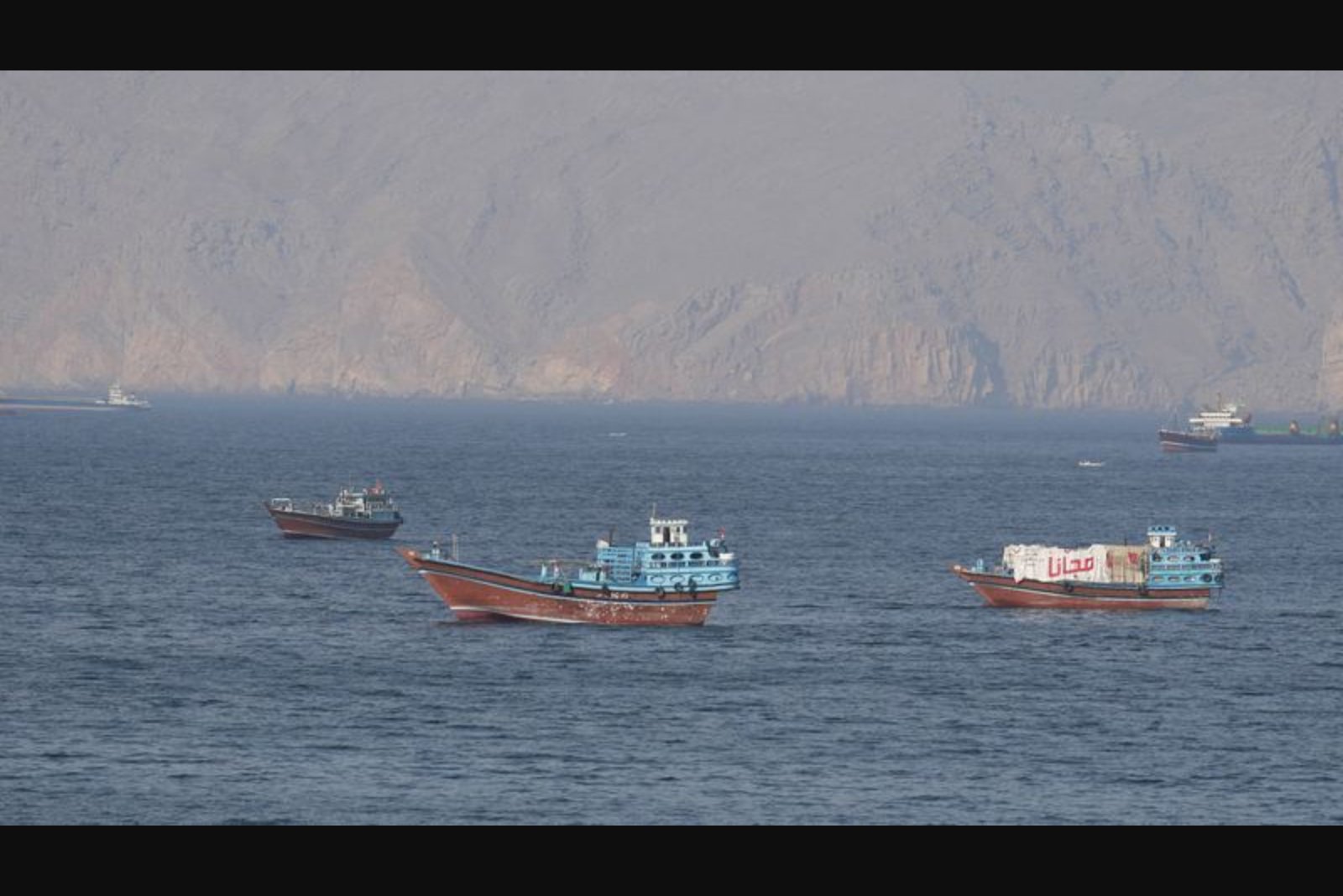
Markets kept a close eye on the Strait of Hormuz. Although Iran announced it was again closing the waterway, data from Kpler indicated more than 20 ships transited on Saturday, marking the busiest day there since March 1 and offering some reassurance to global trade flows.
Beyond geopolitics, traditional market drivers were re-emerging. Earnings releases, economic data and other news items were working their way back into investor calculations. In London this week, British premier Keir Starmer is scheduled to address parliament under pressure from calls for his resignation tied to his handling of the appointment of Peter Mandelson as U.S. ambassador. Mandelson was sacked last September after revelations about his ties to Jeffrey Epstein.
Canada also featured in the early-week calendar. Prime Minister Mark Carney commented that the once-beneficial close relationship with the United States has in some respects become a liability, a sign of how the conflict is reshaping diplomatic alignments. Markets will additionally be watching Canada's consumer price index, which is due and could influence regional fixed income and currency moves.
Key developments to watch this week
- U.S.-Iran relations and developments around the Strait of Hormuz
- Prime Minister Keir Starmer's parliamentary address in London
- Canada's consumer price index release