
European defence equities have lost momentum as investors retreat from positions that had been richly rewarded since Russia's full-scale invasion of Ukraine in 2022. The MSCI Europe Aerospace and Defence Index tumbled 9.2% in March - its largest monthly decline in five years - marking a significant reversal for a trade that had been among the market's strongest.
Defence stocks had historically benefited from conflict-driven spikes in demand - for example following the 2022 invasion - and from political pressure on allied nations to raise military spending. Yet the outbreak of fighting in Iran on February 28 has not produced the same sustained uplift, despite repeated public criticism from U.S. President Donald Trump aimed at NATO over its response to U.S. military action.
Portfolio managers and analysts point to a combination of profit-taking and elevated valuations as reasons for the unwind. "There has been quite a lot of de-grossing (trimming positions) as financial institutions and retail investors have looked to reduce exposure amid increased uncertainty," said Martin Frandsen, portfolio manager at Principal Asset Management.
Individual share moves underline the breadth of the retreat. Czech arms maker CSG has fallen almost a third since the Iran conflict began. German names Rheinmetall and Renk have each lost about 10% of their market value, while Sweden's Saab is roughly 12% lower.
Positions unwind after a long rally
The aerospace and defence sector in Europe posted extraordinary gains after February 2022, rising more than 450% compared with a roughly 40% rise for the wider MSCI Europe index. That surge was supported by European government pledges to increase defence budgets and by policy changes such as Germany relaxing fiscal constraints to accelerate rearmament.
But that momentum has met practical limits. Analysts at Morgan Stanley say order intake has been slower than some investors anticipated, with some contracts delayed or phased amid fiscal pressures in countries including France and Britain. That has reduced the visibility on near-term revenue streams for many suppliers.
Rheinmetall, the maker of tanks, ammunition and air-defence systems, acknowledged the heightened demand environment, saying it was "inevitable" that countries would spend more on air defence as the Iran war continues. Still, that view has not been enough to prevent the sector-wide pullback.
Citigroup analysts noted that while the overall stance among investors remains generally positive, "enthusiasm has cooled and crowded bullish positions have been trimmed." Crowded positioning can magnify price moves when sentiment reverses, amplifying declines.
Louis-Vincent Gave, CEO at Gavekal Research, observed that the start of the Iran war, the accompanying rise in energy prices and disruptions to supply chains have pressured a range of previously crowded trades. "So just as gold, silver, copper and other metals pulled back aggressively, so did defence stocks," he said.
Valuations and growth expectations
Valuation levels were another key factor in the correction. At the outbreak of the Iran conflict, Europe's aerospace and defence index traded at about 29 times projected earnings - near record highs reached late last year. That multiple implied that a significant rise in defence budgets had already been priced into share valuations.
"A rise in defence budgets over the coming years was already priced into global defence stock prices," said Aarin Chiekrie, an equity analyst at Hargreaves Lansdown. He added that the recent pullback partly reflects growth expectations getting ahead of themselves.
Questioning the future of warfare
The Iran conflict has highlighted both the cost and intensity of contemporary combat. Gulf states have fired hundreds of U.S.-made Patriot anti-missile interceptors, each reportedly costing about $4 million, underscoring the expense of certain legacy air-defence systems.
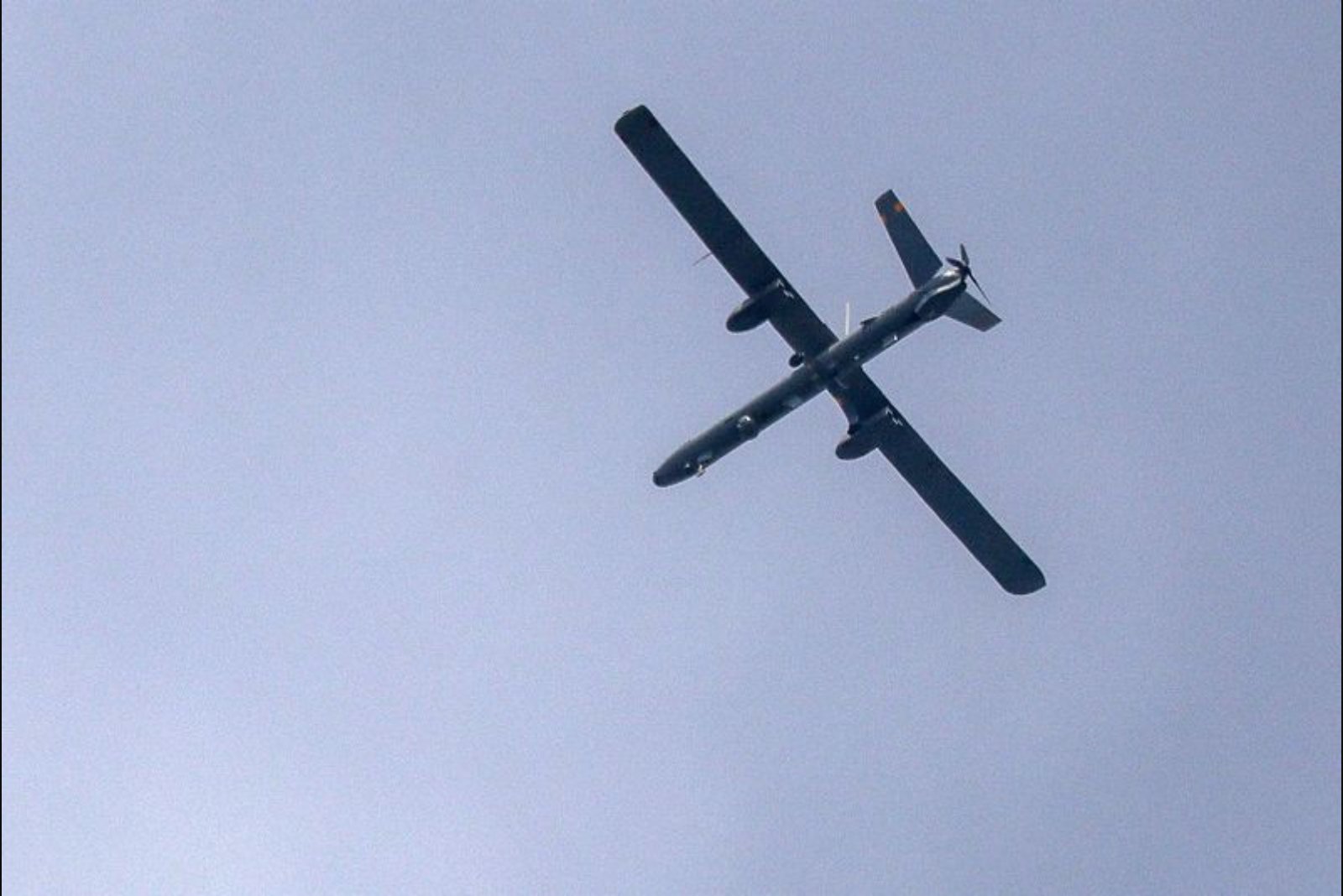
At the same time, the conflict has renewed attention on lower-cost military technologies that have also been prominent in the fighting in Ukraine. Attack drones and counter-drone solutions - including interceptors like the Ukrainian-designed system marketed by Japan's Terra Drone - have shown growing relevance.
"There is a shift in the 'future of warfare' question since the outbreak of the Iran conflict, with the growing role of new technologies like much cheaper drones bringing into question the demand for legacy more expensive platforms," said Ciaran Callaghan, Amundi's head of European equity research.
Some European defence manufacturers are responding by boosting investment in drones, surveillance equipment and counter-drone systems. Rheinmetall, for instance, signed an agreement with U.S.-based Anduril last year to jointly develop European versions of Anduril's Barracuda and Fury drones.
Long-term picture remains intact, say analysts
Despite the recent correction, many analysts argue the long-term rationale for European defence stocks remains robust, anchored by rising government spending commitments and ongoing rebuilding of capabilities after years of underinvestment.
Fund flows offer some support for that view. LSEG data show net inflows of $1.32 billion into the WisdomTree Europe Defence exchange-traded fund so far in 2026, including $377 million in net inflows since the start of the Iran conflict. Two smaller ETFs - the iShares Europe Defence ETF and the HANetf Future of Defence ETFs - have attracted a combined $355 million this year, with $124 million of that arriving since the conflict began.
"The longer-term growth picture remains intact ... driven by a need for countries around the globe to rebuild their capabilities after decades of underinvestment," Chiekrie said.
Is RHMG a bargain right now?
The fastest way to find out is with our Fair Value calculator. We use a mix of 17 proven industry valuation models for maximum accuracy. Get the bottom line for RHMG plus thousands of other stocks and find your next hidden gem with massive upside. See Undervalued Stocks