
Market move
Shares of Japan Petroleum Exploration Co fell sharply after the company issued a warning that escalating tensions in the Middle East could harm its profitability. The stock slid as much as 9.3% to 2,130 yen as of 04:11 GMT on the news.
Supply disruptions and procurement response
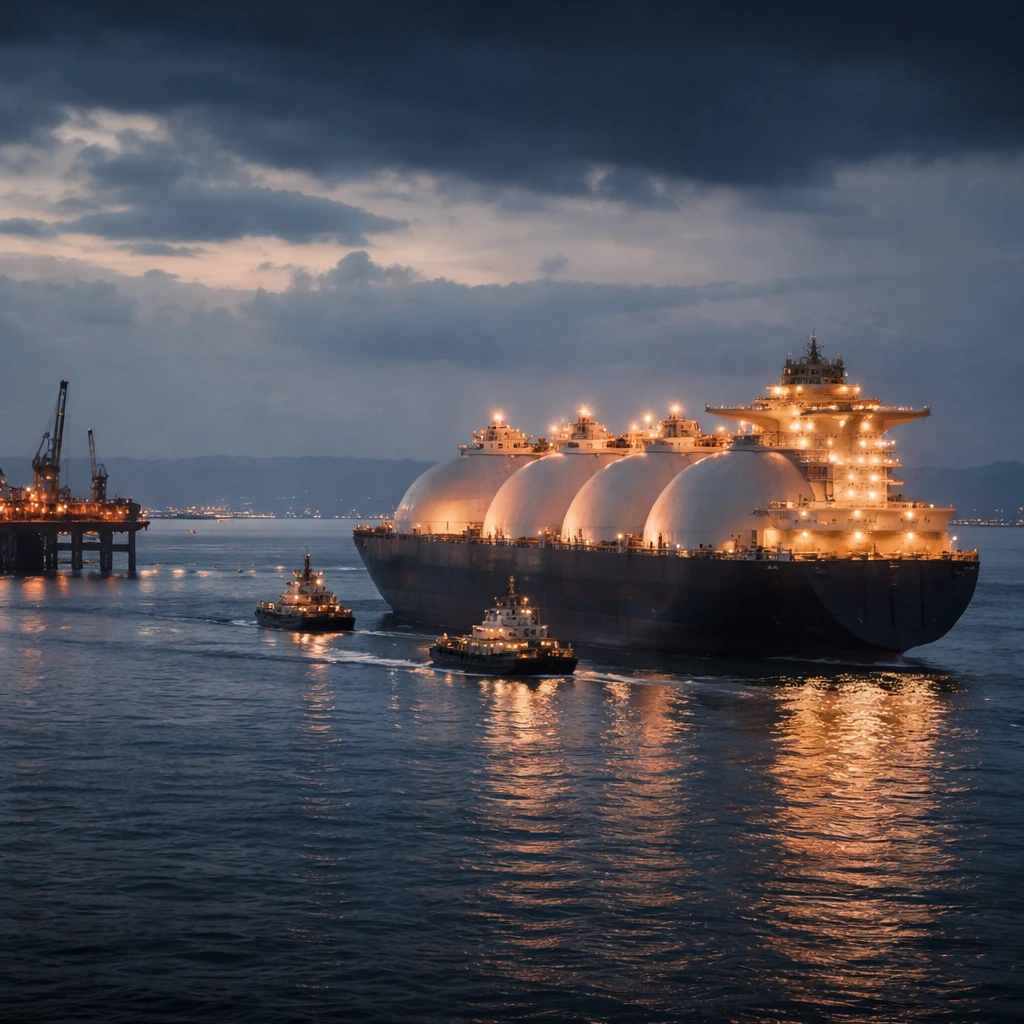
JAPEX said shipments from the Persian Gulf were affected by a de facto blockade of the Strait of Hormuz, forcing the company to seek replacement liquefied natural gas cargoes on the spot market. The firm indicated that securing spot cargoes will significantly increase procurement costs compared with pre-crisis levels.
While the company reported it has managed to line up alternative supplies, it cautioned that the higher procurement expenses are likely to weigh on margins even if physical deliveries to domestic customers remain intact.
Production stoppage in Iraq
The company also flagged a stoppage of production at the Garraf oil field in Iraq. Operations there have been suspended following a force majeure declaration by the Iraqi government. JAPEX said there is no immediate prospect for resumption of activity at Garraf, and the suspension has cut off the related revenue stream.
Net effect on earnings
JAPEX noted that while higher crude oil prices and a weaker yen could provide some support to earnings, these potential benefits may be offset by the elevated cost of LNG procurement and the lost output from the suspended Iraqi field. The company is in the process of assessing the full financial impact and intends to reflect the effects in its fiscal 2027 earnings outlook, which is due in May.
Context for stakeholders
Investors and market participants will be watching JAPEX's forthcoming outlook for details on how the company plans to quantify the combined effects of higher spot LNG costs and the suspended production. For now, JAPEX emphasizes supply continuity for domestic gas and electricity despite the cost pressures.
Conclusion
In summary, JAPEX has signaled that geopolitical disruptions in the Middle East are creating a dual challenge: substantially higher procurement costs for LNG and a direct hit to revenue from halted oil production, with the company set to provide a formal earnings update in its fiscal 2027 forecast due in May.