
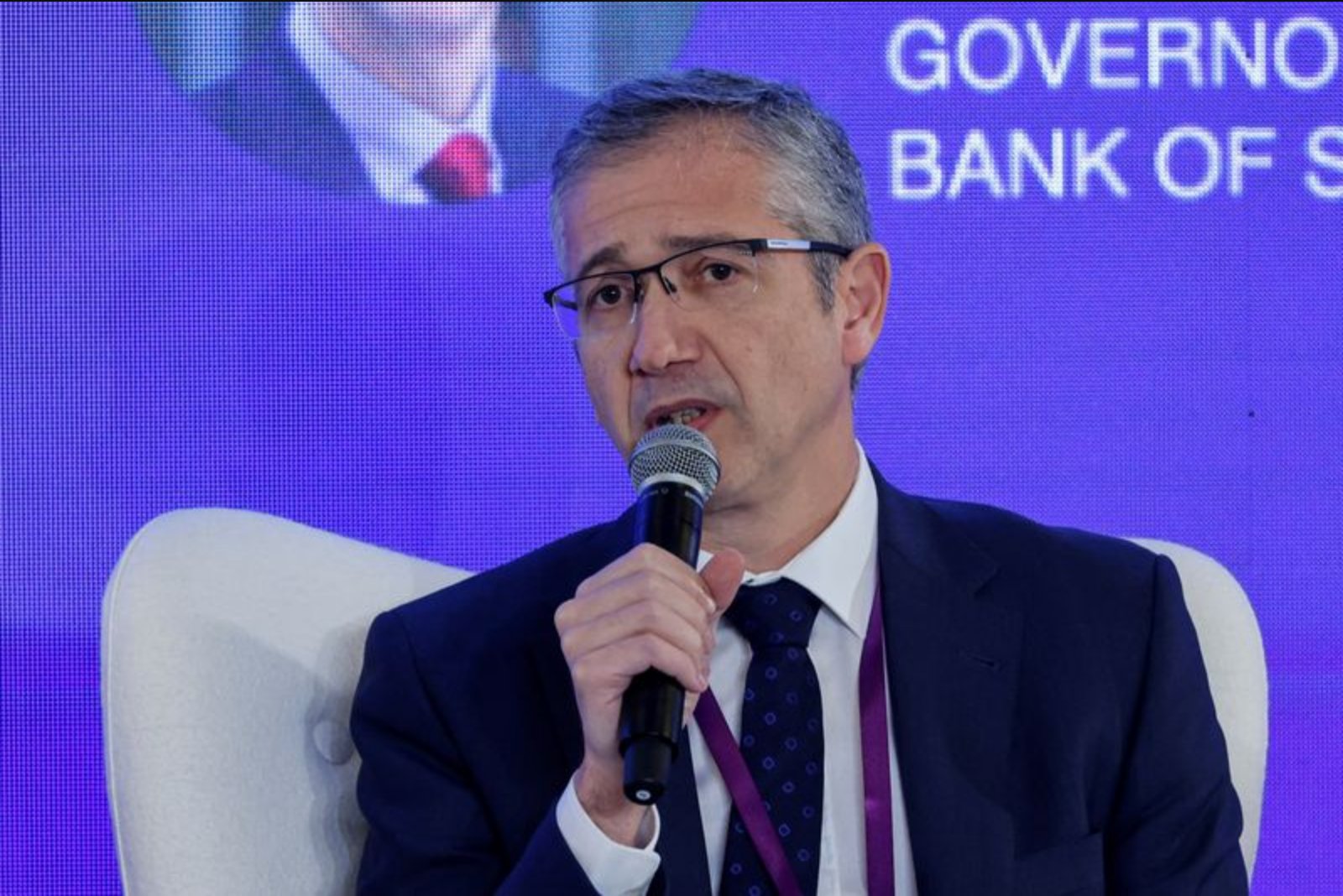
The head of the Bank for International Settlements renewed a call for international coordination on the regulation of stablecoins, saying consistent global rules are essential to avoid major fragmentation of markets.
Speaking in Japan, BIS General Manager Pablo Hernandez de Cos outlined a range of risks that, in his view, make cross-border cooperation on stablecoins a matter of "critical importance." He warned that the potential of stablecoins to undermine monetary and fiscal policy, trigger financial market stress and impede efforts to combat illicit financing meant that inconsistent approaches across jurisdictions would be dangerous.
"Divergent regulatory frameworks for stablecoins across jurisdictions could lead to severe market fragmentation or enable harmful regulatory arbitrage," de Cos warned, describing regulatory arbitrage as the tendency for firms to seek out the least onerous rules.
De Cos's remarks come amid an international push to build stablecoin rules. He pointed out that the United States and several other major economies are working to develop regulatory frameworks, while jurisdictions such as Abu Dhabi and Singapore already have frameworks in place. Bank of England Governor Andrew Bailey, who chairs the Financial Stability Board, has also cautioned that progress on international standards for stablecoins has slowed over the past year.
The BIS chief highlighted the risk of "runs" on stablecoins and said such events could spark market stress. However, he added that this risk could be "much reduced" if stablecoin issuers were able to access arrangements similar to deposit insurance or central bank lending facilities.
De Cos also characterized features of the largest stablecoins that, in his view, make them resemble securities more than money. He cited the practices of Tether and Circle, the issuers of the world's two largest stablecoins, which together account for roughly 85% of the $315 billion in stablecoin circulation globally. He pointed to "redemption frictions" that frequently push stablecoins away from their pegged value.
"In this respect, they currently operate more like exchange-traded funds than like money," he said, highlighting that redemption mechanics can create deviations from par.
On the specific policy question of whether stablecoins should be permitted to pay interest, de Cos weighed in on the implications for the banking system. He said that shifts from bank deposits to stablecoins might be "less pronounced if stablecoin holdings remain unremunerated and the opportunity cost of holding them is high, such as during periods of high interest rates," and added: "And if prohibitions on paying interest on stablecoins can be enforced."
His comments underscore ongoing policy debates about how to balance innovation in digital payments with safeguards for monetary control, financial stability and anti-money-laundering efforts.