
Global market sentiment has tilted toward the expectation that the U.S.-Iran conflict, now in its 45th day, will be settled through negotiation by the end of April. Prices and investor positioning have moved to reflect that assumption. Yet a recent research note from Bernstein urges caution, warning that the disruption to energy flows is unparalleled and that the true scale of the logistics challenge is likely underappreciated.
A stalled corridor and the scale of the disruption
Shipping through the Strait of Hormuz has effectively ceased, cutting off a waterway that normally carries about 15 million barrels per day, or roughly 15% of global liquids demand. The stoppage pushed Brent crude as high as $120 per barrel at one point, though prices have since retreated to below $100 a barrel as markets increasingly bet on a short-lived interruption and a diplomatic outcome.
That pullback in prices, Bernstein notes, appears to reflect an assumption that the supply gap is temporary. But the research house argues that the physical and administrative obstacles to restarting flows are substantial, and will not be solved merely by a political ceasefire.
Logistical bottlenecks and stranded tonnage
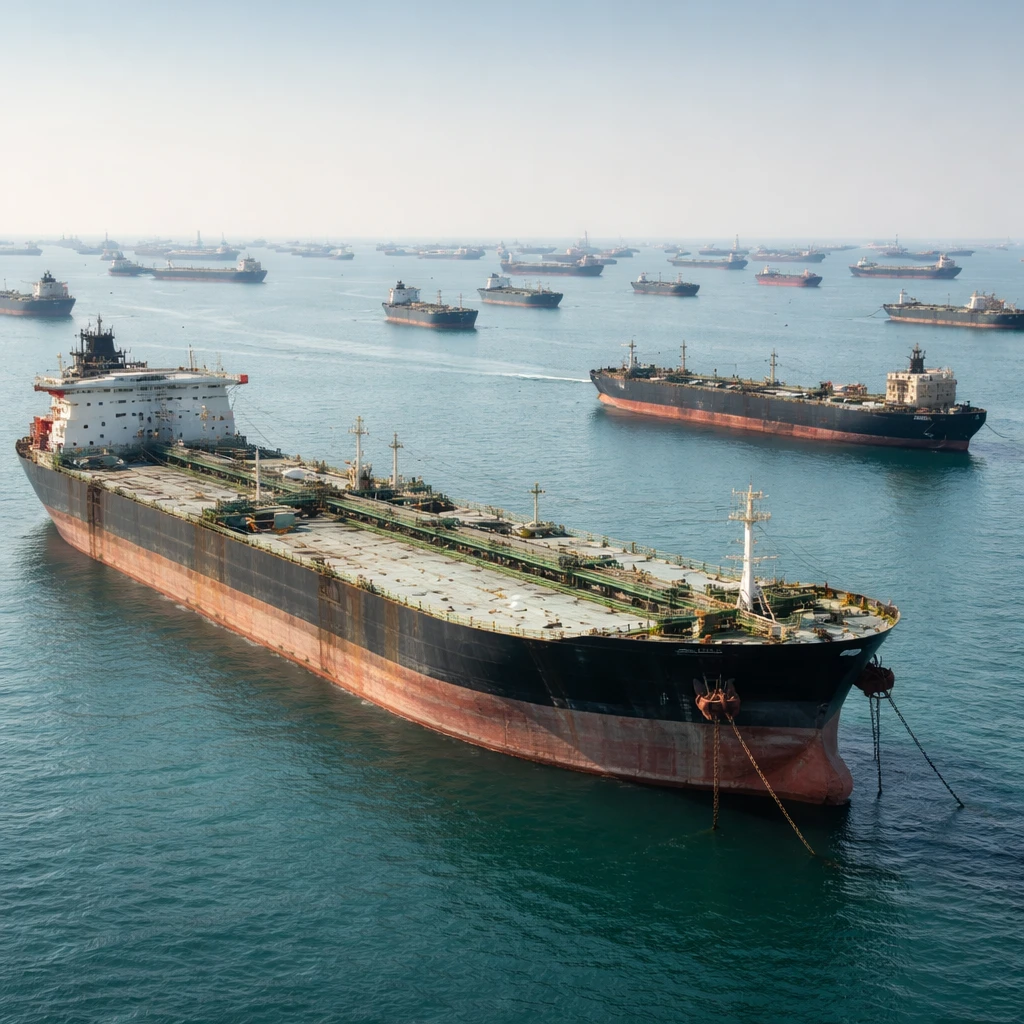
More than 750 vessels are currently stranded in the Arabian Gulf, including 138 laden oil tankers. Bernstein highlights that bringing these ships back into regular transit will require more than restored political calm - it will demand the establishment of new, non-punitive shipping protocols and the revision of insurance arrangements that currently inhibit transit.
Since the onset of the conflict, physical crude supply has been reduced by about 650 million barrels. That shortfall is felt unevenly: Asia-Pacific markets, which rely heavily on Middle Eastern crude and typically do not maintain the same level of strategic reserve buffers held by some Western countries, are especially vulnerable to prolonged tightness in supply.
What will signal normalization?
Bernstein advises that the metrics investors should watch are functional changes to international shipping insurance and the signing and implementation of transit agreements that remove punitive risk premia. Those elements, the note argues, will be the practical indicators of when global energy markets - and Asia-Pacific energy security in particular - can begin to return to normal operations.
Until such protocols are agreed and operationalized, the apparent "cheapness" in energy assets may be temporary. Market pricing that assumes a quick diplomatic fix may not be capturing the time-intensive administrative and logistical work needed to restore full flows through the Strait of Hormuz.
Bottom line
Diplomacy could pave the way to a settlement by the end of April, but Bernstein stresses that reopening the Strait of Hormuz for routine oil shipments will require extended coordination on shipping and insurance. The Asia-Pacific region, given its heavy import dependence and more limited strategic reserves, faces heightened exposure until those arrangements are in place.