
Key takeaway - The acting U.S. attorney general told Congress he could not prevent funds from a Trump-era settlement from potentially reaching individuals who assaulted law enforcement on Jan. 6, 2021, and said the payouts will be managed by a commission with broad discretion.
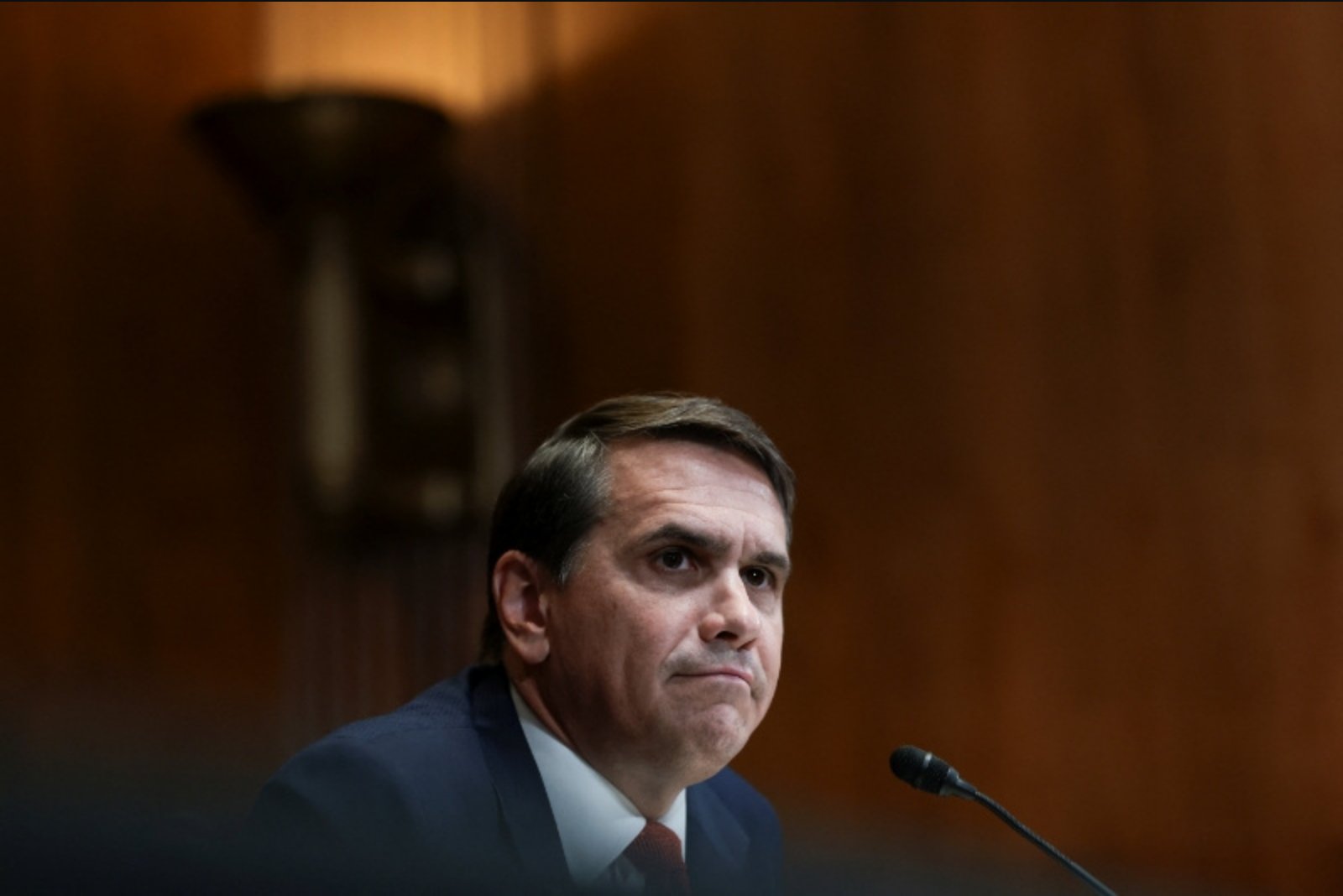
Acting Attorney General Todd Blanche faced pointed questioning from Democratic senators on Tuesday regarding a recent Justice Department arrangement that created a nearly $1.8 billion pool to compensate people who claim they were victims of governmental "weaponization". In his first congressional testimony since taking the department's helm following the dismissal of Pam Bondi, Blanche said he could not categorically rule out payments to people who assaulted police officers during events including the January 6, 2021, Capitol riot.
Blanche told lawmakers he also could not promise that contributors to the settlement pool would be prevented from directing any of the funds to donors of President Donald Trump's campaign. The department's action came after a settlement of a suit Mr. Trump filed against his own government over alleged mishandling of his tax records, resulting in a compensation fund intended for alleged victims of political "weaponization or lawfare" by federal authorities.
The settlement establishes a five-member commission to manage the pool of nearly $1.8 billion. Blanche said he will directly appoint four of those commissioners and maintained that the panel will operate independently. He rejected the characterization that the president had "set up" the fund, asserting that the commission will make determinations on claims without presidential direction.
On the standard for eligibility, Blanche described the test as broad, encompassing those who assert they experienced "weaponization." He emphasized that the fund is not limited to people associated with a single political party or to defendants from January 6. He also compared the arrangement to what he described as a comparable fund overseen by the Justice Department under the Obama administration, noting that the earlier arrangement had been approved by a federal judge.
"The president did not direct me to do anything," Blanche said during the hearing, later reiterating that anyone could apply for compensation and that the commission would consider claims from across the political spectrum.
Democratic Senator Patty Murray of Washington criticized the settlement and Blanche's handling of the matter, saying, "What we're talking about is nothing short of the sitting president of the United States looting from the Treasury for his own gain." Murray questioned whether the mechanism was appropriate for distributing government settlement funds.
The department's broader record since the start of the administration was also raised by Democrats, who cited efforts to prosecute the president's perceived political enemies, to drop charges against his allies, and a reduction of about 8,500 staff from the department's ranks.
Blanche's appearance before the panel stretched more than two hours and at times grew tense as senators pressed him on the settlement, the department's institutional changes, and its handling of high-profile investigations. Republicans on the committee generally defended Blanche, praising moves they said reversed what they viewed as weak enforcement under the prior administration and applauding his efforts to strengthen public safety.
Senator Susan Collins, a Republican from Maine, inquired about the mechanics of disbursing the funds. Blanche said the commission will operate independently and provide quarterly reports to the attorney general; further details would be made available to lawmakers. He confirmed that any individual could submit an application to be considered for compensation.
Blanche noted that the money would be drawn from a judgment fund typically used to satisfy government settlements. He also faced questions regarding the department's handling of the Jeffrey Epstein investigation and, in that context, pledged he would not recommend a pardon for Ghislaine Maxwell.
Process and oversight
Under the settlement, the commission will determine eligibility and awards; Blanche will name four of the five members and said the body will issue periodic reports. Beyond that structure, Blanche declined to preclude awards to persons who had been involved in violent confrontations with law enforcement, stressing the commission's discretion and the broadly written eligibility standard.
The hearing highlighted partisan divides about the Justice Department's priorities and raised questions about safeguards and transparency around distribution of a large federal settlement fund.