
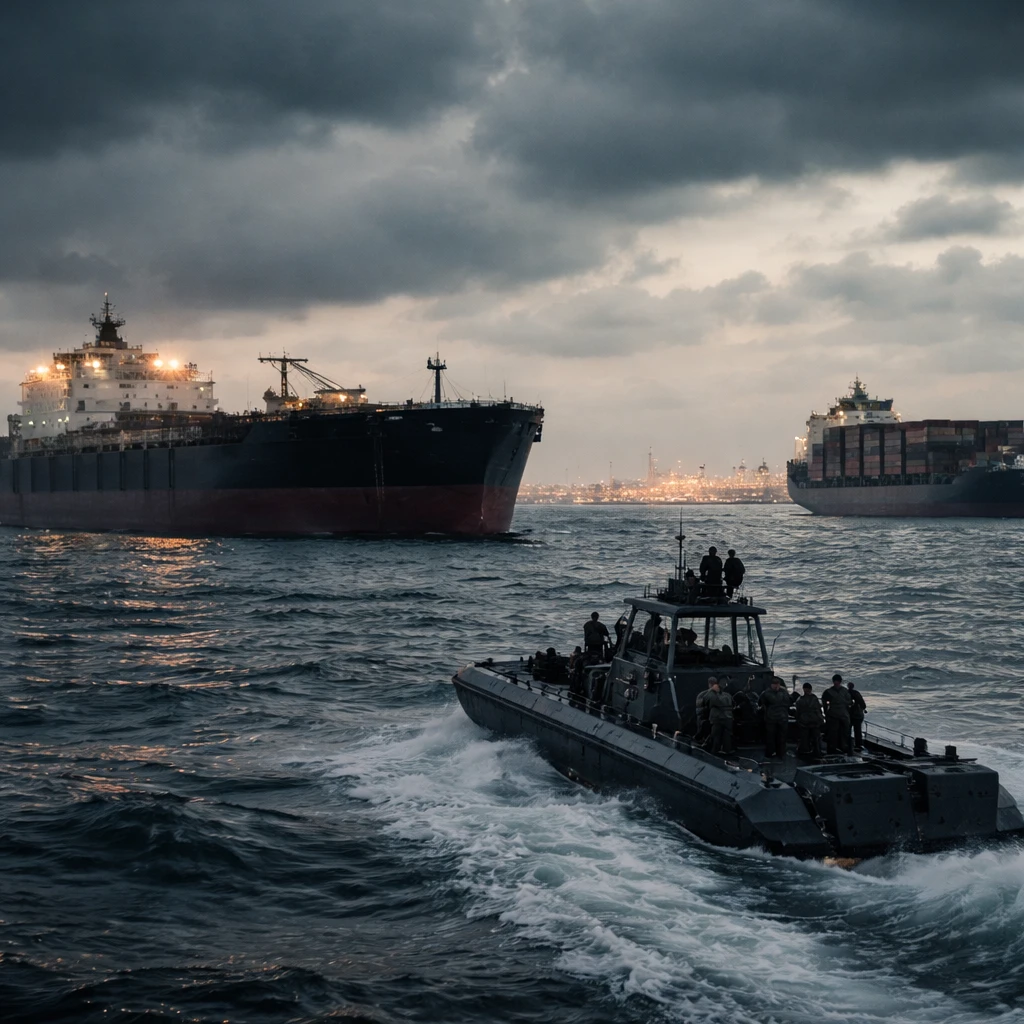
European natural gas markets were volatile on Wednesday as traders digested competing developments in the Middle East - claims from Iran that its forces had seized two vessels near the Strait of Hormuz, and a separate announcement that the U.S. had agreed to extend a ceasefire with Tehran.
By 09:11 ET (13:11 GMT), data from the Intercontinental Exchange showed the Dutch front-month contract at the TTF hub up 1.4% at 42.48 euros per megawatt hour (MWh), after earlier falling during the session. Prices remain sensitive to newsflow out of the Gulf as participants weigh supply and shipping risks.
State media in Iran reported that the paramilitary Islamic Revolutionary Guards Corps had attacked a ship in the strait and said the vessel was "stranded" on the Iranian coast. Separately, U.K. Maritime Operation, a shipping monitor, said a container ship in the strait had been attacked shortly after a boat belonging to the Revolutionary Guards struck another vessel in the area. Iranian state media claimed the Revolutionary Guards seized both ships.
The events come against the backdrop of a U.S. blockade of Iranian ports and coastline, which President Trump has said will remain in place. He asserted that Iran is "collapsing financially!" and said he wants the strait to be "opened immediately" because Tehran is "Starving for cash." The blockade has drawn description from Iran’s foreign minister characterizing it as an "act of war," a framing that has added to geopolitical tensions affecting energy flows.
Tanker shipping through the Strait of Hormuz - a crucial route off Iran’s southern coast through which roughly a fifth of the world's oil moves - has been described as all but closed since the start of the war in late February. That restriction, together with reported strikes damaging natural gas production facilities in the Middle East - particularly in Qatar - has kept benchmark natural gas prices above levels seen before the start of the joint U.S.-Israeli assault on Iran.
On the diplomatic front, President Trump said on social media that he had agreed to the ceasefire extension at Pakistan's request, citing Pakistan's role as a frequent mediator between the U.S. and Iran. He added that the "Attack on the Country of Iran" will be held off "until such time as their leaders and representatives can come up with a unified proposal [...] and discussions are concluded, one way or the other."
Iran’s foreign ministry spokesperson acknowledged the ceasefire extension in comments carried by Iranian state television. The combination of continued maritime incidents, an ongoing blockade and the ceasefire extension produced a choppy trading environment for European gas markets as participants reassess near-term supply risk and shipping disruptions.
Summary
European natural gas prices rose modestly after reports that Iran’s Revolutionary Guards had seized two ships near the Strait of Hormuz, even as the U.S. announced an extension to a ceasefire with Tehran. The TTF front-month contract climbed to 42.48 euros/MWh by 09:11 ET (13:11 GMT). Disrupted tanker traffic and damage to regional gas facilities, especially in Qatar, continue to underpin elevated benchmark gas prices compared with levels before recent military actions.
Key points
- TTF front-month gas rose 1.4% to 42.48 euros/MWh by 09:11 ET (13:11 GMT) - market impact: energy/commodities and European utilities.
- Iranian state media reported the Islamic Revolutionary Guards Corps attacked and seized two vessels near the Strait of Hormuz - market impact: tanker shipping and global oil logistics.
- Disruptions to tanker traffic and damage to gas production facilities in the Middle East, particularly Qatar, are keeping benchmark natural gas prices above pre-conflict levels - market impact: energy supply chains and downstream industrial users.
Risks and uncertainties
- Continued maritime incidents in the Strait of Hormuz could further disrupt tanker shipping - affected sectors: oil and gas logistics, refineries, and shipping insurers.
- Ongoing physical damage to natural gas infrastructure in the Middle East, including Qatar, may sustain elevated European gas prices - affected sectors: European energy markets and industrial consumers.
- Persistence of the U.S. blockade of Iranian ports and coastline may keep geopolitical risk elevated for energy flows - affected sectors: upstream producers and commodity traders.