
Newly disclosed contract language reveals that the White House and federal partners structured the financing and oversight of a planned ballroom so that hundreds of millions in private donations can be contributed without mandatory public identification of donors, and with a narrower set of conflict-of-interest reviews than some critics expected.
The agreement, executed in October by the White House, the National Park Service and the Trust for the National Mall, sets out the legal and financial terms for a project estimated at roughly $400 million to substantially expand the White House complex. The document authorizes fundraising practices that permit contributors to remain anonymous and contains provisions that restrict the disclosure of donor names, according to the contract.
President Donald Trump has presented the ballroom as a signature element of a potential second term, characterizing the effort as a privately funded upgrade rather than one paid for by taxpayers. The scale and profile of the undertaking - and the way the administration has managed donor disclosure and ethics safeguards - have drawn increasing scrutiny from legal experts and watchdog organizations, who say the plan raises questions about transparency, the potential influence of contributors, and whether long-standing norms governing ethics and oversight were followed.
The watchdog group Public Citizen secured the contract through litigation after suing the National Park Service and the Interior Department to obtain records requested under public disclosure rules, and subsequently provided the document to media outlets. “The Trump Administration’s failure to disclose this contract was flatly unlawful," said Wendy Liu, Public Citizen attorney and lead counsel on the lawsuit. "The American people are entitled to transparency over this multi-million-dollar project, and this win gets us a bit closer to knowing the truth.”
When asked about the donor list and the project generally, a White House spokesman, David Ingle, said that the ballroom’s donors include many companies and individuals “contributing to make the People’s House better for generations to come" and added: "The same critics who are alleging fake conflicts of interest would also complain if American taxpayers were footing the bill for these long-overdue renovations."
Under the terms detailed in the contract, the Park Service and Interior Department are required to follow a review process for potential conflicts of interest. But the document does not impose the same disclosure obligations or review requirements on the White House or the president, a distinction that has fed concerns among critics about uneven application of ethics safeguards.
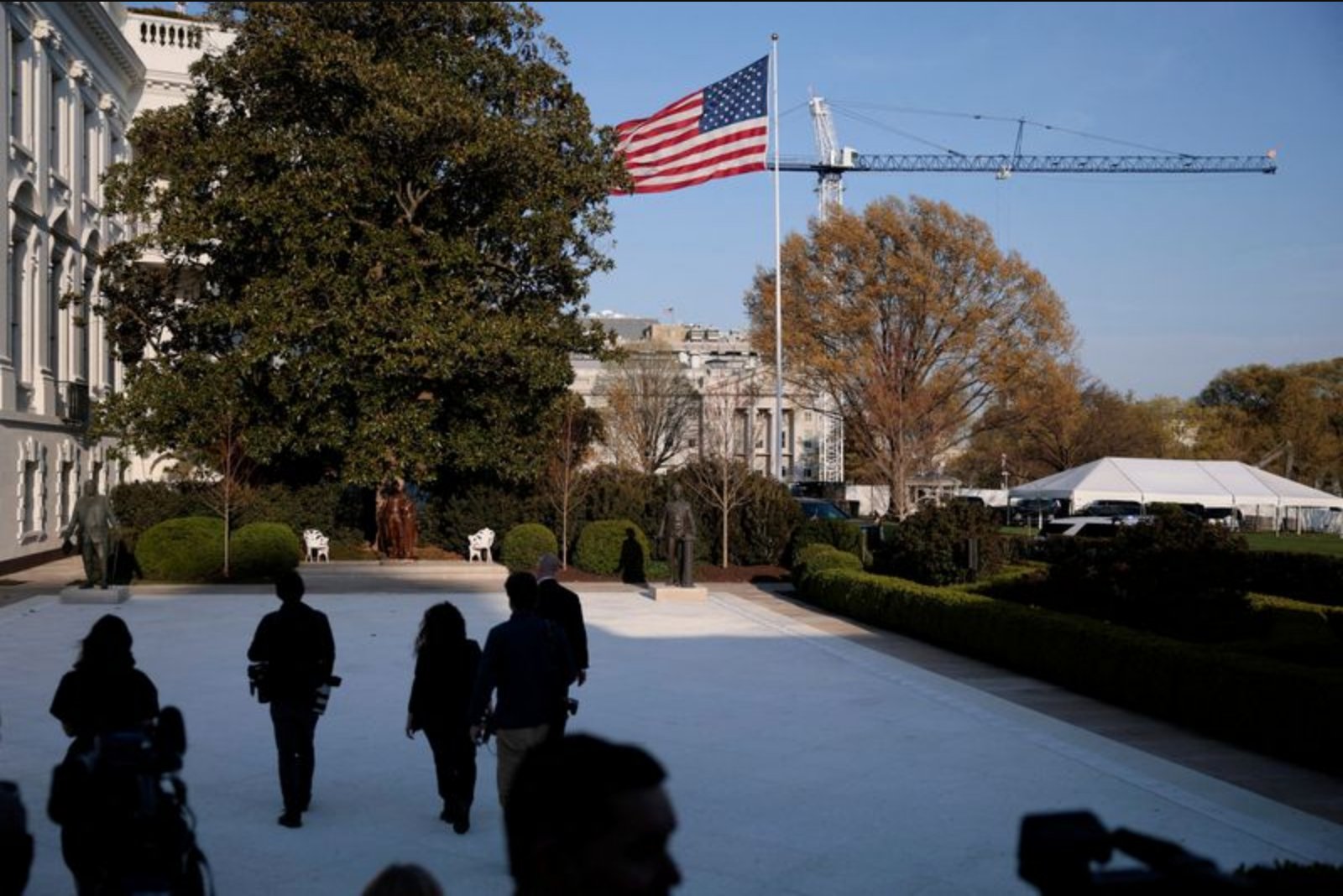
The planned ballroom would be a large addition to the White House campus - administration officials describe a structure of about 90,000 square feet, intended to host sizeable state events and receptions that the administration says are currently held in temporary tents on the South Lawn. Plans envision a multi-story facility with service areas, security upgrades and integrated access to the existing executive residence grounds, substantially increasing space for formal dinners, diplomatic gatherings and official ceremonies.
The administration has reported that roughly $300 million of the project’s cost has already been raised. After securing the right to disclose their contributions, dozens of donors were publicly identified by the White House; among those named are Amazon, Lockheed Martin, Palantir Technologies and Google. The contract notes that these disclosed donors collectively hold billions of dollars in federal contracts.
The project has also become the subject of litigation. A legal challenge brought by the National Trust for Historic Preservation contends the administration did not obtain the proper approvals before commencing demolition of the East Wing and launching the broader ballroom effort. A U.S. appeals court recently allowed construction to continue while that legal challenge proceeds.
The appeals court action temporarily blocked a decision issued a day earlier by a U.S. district judge in Washington, who had ruled that the ballroom project was unlawful without explicit approval from the U.S. Congress. The case therefore remains active in the courts, and the judiciary’s next moves will determine whether construction can proceed or must be halted pending further proceedings.
The contract and the surrounding dispute underscore tensions between private fundraising for public property enhancements and the expectations of transparency and consistent ethics oversight that critics say should accompany changes to federal property and presidential facilities.