
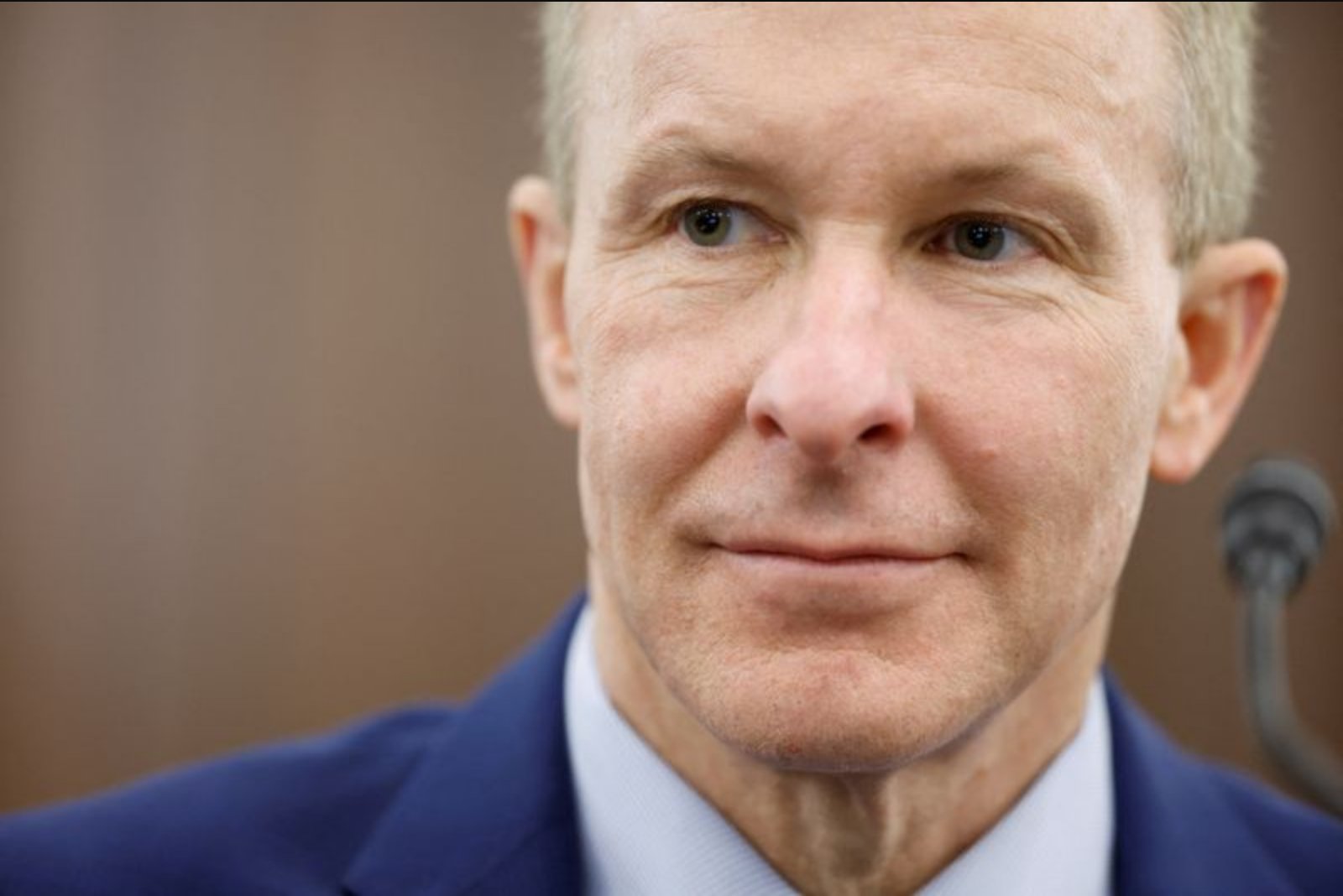
United Airlines Chief Executive Scott Kirby on Wednesday sought to tamp down media-driven speculation that he had advocated a merger with American Airlines, saying he would not add to press reports about consolidation at this time.
On the airline's earnings call, Kirby said: "We’ve seen a lot of press coverage regarding consolidation rumors. We’ve not commented specifically on those reports and aren’t going to start today." He added that comments he has made in the past about industry structure and competition are long-standing views, and that recent commentary is being read differently because of the merger reports.
People familiar with the matter said Kirby raised the possibility of a tie-up with American during a meeting in late February with U.S. President Donald Trump that had been scheduled to discuss the future of Washington's Dulles airport. American Airlines has publicly said it is not interested in pursuing such a deal.
Political and regulatory reaction
U.S. officials have not given the proposal a warm reception. In an interview, U.S. Transportation Secretary Sean Duffy described the idea as "interesting" but said United would need to make a substantially stronger case for why consumers would benefit. President Trump has stated his opposition to a potential merger between the two carriers.
Kirby's rationale and emphasis
Kirby framed his perspective on consolidation in terms of long-term competitive dynamics in global aviation. He argued that U.S. carriers face structural disadvantages compared with large airlines in the Middle East and Asia, and referred to what he called a "big global trade deficit" in international aviation. He did not elaborate on specific remedies and cautioned that any proposed changes could carry complications.
Rather than pointing to consolidation as the source of United's recent progress, Kirby emphasized that the airline's growth has come from attracting customers across multiple segments. He highlighted investments in onboard products and technology as contributors to the company's strong performance amid a sharp rise in fuel costs.
Kirby also stressed the importance of partnership networks. He said United's global footprint is bolstered by its membership in the Star Alliance, which enables service to destinations that the carrier could not economically operate on its own. On the prospect of opening an overseas hub, he said: "I think it’s extremely unlikely that we’ll open a foreign hub anywhere."
Outlook and context
Kirby's remarks sought to reframe earlier statements as enduring industry observations rather than new proposals. With both political leaders and transport regulators signaling skepticism, any suggestion of consolidation between two large U.S. carriers would face significant scrutiny, and United appears to be emphasizing organic growth and alliance-based reach over building its own foreign hubs.