
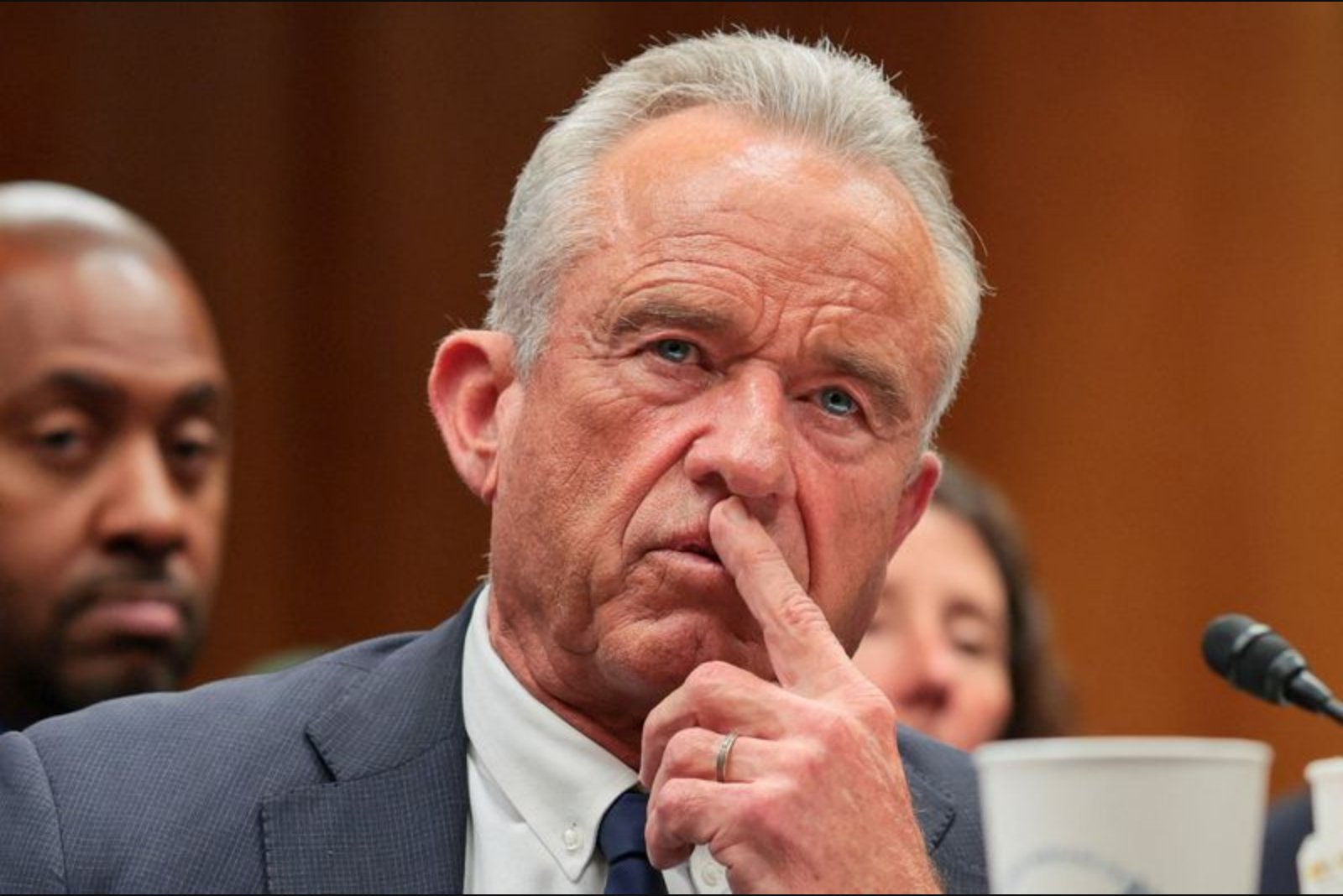
At a Senate hearing on the fiscal 2027 budget for the Department of Health and Human Services, Secretary Robert F. Kennedy Jr. made a point of distancing himself from the Food and Drug Administration's decision not to approve Replimune's cancer therapy RP1.
Kennedy said the approval question was a matter for the FDA and that he had no role in the agency's determination. He attributed responsibility to FDA Commissioner Dr. Marty Makary, telling lawmakers that the agency and its panels had reached the decision independently.
"I had nothing to do with this decision," Kennedy said, adding that he had been told by Marty Makary that every panel reviewing the drug had voted against it because "it does not appear to work."
The FDA earlier this month declined to approve RP1 for advanced skin cancer, raising concerns about Replimune's reliance on results from a single-arm study without a control group. In its rejection letter, the agency said the company must submit evidence from a well-controlled trial that demonstrates adequate effectiveness.
The regulatory setback has had a pronounced impact on Replimune's market value. Shares of the company have sunk almost 70% since the agency's rejection of RP1 - a decision that marks the second time in two years the FDA has declined approval for the same therapy. Despite that sustained decline, the stock rose approximately 15% on the Wednesday following publication of an opinion piece that challenged Kennedy's characterization of events.
The Wall Street Journal opinion piece, published late Tuesday, questioned Kennedy's comments and placed blame on the FDA's drug chief Vinay Prasad, who the piece said had faced prior criticism for his regulatory decisions and who had indicated last month that he would be leaving the agency in April. The op-ed included perspectives from cancer physicians engaged in trials of RP1 who described the drug as effective.
The Journal piece also criticized Kennedy's earlier statement on Capitol Hill that Makary "made the correct decision to not approve that drug," arguing that denying patients access to a potentially life-saving medicine is unacceptable and calling for a change in FDA leadership if Makary did not reverse course.
Replimune, in response to the April 10 rejection, publicly stated that it disagreed with the FDA's assessment that the data set was inadequate for approval. The company said the agency's stance appeared to conflict with positions communicated at a September meeting.
Replimune did not immediately reply to requests for comment on the matter. A spokesperson for HHS, Andrew Nixon, reiterated the agency's stance that FDA career scientists and senior leadership in the Center for Biologics Evaluation and Research had unanimously concluded that the current evidence for RP1 did not meet the evidentiary standards required for regulatory approval.
The exchange underscores a contentious regulatory and public debate over the sufficiency of trial designs and evidence required to support approval of oncology therapies, and it has produced notable volatility in the market valuation of the developer involved.