
World April 22, 2026 12:36 PM

Dutch Prosecutors Seek 30-Year Term for Man Accused of Torture in Syria

Case marks first Dutch prosecution of alleged pro-government Syrian atrocity and first domestic charge listing sexual violence as crimes against humanity

By Derek Hwang
Dutch Prosecutors Seek 30-Year Term for Man Accused of Torture in Syria

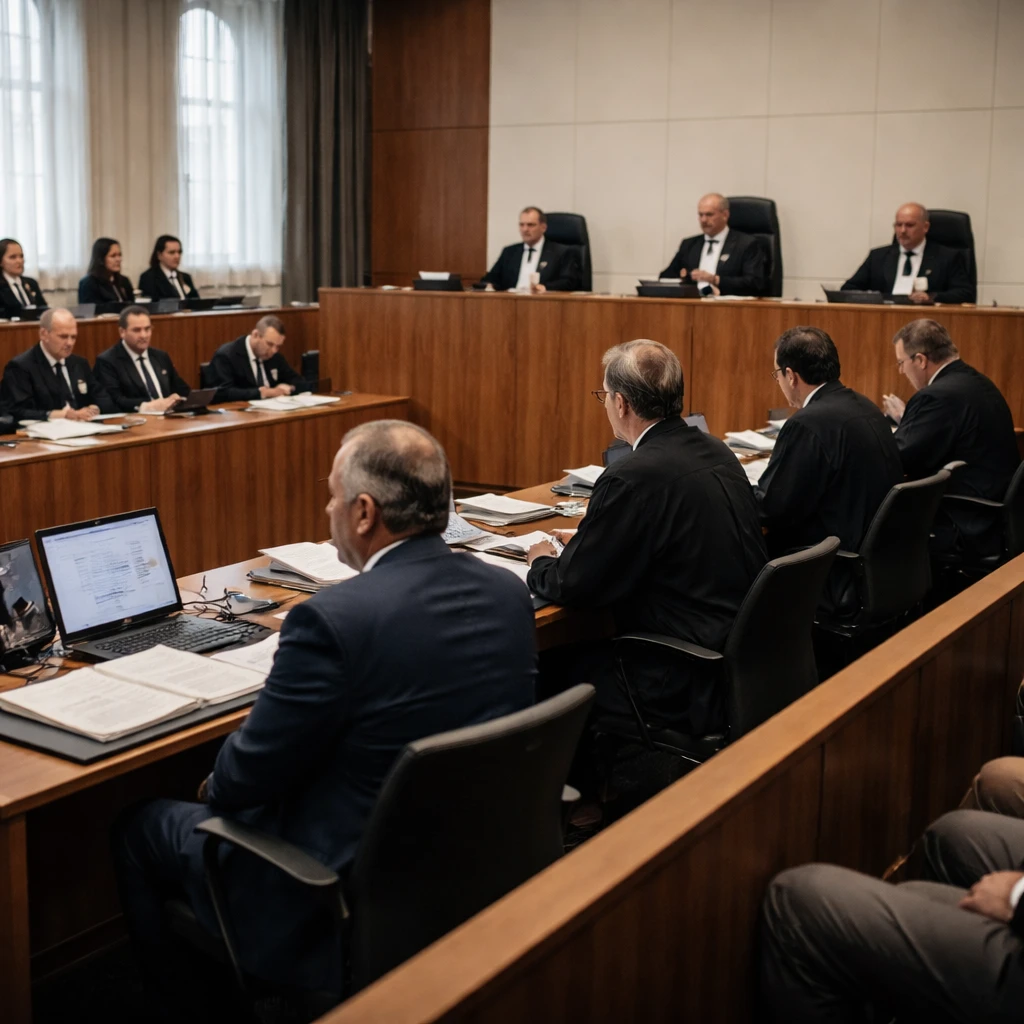
Dutch prosecutors have asked for a 30-year prison term for a 58-year-old Syrian national, Rafik A., accused of committing torture, sexual violence and rape against nine people in 2013 and 2014 while serving in a pro-government militia. The trial in The Hague is the first in the Netherlands to address alleged atrocities by pro-Assad forces in Syria and the first time Dutch authorities have charged sexual violence as a crime against humanity. The defendant denies the accusations. Closing arguments are scheduled for Thursday and a verdict is expected on June 9.

Key Points

  • Prosecutors requested a 30-year sentence for Rafik A., charged with 25 counts including torture, sexual violence and rape as crimes against humanity tied to incidents in 2013 and 2014 - impacts legal and human rights sectors.
  • This trial is the first in the Netherlands addressing alleged atrocity crimes by Syria's pro-government forces and the first Dutch prosecution to charge sexual violence as a crime against humanity - implications for international law and judicial precedent.
  • Defendant arrested in the Netherlands in 2023 after living there as an asylum seeker; universal jurisdiction under Dutch law enabled the case to proceed - relevant to immigration, legal, and diplomatic sectors.

Prosecutors in the Netherlands on Wednesday requested a 30-year prison sentence for a 58-year-old Syrian man, identified in court records as Rafik A., who stands accused of serious human rights violations while serving with a pro-government militia in Syria.

Rafik A. faces 25 charges in total, including counts of torture, sexual violence and rape as crimes against humanity. The charges relate to alleged abuses committed against nine victims during 2013 and 2014. The defendant has repeatedly denied any participation in the crimes alleged by prosecutors.

The case is notable for two firsts in the Dutch legal system. It is the first prosecution in the Netherlands addressing alleged atrocity crimes committed in Syria by forces that supported the government of former president Bashar al-Assad. It is also the first time Dutch prosecutors have included sexual violence among charges brought as crimes against humanity.

Witness testimony at the trial described severe physical and psychological harm attributed to the defendant. One survivor said the experience left enduring trauma, recounting that he entered detention as a child and later emerged deeply affected. That witness told the court: "Not only did he tear my body apart, but he trampled on my soul. He was the worst nightmare of my life."

According to prosecutors, Rafik A. led the interrogation unit of the National Defence Forces (NDF) in Salamiyah during 2013 and 2014. The NDF is identified in court documents as a militia that fought on the side of the Assad government, which was removed from power in December 2024.

Rafik A. was arrested in the Netherlands in 2023. Court records state he had lived for several years in the country as an asylum seeker prior to his arrest. Dutch law permits prosecution of foreign nationals for crimes committed abroad under the principle of universal jurisdiction when either the alleged perpetrators or some of the victims are present in the Netherlands.

Legal teams for both the prosecution and the defence are due to present their closing arguments on Thursday. The court has scheduled a verdict for June 9.

Other European jurisdictions have also pursued cases related to alleged abuses by officials from the Assad era, with prosecutions brought in countries including Germany.

Risks

  • Outcome uncertainty: The verdict expected on June 9 depends on closing arguments and judicial deliberation; legal sector and human rights monitoring are directly affected.
  • Evidentiary challenges: The case relies on testimony from survivors and historical events from 2013-2014; prosecutions of alleged war crimes can face difficulties in corroboration, affecting future international cases.
  • Political and diplomatic sensitivities: Prosecutions tied to the Assad-era and foreign nationals living in Europe may carry diplomatic implications for relations and asylum policy, with potential effects on immigration and legal frameworks.

More from World

U.S. Condemns African Airspace Denials That Forced Taiwan President to Cancel Trip Apr 22, 2026 Kennedy Agrees to Turn Over Contractor Contract to Senators; Says Protocols Not Yet Written Apr 22, 2026 Six Ex-Security Officials Plead Not Guilty as Abuja Court Delays Treason Trial Apr 22, 2026 Prosecutors Say Weinstein Used Power to Assault Women; Defense Portrays Encounter as Consensual Apr 22, 2026 Deported South American Migrants Say They Face Pressure to Return Home After Transfer to Congo Apr 22, 2026