
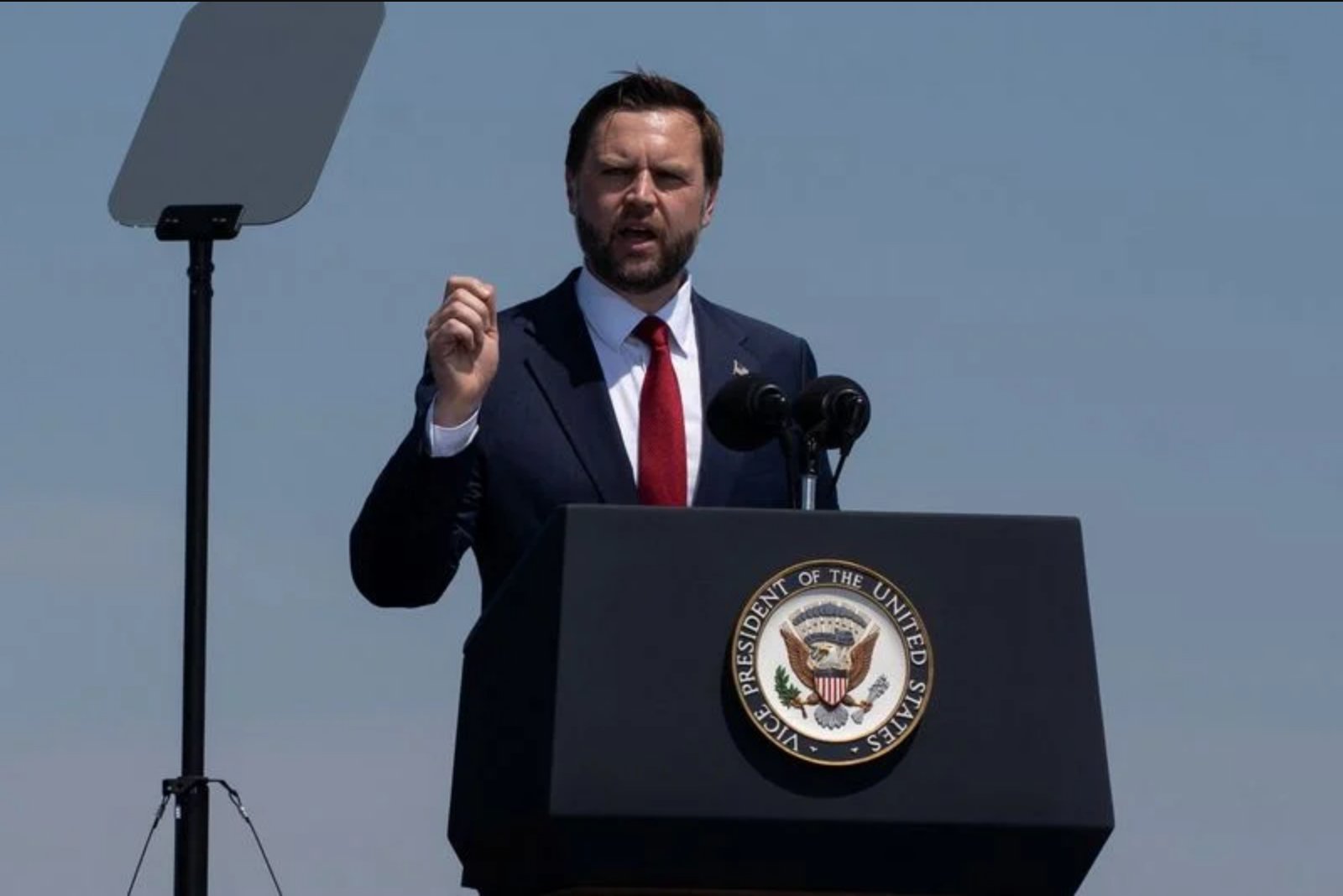
LONDON, July 4 - U.S. Vice President JD Vance said in an interview with the Sunday Times that Britain has been "failed by its leadership for a long time," and he expressed hope that the country’s next prime minister can bring the structural change many voters appear to be seeking after a period of political turbulence.
Vance highlighted the rapid turnover at the head of government as symptomatic of a deeper problem in British politics. "What I see is six prime ministers in the last few years," he told the newspaper, adding: "What that says to me is that something is very broken about British politics and that people are really crying out for significant structural change."
Prime Minister Keir Starmer announced last month he would step down after two years in office, setting the stage for Britain’s seventh prime minister in a decade. Lawmaker Andy Burnham has emerged as the sole candidate to replace Starmer and is widely expected to succeed him.
On Burnham, Vance said he did not know much about the candidate personally but voiced the hope that Burnham - or another incoming prime minister - would be able to "deliver it," referring to the structural reforms he described as necessary. He added that "whoever the prime minister is figures out how to get Britain back on track."
Vance, who has personal ties to Britain through his wife Usha, who studied at the University of Cambridge, described the country as an "amazing place" with the "most amazing people in the world" outside the United States. He reiterated that Britain remains one of Washington’s closest allies and said that the U.S. will work with the next prime minister "as successfully as we can."
The vice president’s remarks came against a backdrop of what the interview described as a sometimes uneasy but largely functional relationship between Prime Minister Starmer and U.S. President Donald Trump. The two leaders repeatedly emphasized the importance of the U.S.-UK "special relationship" even as they disagreed on issues including Iran, Gaza and Ukraine, and while they secured trade and investment agreements between the two countries.
Reacting to Starmer’s resignation last month, President Trump called Starmer a "lovely man" and a "sort of friend of mine," but said he had failed on immigration and energy policy and added: "I wish him well." Trump has described Burnham as "extremely liberal" and suggested the likely next prime minister would be unlikely to support further North Sea oil and gas development - a policy area that Trump had been urging Starmer to pursue.
Vance emphasized continuity in the U.S. approach, stating that "whoever is the prime minister, we’re going to work with them and work with them as successfully as we can." Beyond that, his remarks framed the recent run of leaders and the transition as a signal that British voters are seeking meaningful change at a structural level.
Clear summary
JD Vance told the Sunday Times that Britain has been let down by its leadership and voiced hope that the next prime minister - likely Andy Burnham - can deliver the structural reforms voters want. He reaffirmed the close U.S.-UK relationship and said Washington will cooperate with whoever leads Britain, while noting past tensions and policy disagreements between the two countries' leaders.