
Overview
A photograph that surfaced on social media depicts a blindfolded man from Gaza, stripped down to his underwear and bound face down on a cot while in Israeli custody. Israel has stated the image is authentic and said the treatment shown "does not align" with its military’s values, but it has not released the detainee's name or the site of his detention. The absence of official identification has deepened the anguish of two Palestinian mothers who independently believe the man is their son.
What the image shows
In the screenshot of an Instagram post that appears to have been deleted, a man lies face down on a cot. His hands are tied behind his back and his right foot is bound to the bottom corner of the cot. A wooden rod is affixed to his back, extending from the right foot up toward the neck. His face is largely obscured and Hebrew words for "good morning" are written over the photo in the post.
Official response
Israel's military said it had identified the incident and that an inquiry was under way, adding that "those involved will be dealt with in accordance with the findings." A military spokesperson declined to disclose the name of the man or the location where he is being held. The military also said the image is genuine and that the conduct pictured "does not align" with its values.
Claims by two mothers
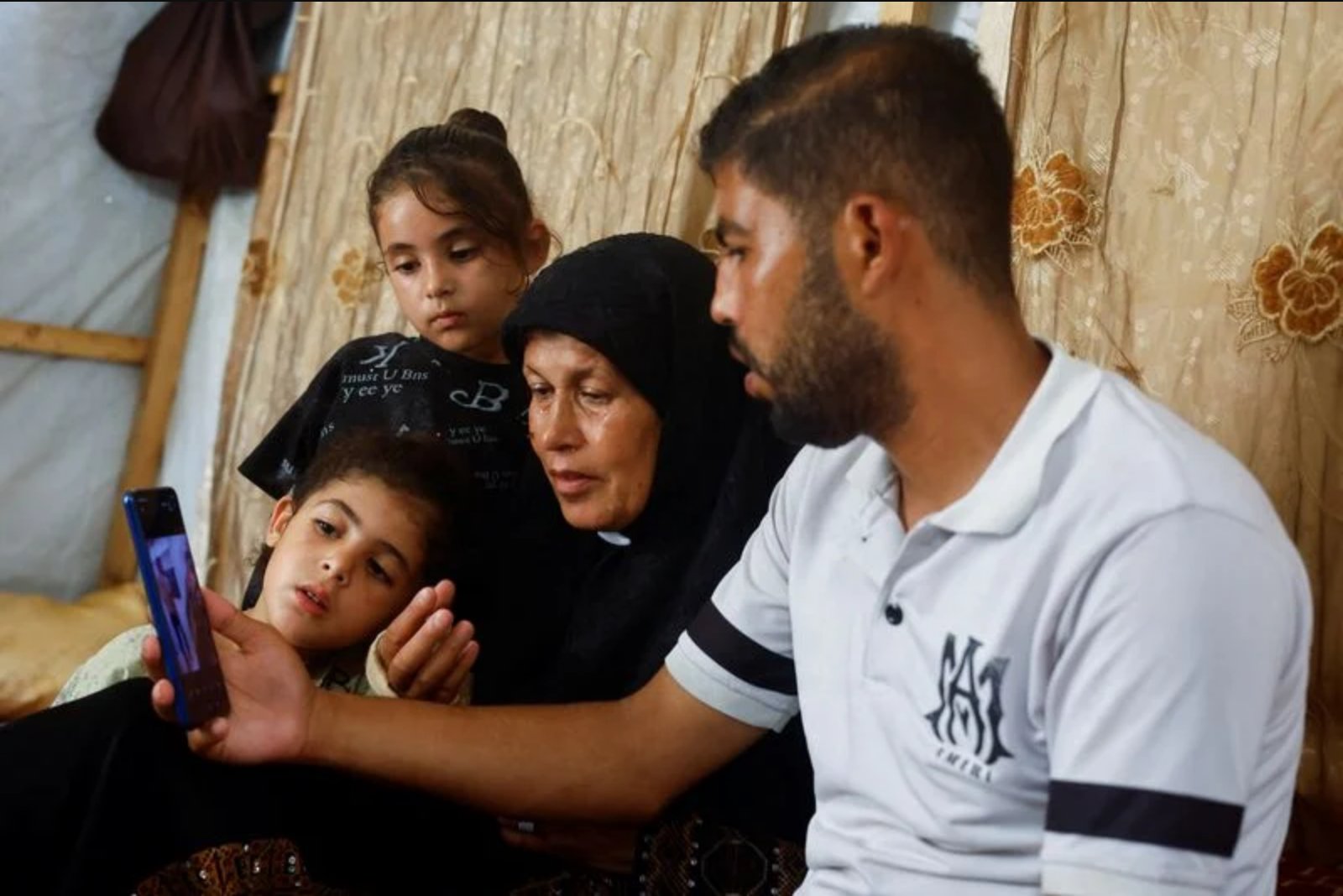
Rana Abu Nassar said that from the moment she saw the photo two days ago she recognized it as her son Osama. "I know the details of his body. He has swelling in his foot and scars on his leg - the same swelling on his left leg I saw in the picture," she said. Abu Nassar said this was the first image of Osama she had seen since his arrest on March 19 in an area near Israel’s armistice line with Hamas militants, often referred to as the "Yellow Line." His detention drew attention after he was taken into custody with his 1-year-old child, who was released the same day; the family said the child had cigarette burn marks on his legs.
Abu Nassar told reporters that Osama has mental health issues and that she believed a "normal person would not take his son to that area" near the Yellow Line, where Israeli forces frequently open fire on Palestinians. In response to allegations about the child's injuries, Israel's military rejected claims that its forces had abused Osama's son and said the marks on the boy's legs were the result of warning shots fired by troops to compel Osama not to approach the Yellow Line. The circumstances surrounding his arrest could not be independently verified.
Joudeh Al-Ghoul, the mother of Amin, said she also recognized the man in the image immediately. Amin was arrested in November 2023 while attempting to travel from southern Gaza to the enclave’s north. Al-Ghoul said, "It’s him - his hair and chin. He is my son. A mother’s heart can recognise her son. I hugged the mobile phone and started crying. He is my son, my soul, my life." She spoke from a displaced persons camp in Gaza City.
Efforts to obtain legal access
Approximately 1,200 Palestinians from Gaza are held in Israel under the Internment of Unlawful Combatants Law, which permits indefinite detention for individuals believed to have participated directly or indirectly in hostile acts. In response to the image's release, Amani Sarahneh of the Palestinian Prisoners Society said the organisation submitted both men's names to the military to request lawyer visits. "Visits do take place, but with great difficulty. The coordination process takes a very long time," she said.
Current status and uncertainties
The military has confirmed the image's authenticity and said an inquiry is ongoing, but it has not offered further details about the detainee's identity or detention location. Both families have identified physical features they say match their sons, and advocates have sought legal access, but official verification and the outcome of the military inquiry remain pending.
Context for readers
The photograph and the competing claims by the two mothers highlight the emotional toll on families of detainees in Gaza and the difficulty of obtaining timely information and legal access when detentions occur under the Internment of Unlawful Combatants Law. Until the military discloses the detainee's identity or releases the findings of its inquiry, key questions about the man's identity and the circumstances of his detention will remain unresolved.
Note on sourcing
The circumstances described in this article, including the account of the image and statements attributed to the military and the individuals quoted, come from on-the-record statements and interviews with the families and advocates mentioned above. The circumstances surrounding individual arrests referenced in family statements could not be independently verified in all respects.