
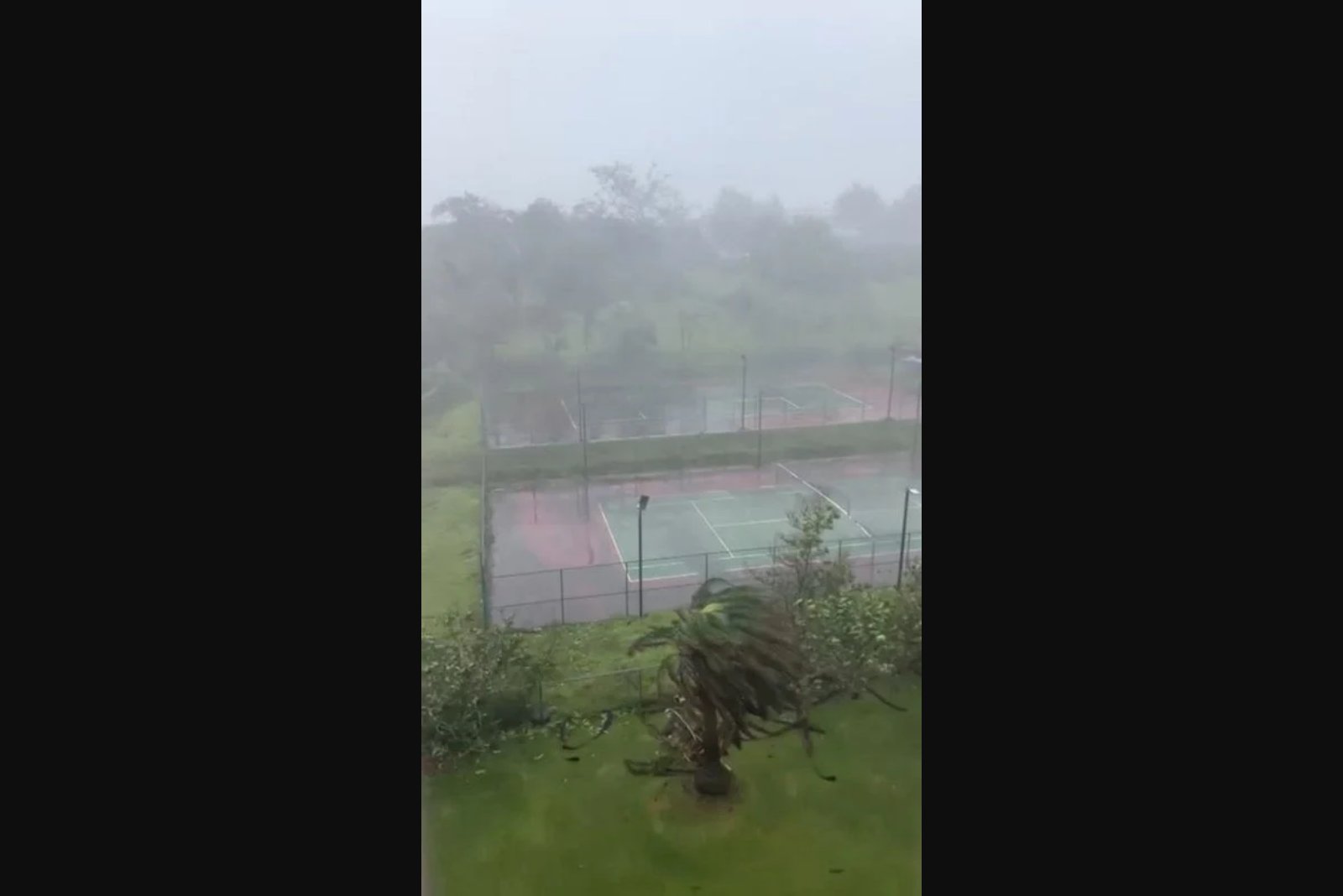
Super Typhoon Bavi crossed the chain of Mariana Islands in the western Pacific Ocean, striking Rota with catastrophic winds and producing severe conditions across Guam, Tinian and Saipan, the U.S. National Weather Service reported.
The service classified Bavi as a Category 5 storm as it passed through the island group, parts of which are designated as the U.S. commonwealth of the Northern Mariana Islands and the U.S. territory of Guam. The islands lie approximately 3,800 miles (6,116 km) west of Hawaii and 1,550 miles east of the Philippines.
Forecasters said the storm's eyewall was expected to make landfall at Rota shortly after dawn local time, subjecting the island to "catastrophically destructive" sustained winds up to 180 miles per hour (290 kph), with gusts potentially reaching 215 mph. Rota, described by officials as the southernmost island in the Northern Mariana Islands, has a population of about 2,000.
Meanwhile, Guam, Tinian and Saipan were forecast to experience conditions ranging from severe tropical storm to typhoon strength on Monday before winds began to subside. The National Weather Service also warned of intense rainfall near the storm's centre, estimating 12 to 20 inches (30 to 51 cm) of precipitation that could raise the threat of flash flooding through Tuesday night.
Authorities highlighted the strategic and logistical importance of the U.S. islands in the western Pacific, noting that they host U.S. military training facilities and bases. Locations cited include Andersen Air Force Base, Naval Base Guam and Marine Corps Base Camp Blaz. The presence of these facilities underscores the concentration of defence infrastructure within the storm-affected area.
Local emergency measures were activated. Guam opened evacuation centres across the territory to shelter residents displaced or threatened by the storm. In a video posted to Facebook on Sunday, Guam Governor Lou Leon Guerrero urged people to avoid travel and remain indoors, saying the administration was "ready and prepared in our planning and our protection of our people."
The National Weather Service message stressed the severity of the situation and urged residents on the impacted islands to take cover as the storm moved through the chain.
Key details
- Category 5 storm with eyewall landfall expected at Rota shortly after dawn local time.
- Sustained winds up to 180 mph (290 kph) and gusts up to 215 mph possible; Rota population about 2,000.
- Rainfall of 12 to 20 inches (30 to 51 cm) near the storm centre, raising flash flood risk through Tuesday night.
Preparedness and response
- Guam established evacuation centres throughout the territory.
- Officials advised residents to avoid travel and to remain indoors while emergency planning and protections were put in place.