
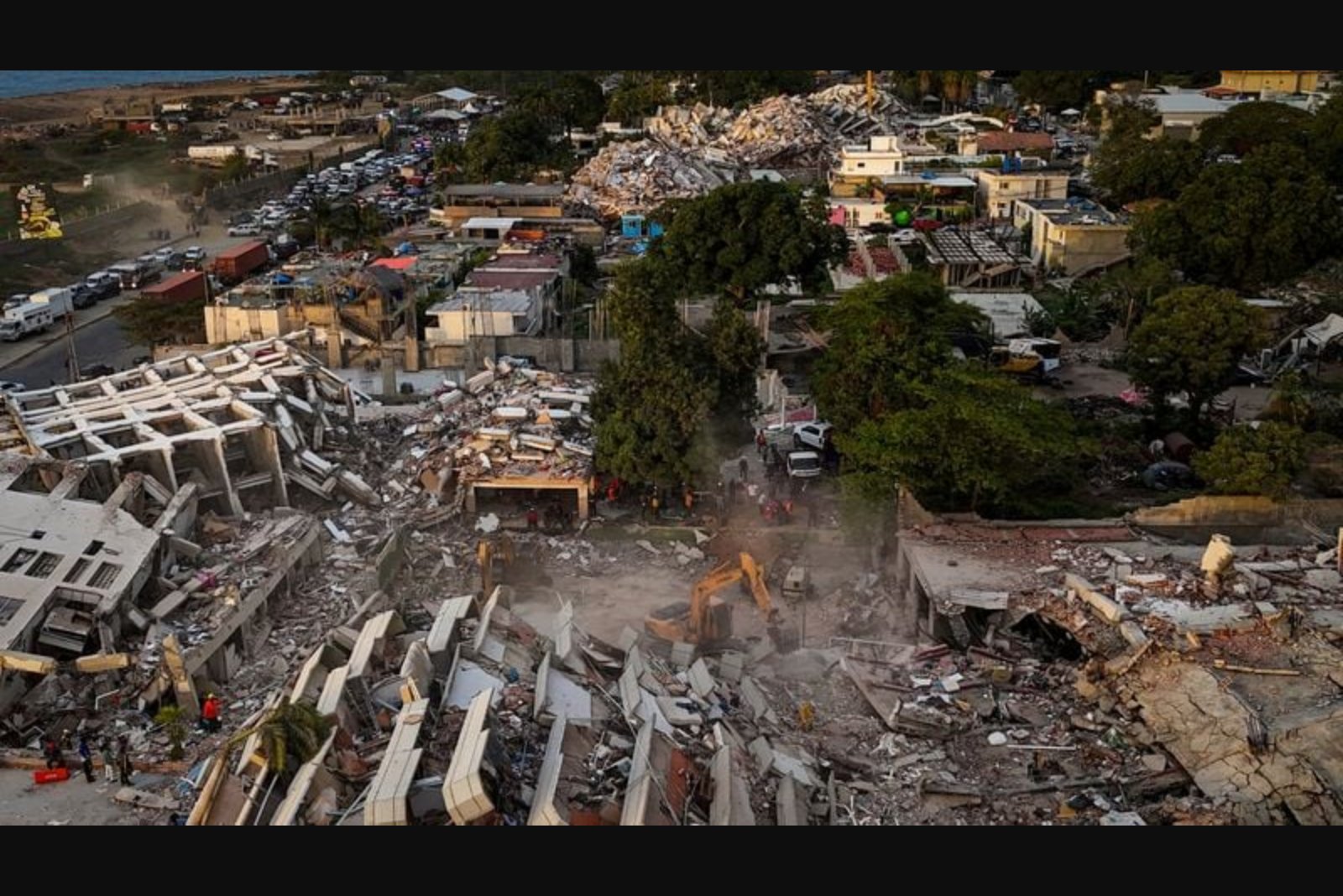
La Guaira, Venezuela, June 30 - After days of intensive, exhausting search work, international and local rescue teams in Venezuela have begun to conclude that further survival rescues are increasingly unlikely.
In Macuto, a coastal town in La Guaira state that bore the brunt of the disaster, teams from Ecuador and the United States halted operations early on Tuesday. Rescuers had been on site for more than 40 hours attempting to reach a mother and her three children believed to be trapped beneath the collapsed remains of a nine-story building. The teams stopped active search after they ceased receiving responses from the family.
Major Jorge Montanero, leader of the EQ11 team from Guayaquil on Ecuador's Pacific coast, described the grim outlook. "In the end, we believe the days have already passed and that what we will find now is death," he said. Standing among piles of concrete and twisted metal after cutting through four concrete slabs in an effort to reach the trapped family, he added: "Unfortunately, things haven’t developed favorably."
Estimates indicate the scale of the physical destruction is vast. According to NASA estimates, about 59,000 buildings were damaged or destroyed by the twin earthquakes, which struck just seconds apart with magnitudes of 7.2 and 7.5 on June 24. The scope of the devastation is visible even from space.
Not every collapsed structure has had professional rescue teams at the wreckage. In many neighborhoods, relatives and neighbors have been working themselves to remove debris in attempts to pull out survivors or recover bodies, survivors and residents from various areas said.
Gianluca Rampolla, the United Nations' resident coordinator in Venezuela, said on Monday from his office in Caracas that authorities anticipate the human toll is greater than current figures show. "There is no doubt we are facing a figure higher than what has already been reported. I can offer an estimate: we are procuring - and this has been agreed with local authorities - 10,000 body bags," he said.
The government of acting President Delcy Rodriguez reports that at least 1,750 people have died and that thousands have been injured as a result of the earthquakes. Officials also say roughly 16,000 people were left homeless. A website promoted by the country's political opposition places the number of people still missing at around 43,000.
As search operations transition from active rescues to recovery in many locations, crews and communities are confronting both the scale of the material destruction and the widening human cost of the disaster.
Key points
- Rescue crews from Ecuador and the U.S. ceased active operations in Macuto after failing to receive responses from four trapped individuals following more than 40 hours of searching.
- NASA estimates about 59,000 buildings were damaged or destroyed by twin earthquakes of magnitudes 7.2 and 7.5 on June 24.
- The government reports at least 1,750 fatalities and about 16,000 people left homeless; an opposition-backed site cites roughly 43,000 people missing.
Risks and uncertainties
- Ongoing uncertainty about the full human toll as many collapsed buildings have been cleared by relatives and neighbors rather than professional teams - impacting emergency services and humanitarian response planning.
- Widespread structural damage to tens of thousands of buildings creates large reconstruction needs for the construction and real estate sectors and raises insurance and fiscal pressures.
- Discrepancies in casualty and missing-person figures present challenges for accurate resource allocation and recovery prioritization by authorities and aid organizations.