
Nov 19 - The United Nations’ highest judicial body is due to hand down a long-awaited decision on Thursday in proceedings that accuse Myanmar of committing genocide against the Rohingya, a Muslim minority group that has been displaced en masse since 2017.
Summary of the case
The legal action stems from a military campaign in 2017 that prompted an exodus of more than 730,000 Rohingya into neighbouring Bangladesh. Humanitarian organizations and refugees described the offensive as involving mass killings, gang rapes, torture and the burning of hundreds of villages. Myanmar’s government rejected those characterizations, saying its security forces were targeting militants.
Scope of displacement
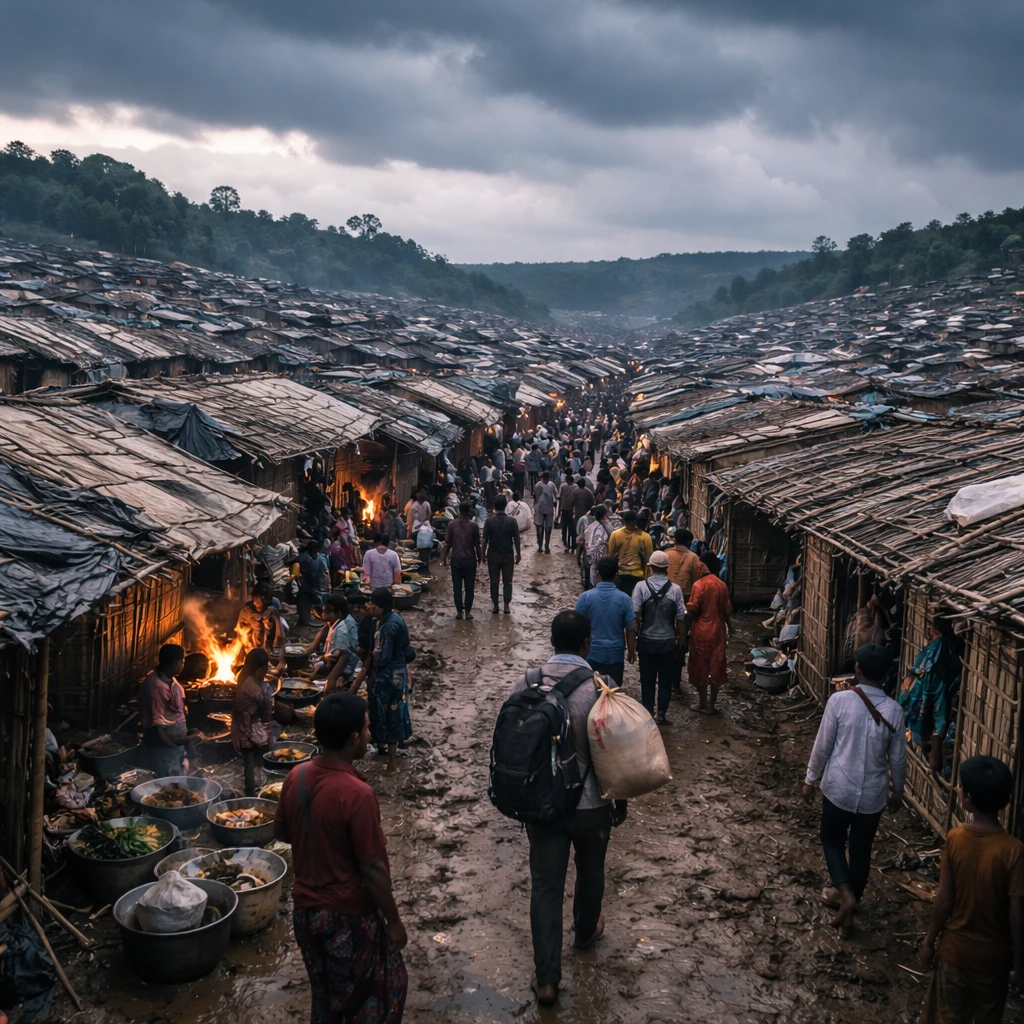
United Nations figures cited in the case indicate that upwards of 1.3 million Rohingya remain displaced across South and Southeast Asia. Of those, roughly 1.2 million live in sprawling camps in Cox’s Bazar in Bangladesh. The largest wave of displacement occurred beginning in August 2017, after attacks by the Arakan Rohingya Salvation Army on approximately 30 police posts and at least one army base prompted a broad military offensive in Rakhine State.
What the ICJ is considering
Gambia launched the legal proceedings at the International Court of Justice in 2019, with backing from the 57-member Organisation of Islamic Cooperation. The suit alleges that Myanmar’s 2017 actions in Rakhine State amounted to genocide. The ICJ’s judgments are final and binding on the parties, but the court itself has limited tools to enforce rulings and does not have the authority to convict individuals or issue arrest warrants.
During preliminary hearings in 2019, Myanmar’s then-leader Aung San Suu Kyi rejected the genocide allegations as "incomplete and misleading." Earlier, in January 2020, the ICJ ordered Myanmar to adopt urgent provisional measures intended to protect Rohingya people remaining in the country, including measures to prevent acts that could be genocidal and to preserve relevant evidence.
Recent developments in Rakhine and across Myanmar
Myanmar’s military, commanded by Min Aung Hlaing, seized power in February 2021. The removal of the elected government set off a wider conflict across the country that has been described as a civil war, with estimates in the proceedings placing the death toll at around 100,000 and the number of internally displaced people at more than 3.5 million.
As fighting expanded, new clashes between the military junta and the Arakan Army rebel group reignited in Rakhine State in November 2023. Those hostilities forced additional Rohingya civilians to flee to neighbouring Bangladesh. Aid agencies and reporting indicate the minority community has also faced violence from the Arakan Army; in May 2024, parts of the Rohingya settlement of Buthidaung were set alight, according to reports cited in the case.
Barriers to return
Humanitarian groups assert that security conditions in Rakhine do not permit safe, voluntary returns for Rohingya refugees. The Myanmar government reported in August that it had verified 308,797 people living in displacement camps in Bangladesh as former residents of Rakhine State, but said repatriation would only begin once security in Rakhine had improved. Many refugees have stated they will not return without guarantees of full rights, dignity and citizenship.
For decades, Myanmar’s authorities have regarded the Rohingya as illegal migrants from Bangladesh and have denied them citizenship, despite long-standing presence of Rohingya families in the area. Previous repatriation schemes in 2018 and 2019 produced no returns.
Broader implications
The ICJ ruling will resolve a central international legal question about whether the 2017 actions met the threshold of genocide under the Genocide Convention. Regardless of the judgment, the court’s limited enforcement mechanisms and the complex security situation in Myanmar mean that practical outcomes for displaced Rohingya - including their safety, legal status and prospects for return - will remain contingent on political and security developments in Rakhine and beyond.
Reporting for this analysis reflects the information presented in the case and related statements; it does not introduce additional facts beyond those cited in the proceedings.