
SANTA CLARA, California - June 11
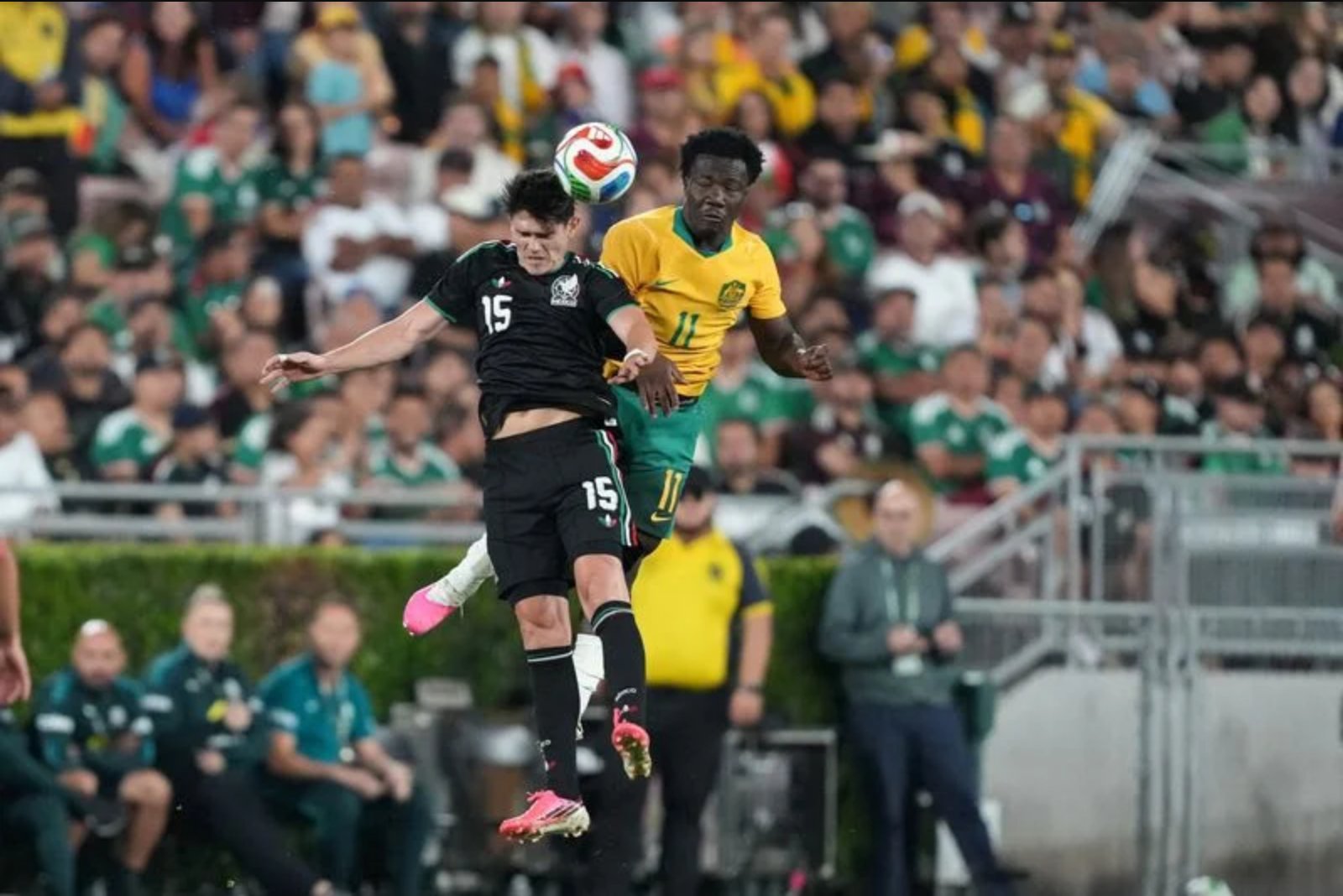
Three attacking players who trace their origins to refugee camps in Africa are set to represent a visibly different face of Australian soccer at the World Cup, and could be pivotal in answering the national demand for goals. Coach Tony Popovic has placed his trust in youngsters Mohamed Toure and Nestory Irankunda for the Socceroos' opening match against Turkey, with Awer Mabil - the 30-year-old veteran of the group - serving as a mentor and experienced option at his second World Cup.
All three share a common background as children of asylum seekers who established their footballing paths in Adelaide, the South Australian capital. Their ascent from local youth cricket grounds and community pitches to international fixtures has resonated strongly with Australia’s approximately 500,000-strong African diaspora, and their interpersonal chemistry is viewed as a potential catalyst for Australia to progress through the group phase and, ultimately, claim a first-ever World Cup knockout victory.
"It’s the country that gave us the opportunity to live," said 22-year-old Mohamed Toure. "So I think (the World Cup) would be the best way to pay back and just do what I love at a top level." Toure, who plays in England’s second tier with Norwich City and was born in a refugee camp in Guinea after his parents fled Liberia, has earned Popovic’s confidence as the coach’s preferred striker despite having only 10 international caps. That selection follows a blistering start in Norwich City colours, where he scored nine goals in 11 appearances.
Toure is close friends with 20-year-old Nestory Irankunda, who was born in a Tanzanian refugee camp to parents from Burundi and also plies his trade in England’s second tier with Watford. Irankunda’s high-profile move to Bayern Munich in 2024 did not produce the expected breakthrough, but he has nevertheless become a fan favourite for Australia, attracting attention in 15 appearances through his energetic play and exuberant goal celebrations.
Awer Mabil, the group’s elder statesman at 30, began playing football with other children in a refugee camp in Kenya, where his family lived until he was 10 after being displaced by civil war in Sudan. Mabil has 38 caps for Australia. Initially overlooked by Popovic, he earned a recall to the national side in March after rediscovering form with Castellon in Spain’s second division. "Obviously, I had a little taste in the last one (World Cup), but this one will mean extra because I think it’s not been an easy couple of years for me," Mabil said, reflecting both the personal significance of the tournament and his recent career trajectory.
The composition of the Socceroos has shifted noticeably from past squads that were heavily dominated by players of European heritage. This World Cup roster includes six players with African heritage - nearly a quarter of the squad - which is double the number selected for the 2022 tournament in Qatar. Four of those players grew up and played in Adelaide, an unexpected but increasingly important nurture point for African-origin talent in Australia.
Joining Toure, Irankunda and Mabil from the Adelaide pipeline is Tete Yengi, a Japan-based striker who scored on his debut in Australia’s 1-1 pre-tournament friendly against Switzerland. Yengi, who has South Sudanese roots and whose brother Kusini is also a capped forward for the Socceroos, maintains a strong rapport with his former Adelaide United teammate Irankunda.
Adelaide United, the city’s A-League club, has established strong connections with local African communities and a reputation for giving opportunities to raw juniors; it handed Irankunda his professional debut at the age of 15. "That’s why we keep producing these hidden gems," said Deng Akoy, a South Sudanese-Australian coach in Adelaide’s youth setup, highlighting the club’s role in talent development.
While Australia continues to receive thousands of refugees through its asylum program each year, immigration has become a politically charged issue domestically. Populist politicians have linked immigration to rising housing costs and various social problems, framing it as a point of public concern.
For figures such as Toure and Irankunda, the World Cup presents an opportunity to counter that narrative by demonstrating the positive outcomes of multiculturalism through sport. Akoy said players like them have the chance to change perceptions and to showcase how Australian football now mirrors a diverse, modern Australia - a development he suggested is worth celebrating.
Context and immediate outlook
Popovic’s selection indicates a strategic reliance on young, pacey forwards who have progressed rapidly through club and national pathways. The coach’s decision to start Toure and Irankunda, supported by Mabil’s experience, reflects a blend of youthful attacking impetus and senior guidance that the team hopes will translate into goals against Turkey and further into the tournament.