
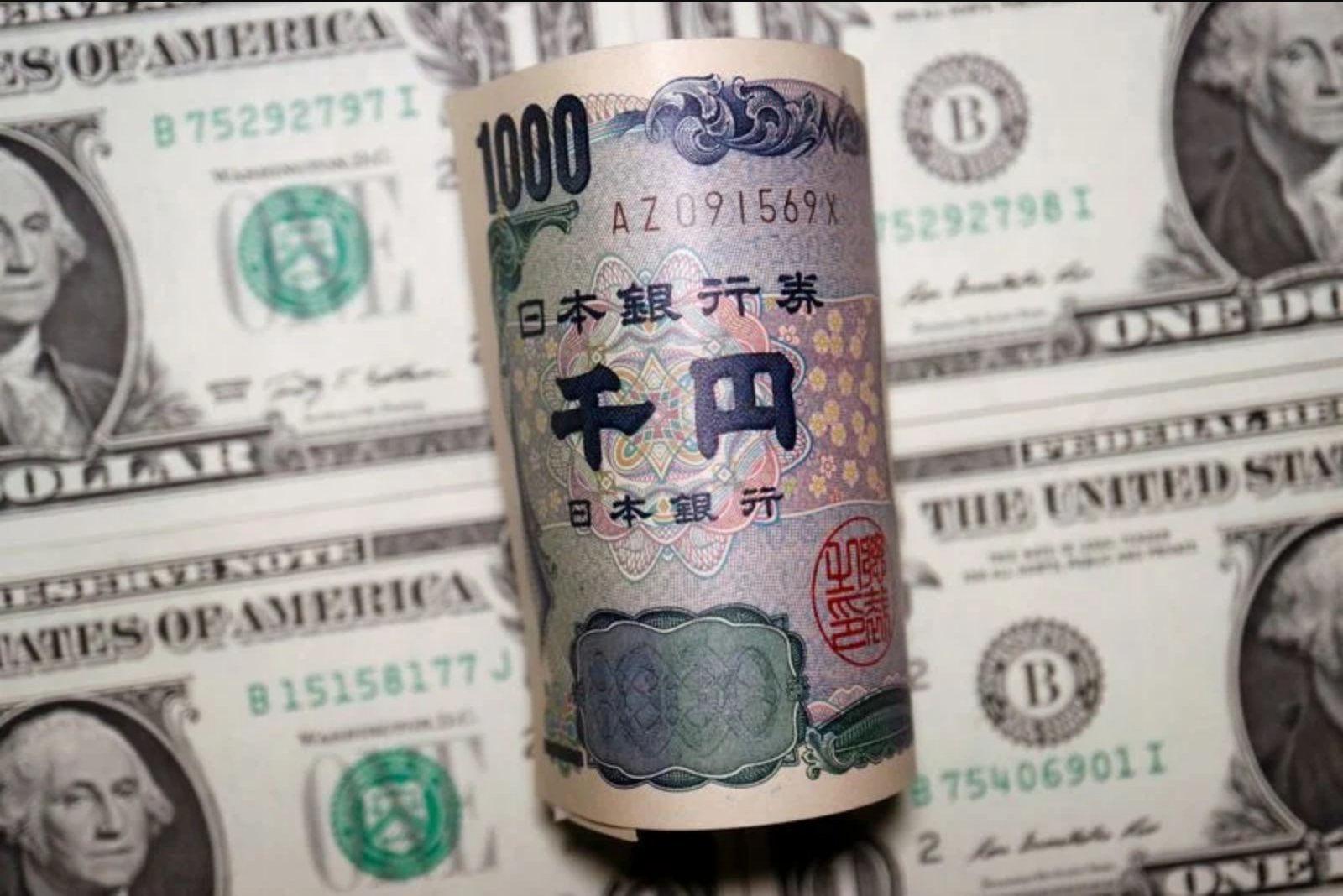
The U.S. dollar stabilized during early trading sessions on Friday, recovering from a slide that had pushed the currency to its weakest level within a seven-day window. This reversal followed market reactions to reports indicating that a ceasefire agreement in the Middle East might be finalized as soon as this weekend. The geopolitical developments prompted traders to reassess risk premiums, leading to a shift in currency valuations across major pairs.
Against the Japanese yen, the dollar gained 0.1% to reach 160.07 yen. Meanwhile, the Australian dollar declined by 0.1%, trading at $0.7045, and the New Zealand dollar also dropped 0.1% to $0.5830. The euro maintained its position near a one-week high after purchasing $1.1576, supported by the European Central Bank's recent monetary policy decision. The British pound remained flat at $1.3414.
- Geopolitical de-escalation in the Middle East has reduced immediate energy price risks.
- Core producer price index data came in well below forecasts, cooling inflation concerns.
- Federal Reserve rate hike expectations have shifted toward December following softer data.
Analysts at Westpac noted that markets reversed their late U.S. session trends after President Trump cancelled planned military actions against Iran. This political shift suggested a potential deal could be signed shortly. "The USD weakened on the latest developments, with the DXY lower and the AUD rising against the USD and other major currencies," Westpac analysts wrote in a client note. Brent crude oil prices fell 1.6% to $88.94 per barrel as Asian trading resumed, following statements from President Trump that the United States and Iran might sign a peace deal this weekend, which could reopen the Strait of Hormuz to commercial shipping. Iranian officials countered that no final decision on an agreement had been made.
Economic data released on Thursday presented a mixed picture for U.S. inflation. Producer prices increased more than anticipated in May, marking the largest annual gain in three and a half years. This surge was largely attributed to rising energy product costs driven by the ongoing Middle East conflict. However, traders focused on the core PPI reading, which excludes volatile food and energy components. The core figure rose 4.9% year-over-year, significantly lower than the 5.4% forecast.
"The more important core PPI reading, which typically feeds directly into core PCE inflation, came in at 4.9% year-on-year, well below the 5.4% expected," said Tony Sycamore, market analyst at IG in Sydney.
Sycamore emphasized that this softer core data, combined with falling energy prices, helped alleviate inflationary fears. The producer price index is a leading indicator for the Federal Reserve's preferred measure of inflation, the personal consumption expenditures (PCE) price index. Consequently, expectations for the timing of the Fed's next interest rate increase shifted back to December.
Fed funds futures, as tracked by the CME Group's FedWatch tool, now imply a 63.3% probability of a 25-basis-point rate hike at the Federal Reserve's two-day meeting concluding on October 28. This represents an increase in pricing from the even chance recorded just one day earlier.
In European markets, interest rate expectations are adjusting following the ECB's monetary policy announcement. Data from LSEG indicates widespread expectation that the central bank will lift rates again in September. Barclays analysts described the recent move as a 25-basis-point hike, noting that inflation and growth revisions were hawkish at the margin. However, they cautioned that little guidance was provided regarding future actions, with risks skewed toward additional tightening unless the inflation outlook improves rapidly.
Cryptocurrency markets showed modest gains. Bitcoin increased by 0.2% to $63,460.05, while ether rose by 0.1% to $1,672.55.