
ZVERNEC, Albania - Last month, 81-year-old Kostaq Konomi returned to what he says has been his family’s shorefront land for most of his life and found it sealed off by a barbed wire fence and guarded by men in black uniforms who refused him entry. News reports later revealed the strip of coastline had been included in plans for a luxury resort being developed by a group of international investors that counts Jared Kushner among its partners.
The property sits on a hillside covered in flowering gorse which slopes down to a largely deserted cove where cows still wade in the shallows. The land, residents say, had already been appropriated once under communist rule and then returned in the 1990s. The sight of it fenced and earmarked for development provoked raw emotion. "I was ready to get a rifle and start shooting," Konomi said. "I was a small boy when I put my feet in that water. Now I am an old man and they say I cannot."
A group of about a dozen Zvernec residents told Reuters they believe their parcels were wrongfully sold last year by a rival claimant and incorporated into the resort scheme. They provided property deeds and tax records they say substantiate their claims, and they said none of them had received compensation.
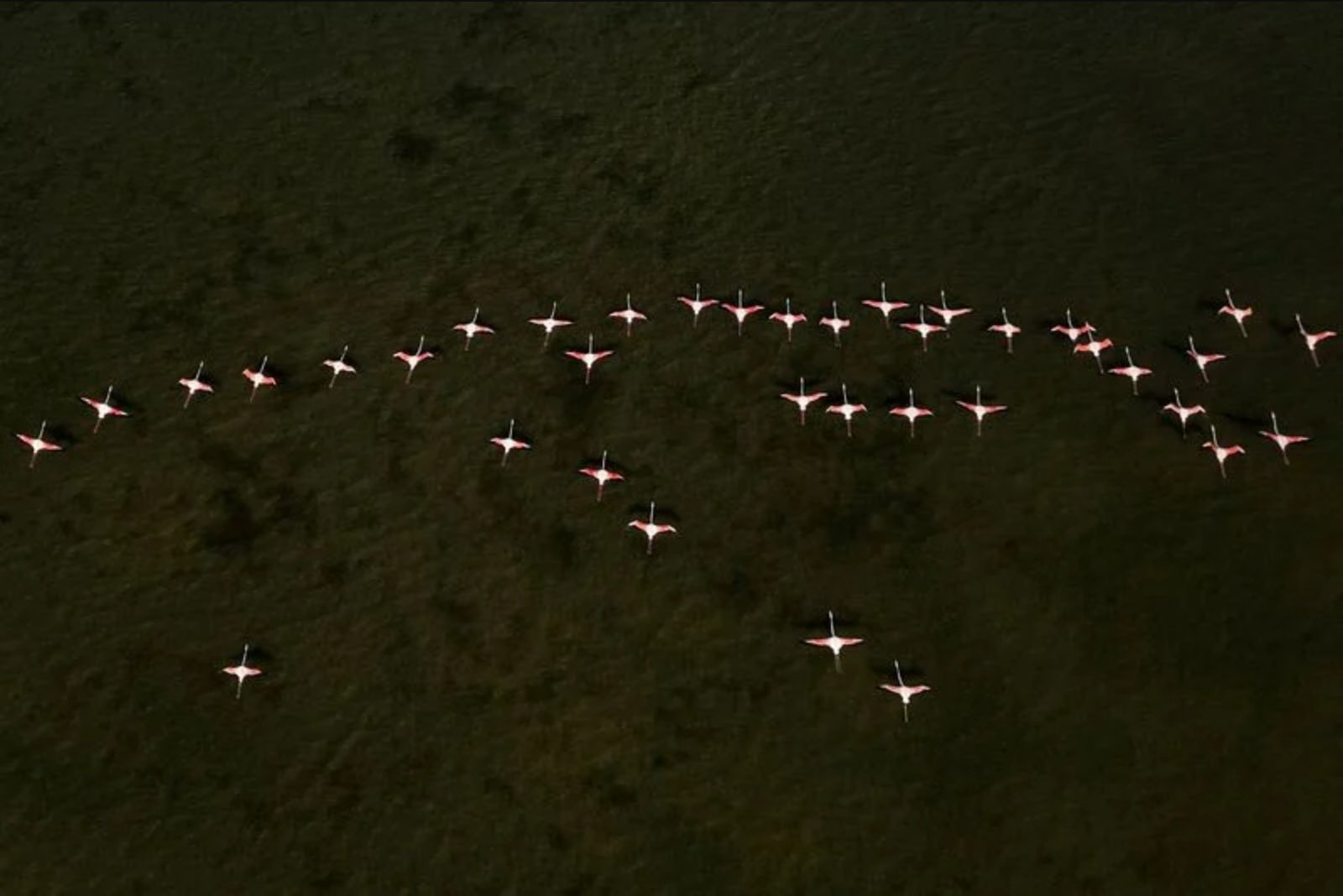
The dispute sits against the backdrop of a contested, multi-billion-euro development that spans parts of an island and adjacent mainland, an area that includes a protected wetland used by migrating flamingos and home to seals and sea turtles. The project has triggered mass demonstrations in the capital, Tirana, with protesters calling for construction to stop. The European Union has also raised concerns about potential effects on local wildlife.
Prime Minister Edi Rama, who has publicly championed the deal, told Reuters the development is legal and that habitats will be safeguarded. When asked about the property litigation, Rama said, "Just because there is a court trial does not automatically mean that the property is frozen."
Reuters found no evidence of wrongdoing by Kushner, who is not directly engaged in the villagers’ legal dispute. Kushner did not answer requests for comment made through his investment vehicle, Affinity Partners. The project is being built by Sazan Real Estate Development LLC; the company did not answer detailed questions about the land dispute and directed inquiries to a statement posted by its chairman, Asher Abehsera.
In that statement, Abehsera said the aim is to "celebrate Albania’s natural beauty, create jobs, and build something future generations can be proud of." A company spokesperson added that Sazan’s partners, including Kushner, were investing in a personal capacity rather than through Affinity; Reuters was unable to independently confirm that claim.
Zvernec occupies a narrow peninsula separated from the mainland by a lagoon that fills each summer with flamingos. The seaward side is characterized by empty beaches, olive groves and sheer cliffs. According to the account given by residents and local officials, the setting is what originally drew the attention of Kushner and his wife Ivanka Trump when they viewed the coastline from a yacht several years ago.
Rama recounted meeting the couple on that trip and said Kushner later indicated an interest in investing after they crossed paths again at the World Economic Forum in Davos. "You are an American investor, and this country is open to every American investor," Rama said he told Kushner, the prime minister recounted to Reuters. Kushner announced the venture on social media in 2024, releasing an artist’s rendering that depicted hotels, villas, pools and jetties.
The Zvernec residents plan to seek a court order to halt the project, their lawyer Kostandin Beko said. Their legal claims underscore enduring complications for investors in Albania, where poor record-keeping, a complex property history and local corruption mean land disputes are common, according to the residents’ lawyer and other officials referenced in this account.
Under the Ottoman Empire and later during five decades of communist rule that ended in the early 1990s, many properties were requisitioned by the state. When post-communist governments sought to return land to former owners, the process was often imperfect and generated overlapping claims that have persisted into the present.
The contested sales in Zvernec involve a man named Artur Shehu, who asserts his family’s ownership stretches back to Ottoman times. Reuters could not reach Shehu or his lawyer, though in a televised interview he said his title was "undisputed". Shehu told that program he sold the parcels through a middleman and that he has lived in Miami for 26 years; he said he did not know the identity of the ultimate purchaser. Those statements could not be independently verified by Reuters.
Residents say Shehu had no right to sell. They point to a 2013 ruling by an Albanian court that, they say, affirmed their ownership. Shehu appealed and, according to the residents’ lawyer and legal records provided, the case remains unresolved.
The villagers showed Reuters documents they say were property deeds issued by local authorities in the 1990s, together with tax records. They maintain they were not consulted prior to the sale and that they received no payment. "We thought Rama would offer us money," said 84-year-old Thoma Kola, adding that in his view the land should not have been sold while subject to a legal dispute.
Local tensions escalated after the developer erected a fence in May that cordoned off a broad swathe of Zvernec and blocked access by sea. Clashes between residents and private security personnel resulted in several injuries and footage of the confrontations spread widely on social media. The fence has since been removed, and bulldozers that cut a new road across the property have withdrawn; it is uncertain when, or if, construction will resume.
For small business owners in the area, the brief closure of the shorefront was deeply unsettling. Stavri Hysa, who rents deckchairs and sells beer and burgers to beachgoers, likened the limited access he experienced to the restrictions of communist times when authorities only allowed public access for part of the year. "When I found out that they had blocked access to the sea, I couldn’t sleep for 15 days," Hysa said, fighting back tears. "I do not agree with giving away parts of the beach. This should be public."
The unfolding dispute in Zvernec highlights several intersecting pressures that accompany large-scale coastal developments: contested land titles rooted in historical confiscations and incomplete records; tensions between national governments seeking foreign investment and local communities asserting property rights and public access; and environmental concerns that attract scrutiny from regional bodies such as the European Union. In this case, those dynamics have produced street protests, an ongoing court battle, and a public relations effort by developers and the Albanian government to present the project as lawful and protective of habitats.
At present, the competing claims remain unresolved in the courts, the extent of any financial compensation to the residents is disputed, and the schedule for further construction activity is unclear. While international investors have signaled an appetite for developing Albania’s coastline, the Zvernec case illustrates the legal and social risks that can affect project timelines, community relations and reputational exposure for those involved.