
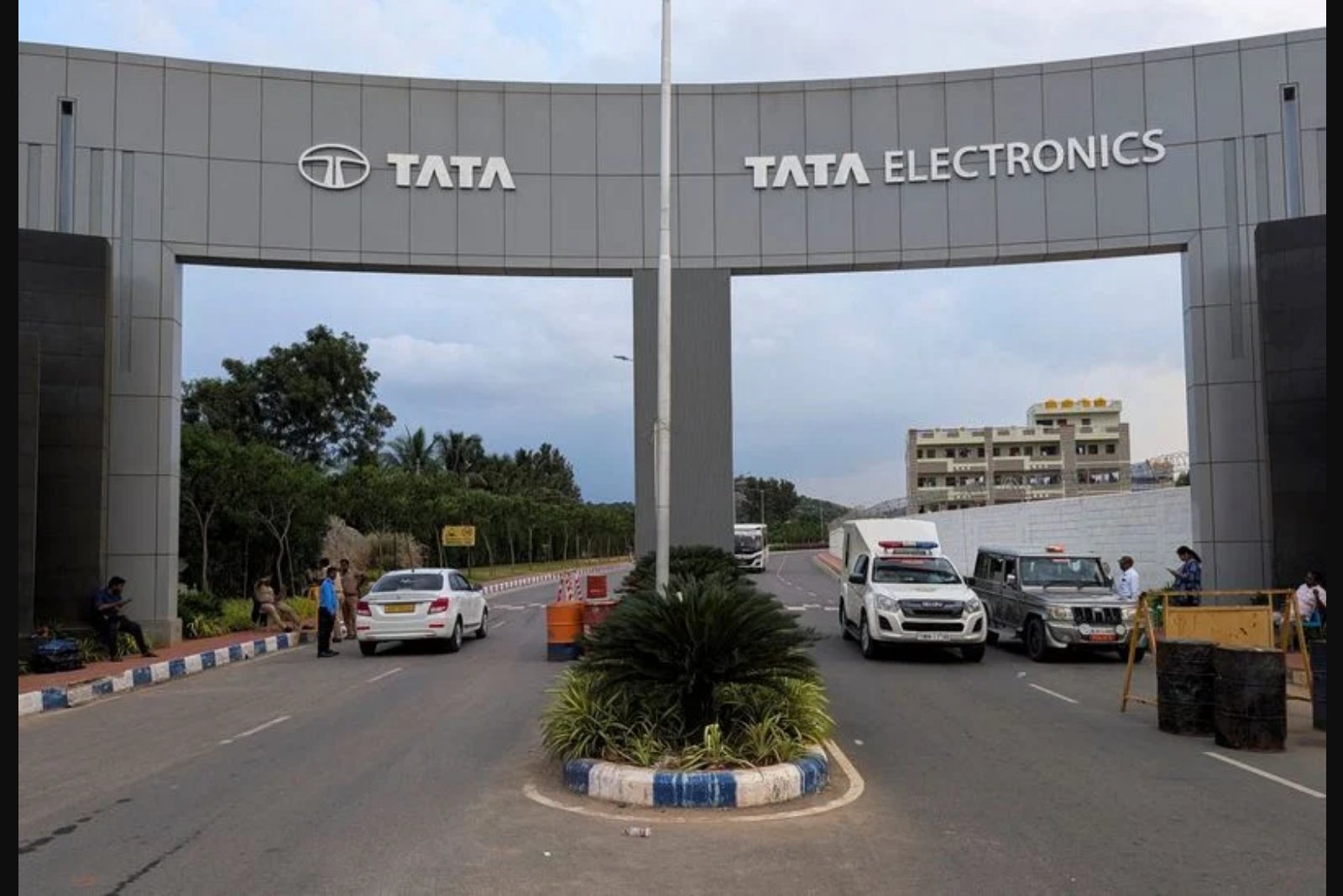
India’s Tamil Nadu Pollution Control Board has alleged that wastewater from a Tata Electronics plant in Hosur has contaminated groundwater serving adjacent farmland, and it has warned the company that the unit faces power disconnection and closure unless Tata offers an acceptable explanation.
The facility involved produces back panels and other parts for Apple’s iPhone as part of Apple’s broader effort to build production capacity outside China. Tata Electronics is identified as one of Apple’s largest suppliers in South Asia, second only to Foxconn.
Local farmland owners had been raising complaints for several months, asserting that effluent from the factory was affecting their land and the open wells used for irrigation. Those complaints prompted five inspections by state pollution officials between December 2025 and May 2026, according to details laid out in a pollution board notice dated May 25.
The inspections concluded that wastewater had been discharged into a rainwater harvesting pond inside the Tata factory grounds and that the pond had overflowed, leading to contamination of "groundwater in the open wells located in the adjacent agricultural lands," the board wrote in its notice to the company. The notice also said that Tata had not implemented corrective actions requested in an earlier letter from the pollution board dated December 23, 2025.
In response to questions, Tata Electronics provided a statement saying it had engaged an accredited laboratory to carry out an independent analysis, and that the laboratory study determined the company was "in full compliance with all regulatory norms." The company also reiterated that it is "committed to responsible business practices and protection of the environment and local communities," and said it had replied to pollution authorities, without offering further specifics.
The Tamil Nadu pollution board, in its May notice, demanded that Tata explain why it should not be subject to a power cut and closure for the alleged breaches of environmental rules. The company’s response to that specific warning was not detailed in the available notice.
Apple, which maintains strict supplier requirements for wastewater handling, and the Tamil Nadu government did not provide comments in response to enquiries made in relation to the notice.
Context within Apple’s India supply chain
The regulatory action against the Hosur plant adds to a series of operational and compliance challenges that have affected firms in Apple’s India supply chain in recent years. A fire at the same Tata Hosur facility in September 2024 briefly halted production of iPhone components, and a fire at a former supplier, Pegatron, in September 2023 also interrupted output for several days. Separately, a 2024 investigation found that another major supplier, Foxconn, had practices that excluded married women from some assembly roles at one Indian plant, a matter Foxconn said at the time complied with applicable laws.
Industry projections referenced in public data indicate rapid expansion of iPhone production in India - rising to an estimated 26% of global iPhone manufacturing in 2026 from about 6% four years earlier - a shift that places more production activities and their environmental footprints within India.
Regulatory enforcement landscape
India’s environmental enforcement record shows that regulatory agencies do take compliance actions. In one recent example cited by state authorities, a carmaker improved wastewater and air pollution controls at its only Indian plant after regulators identified compliance lapses in 2024. National data presented to lawmakers indicated that, over a recent five-year span, a notable subset of registered industries were found non-compliant and that thousands of facilities have been shuttered by pollution control departments.
Against that regulatory backdrop, the pollution board’s notice to Tata underscores the potential for enforcement measures - including operational suspension - when inspections identify contamination risks linked to industrial wastewater handling.
What the notice says and next steps
The three-page pollution board notice dated May 25 documents the inspections and the board’s finding that overflow from the company’s internal rainwater harvesting pond impacted open wells in adjacent agricultural land. The notice also records that the pollution board issued an earlier directive on December 23, 2025, which, according to the board, Tata had not acted upon.
The pollution board has asked Tata to provide an explanation addressing why the plant’s power should not be cut and why the unit should not be ordered closed. The notice makes clear that such enforcement steps are being considered unless the regulator receives a satisfactory response and evidence of corrective action.
Tata’s statement about the accredited laboratory analysis and its commitment to environmental protection signals the company’s position that it meets regulatory requirements, but the pollution board’s formal notice indicates regulators remain unconvinced pending further submissions or remediation.
The public record as reflected in the notice does not detail subsequent regulatory decisions or any additional corrective measures taken by Tata beyond its statement about the independent analysis.
Implications for stakeholders
For local farmers, the immediate concern cited in complaints is contamination of open wells and farmland. For the manufacturing sector, particularly contract suppliers to multinational electronics companies, the notice highlights the intersection of rapid production scale-up and environmental compliance obligations. For investors and companies dependent on the India manufacturing ramp-up for iPhones, regulatory disputes at supplier sites pose a potential operational and reputational risk that could require remediation or prompt enforcement actions.