
World August 3, 2026 03:20 PM

25 Democratic-Led States File Suit Over Latest U.S. Tariffs

States challenge July tariffs targeting 60 trading partners, saying measures harm domestic businesses and families

By Priya Menon
Share
Twitter Reddit Facebook LinkedIn

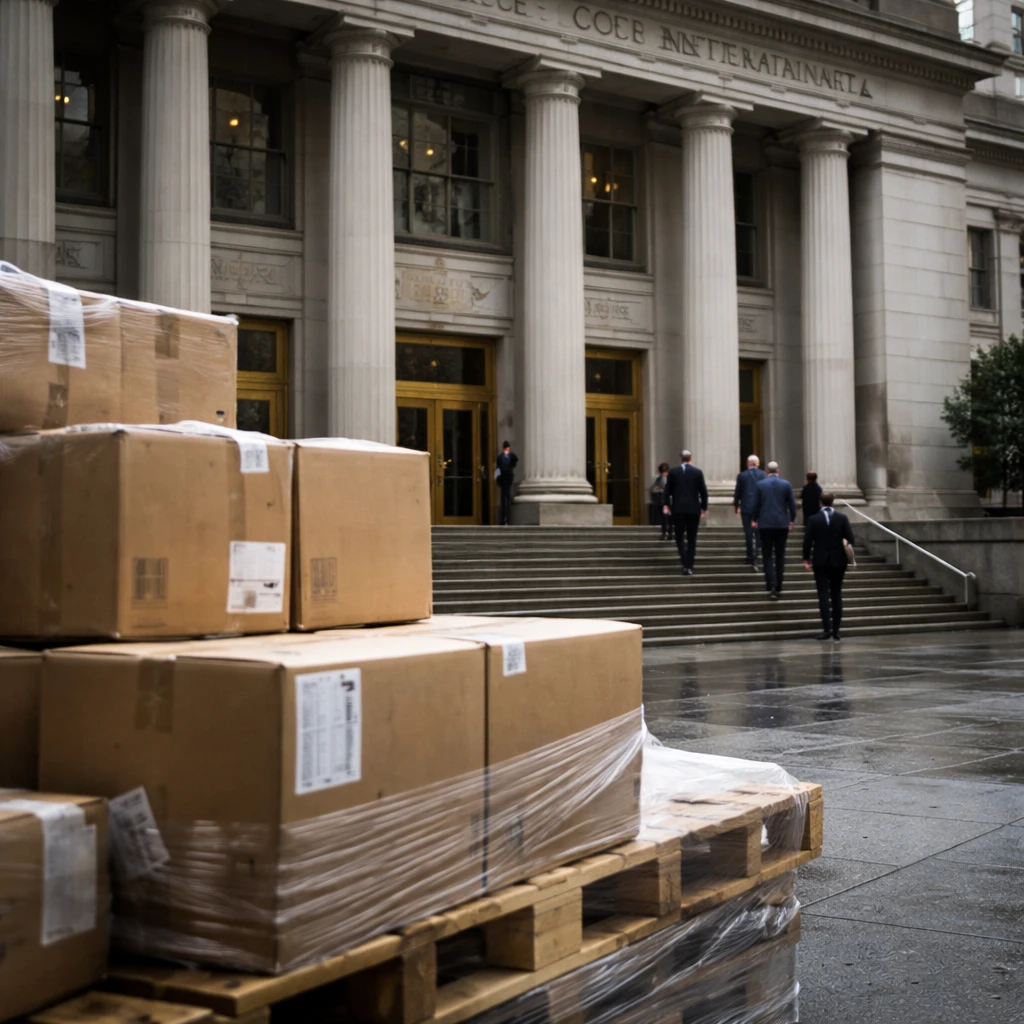
On Aug 3, a coalition of 25 Democratic-led U.S. states filed a lawsuit in the U.S. Court of International Trade in New York, contesting the Trump administration's July 24 imposition of new tariffs on goods from 60 trading partners. The suit, announced by the Oregon Attorney General's office, follows separate legal challenges from small U.S. businesses and comes amid a pattern of prior successful legal disputes over earlier global tariffs.

25 Democratic-Led States File Suit Over Latest U.S. Tariffs
Summarize with
ChatGPT Perplexity Claude Grok Gemini

Key Points

  • A coalition of 25 Democratic-led U.S. states filed suit on Aug 3 in the U.S. Court of International Trade in New York challenging new tariffs.
  • The Trump administration on July 24 imposed 10% and 12.5% tariffs on goods from 60 trading partners, including the European Union, citing alleged failures to curb exports of goods made with forced labor.
  • The states' suit follows earlier challenges by small U.S. businesses; both states and small businesses have successfully contested previous global tariffs imposed during the administration's second term.

On Aug 3, a group of 25 Democratic-led U.S. states launched a legal challenge to the Trump administration's most recent tariff action, the office of Oregon Attorney General Dan Rayfield said. The complaint was filed in the U.S. Court of International Trade in New York and contests tariffs applied to goods from 60 trading partners.

The contested measures were put in place by the administration on July 24 and set new rates of 10% and 12.5% on affected imports, including goods from the European Union. Federal officials said the tariffs target trading partners they allege have not done enough to prevent the export of products made with forced labor. The new duties took effect as a previous 10% global tariff expired.

The states' filing follows earlier legal actions by small U.S. businesses, which sued to block the tariffs on the day they went into effect last month. Those business-led suits were brought immediately after the administration announced the measures.

Legal challenges to the administration's global tariffs are not new: states and small businesses have previously succeeded in court against earlier tariff measures enacted during the administration's second term. Despite those setbacks in the judiciary, the administration has continued to pursue additional tariffs.

"Despite losing every step of the way, Trump is trying yet again to inflict more chaos on working families and homegrown Oregon businesses. We’re all paying the price for these unlawful tariffs, not foreign governments," Rayfield said in a statement.

The states' lawsuit formalizes opposition to the July 24 measures and places the dispute before the U.S. Court of International Trade, where the legal status and application of the tariffs will be adjudicated. The filing underscores continued friction between the administration's use of tariffs as a trade policy tool and the legal challenges mounted by domestic entities affected by those tariffs.


Context and next steps

The complaint by the 25 states will proceed through the court system, where it will be considered alongside prior cases brought by businesses challenging related global tariff measures. The outcome of this litigation will determine whether the new 10% and 12.5% rates on imports from the listed trading partners remain in effect while legal proceedings continue.

Risks

  • Legal uncertainty - Ongoing litigation could prolong uncertainty for importers and businesses affected by the tariffs, including small U.S. businesses and homegrown firms mentioned in the states' statement.
  • Economic costs to domestic parties - The states contend that working families and domestic businesses bear the financial burden of the tariffs rather than foreign governments, indicating potential economic strain on households and local companies.
  • Policy continuity despite setbacks - The administration's continuation of new tariff actions despite prior legal defeats creates a risk of repetitive legal conflicts and shifting trade policy for affected markets.

More from World

Italian New-Car Registrations Rise 3.9% in July as Chinese Brands Gain Ground Aug 3, 2026 Britain Sees Sharp Rise in Battery Electric Vehicle Registrations in July Aug 3, 2026 US Cyclospora Outbreak: What Officials Know as Investigations Expand Beyond Taco Bell Lettuce Aug 3, 2026 U.S. finalizes voluntary cybersecurity tests for advanced AI models, White House says Aug 3, 2026 UK Signals Potential Move to Regulate Advanced AI if Voluntary Oversight Falls Short Aug 3, 2026