
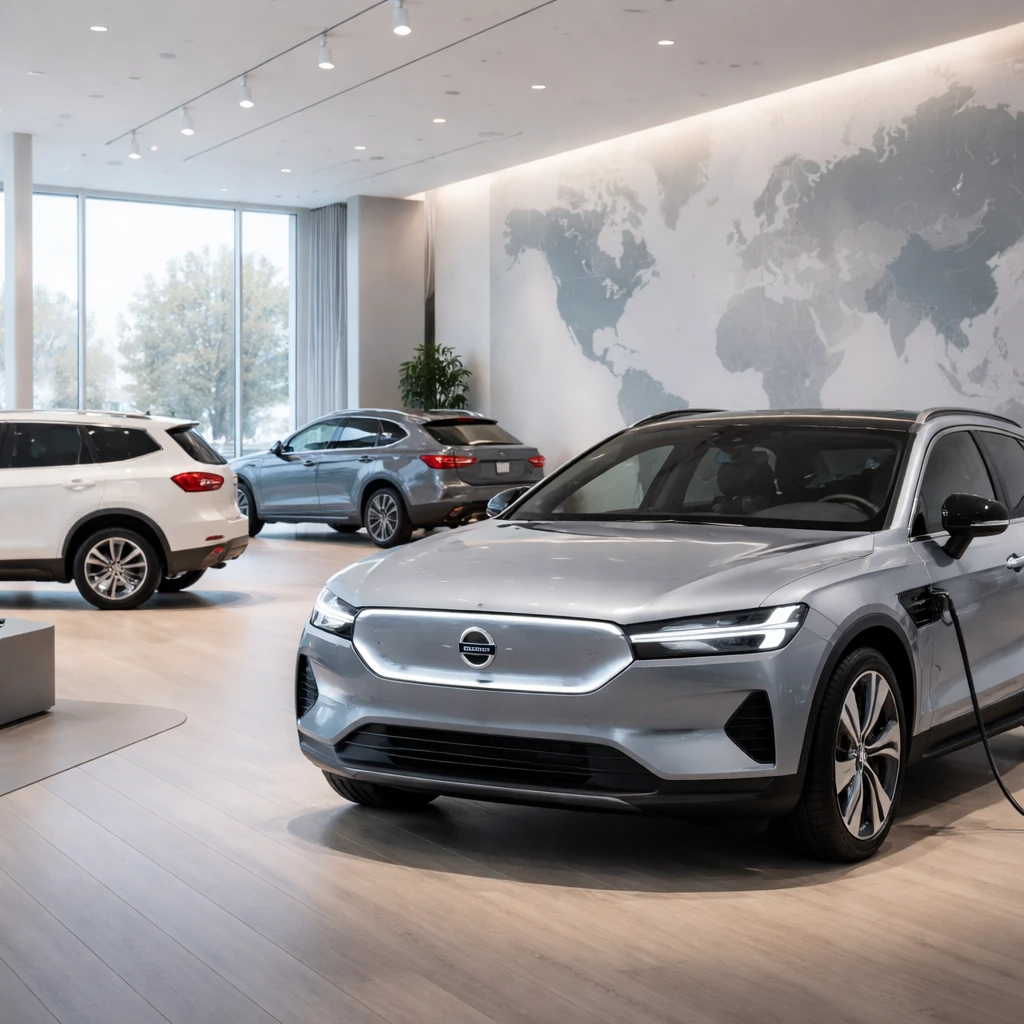
Volvo Cars sold 164,663 vehicles in the three months ending in July, representing a 4% decrease compared with the same quarter last year, the company said Tuesday.
The Swedish automaker noted divergent regional trends. Sales in the United States expanded for a third month in a row, with the company reporting double-digit growth in that market. By contrast, developments in China exerted downward pressure on Volvo's consolidated sales for the period. Europe - the automaker's largest market by volume - posted moderate growth and otherwise remained stable.
Addressing its European performance, Volvo Cars said it is retaining pricing discipline and has observed a sustained rise in retail orders for its fully electric vehicles. The company is majority-owned by China's Geely Holding.
Electrified vehicles - a category that includes both battery-electric cars and plug-in hybrids - gained ground across the portfolio. Overall electrified sales rose 15% and made up 53% of the total vehicles sold during the three-month span. Fully electric models saw a 21% increase in deliveries and comprised 27% of the company's total sales, while plug-in hybrid volumes grew 9% in the period.
Those figures underline a continued shift within Volvo's sales mix toward electrified offerings even as total deliveries slipped year-over-year. The company singled out the combination of maintained pricing discipline in Europe and a steady flow of retail orders for fully electric cars as notable features of its recent performance.
Contextual takeaway: Volvo's latest quarterly tally shows a mixed picture - overall unit sales edged down, but electrified models captured a larger share of the mix, and the U.S. market delivered sustained growth while China weighed on totals. The company also reiterated its European pricing approach and highlighted stronger retail demand for its fully electric models.