
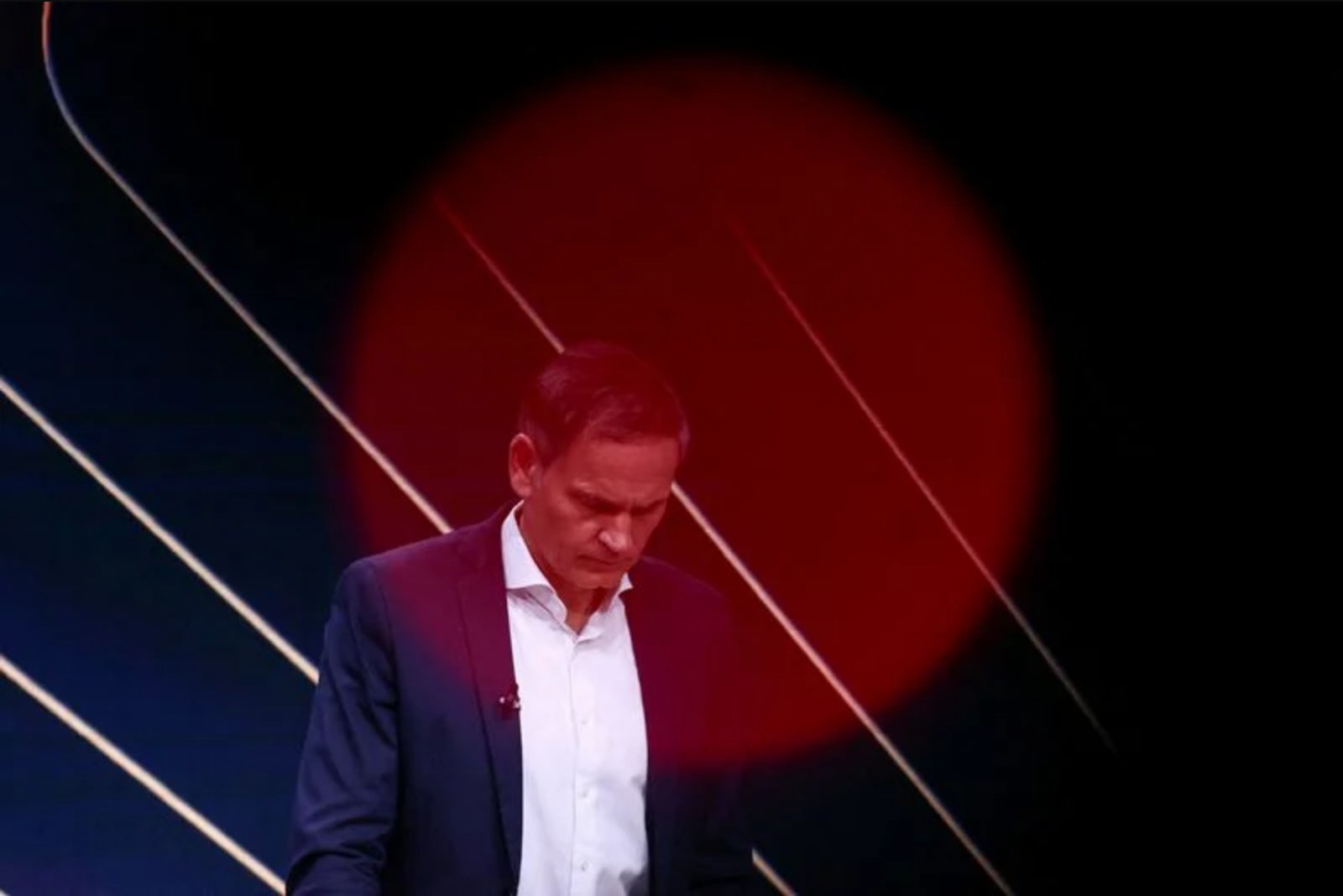
Volkswagen Chief Executive Oliver Blume faces a critical decision this week as the company’s supervisory board gathers in Wolfsburg on July 9 to consider a far-reaching plan that would extend restructuring measures at Europe’s largest carmaker by sales.
The package under review, according to people briefed on the proposals, would go well beyond prior cost reductions and include the closure of four production facilities plus roughly 50,000 extra job cuts. Those measures would be in addition to approximately 50,000 job reductions already planned across the group, reflecting mounting pressure on Volkswagen as it contends with intensifying competition from Chinese automakers, shrinking profit margins and steep U.S. import tariffs on vehicles.
Blume, 58, who has led Volkswagen since September 2022, must convince a supervisory board that includes powerful labour representation to back the changes. The stakes are high: analysts describe the plan as potentially the most substantial structural overhaul in Volkswagen's history, but also warn it will meet fierce opposition from unions and some shareholders who retain the power to block proposals.
What is at issue
The proposals reportedly combine aggressive cost-saving measures with factory closures and a sizable expansion of planned workforce reductions. Independent automotive analyst Matthias Schmidt told Reuters that Blume’s success in getting the plan accepted is roughly a coin toss, estimating a 50-50 chance. Schmidt suggested a possible compromise could involve shuttering two of the four plants under consideration rather than all four.
Blume’s push follows the 2024 restructuring in which Volkswagen agreed to remove 35,000 positions by 2030. That earlier plan was viewed as a concession to influential unions because it explicitly excluded factory closures and compulsory layoffs until the end of the decade.
Investor and governance pressures
Porsche SE, Volkswagen’s largest investor, has urged a broader overhaul of the group’s business model, arguing that simple cost-cutting will be insufficient. Porsche SE has endured tens of billions of euros of writedowns on its core investment and has pressed for more fundamental changes.
At the same time, governance dynamics on Volkswagen’s supervisory board are shifting. The unexpected departure last month of shareholder representative Susanne Wiegand has left labour representatives holding 10 of the board’s 19 seats. That balance reduces the practical power of Chairman Hans Dieter Poetsch to exercise a tie-breaking vote when shareholder and labour representatives are deadlocked.
Industry analyst Ferdinand Dudenhoeffer said Volkswagen’s core dilemma is the tension between higher-cost German production and faster, lower-cost factories in China. "Without the labour union, you can’t take any action," he said, adding that Volkswagen must be reformed but that Germany’s cost base is a major problem. He questioned whether Volkswagen’s future production focus will rest in Wolfsburg or in Anhui province in China.
Labour influence and historical precedent
Trade unions at Volkswagen have no equity stake but wield considerable influence through supervisory board representation. That influence has in the past played a decisive role in leadership outcomes: labour opposition was a significant factor in the departures of Herbert Diess in 2022 and Bernd Pischetsrieder in 2006.
Marc Liebscher of SdK, an association representing smaller Volkswagen shareholders, framed Blume’s responsibility crisply. "Blume is simply the one who’s in charge now, so it’s fair to hold him accountable for the strategies he proposes and whether they’re effective," he said. Liebscher also warned that cost reductions alone are insufficient, stating: "Cost cuts are not a strategy... They’re just delaying the inevitable decline."
Shareholder sentiment
Some institutional investors are urging a more critical review of Volkswagen’s sprawling brand portfolio. Hendrik Schmidt of DWS, representing one of the company’s largest shareholders, argued that the CEO is occupied by short-term crises rather than long-term strategic direction. He noted, however, that the family shareholders remain wary of leadership upheaval and see no obvious alternative to Blume at present. As Schmidt put it, while they may watch the unfolding decisions with "gritted teeth," they also recognize there are "no immediate alternatives at this stage."
Market context
Volkswagen’s shares have been under pressure and are trading near 16-year lows, reflecting investor concern about competitive pressures and profitability. The company is confronting a complex mix of external competition from China, structural cost challenges tied to its German manufacturing footprint, and internal political dynamics that complicate rapid strategic change.
As the supervisory board deliberates, Blume’s ability to secure approval for closures and an expanded wave of job reductions will be a decisive test of his leadership and of the company’s capacity to respond to a rapidly changing global auto market.