
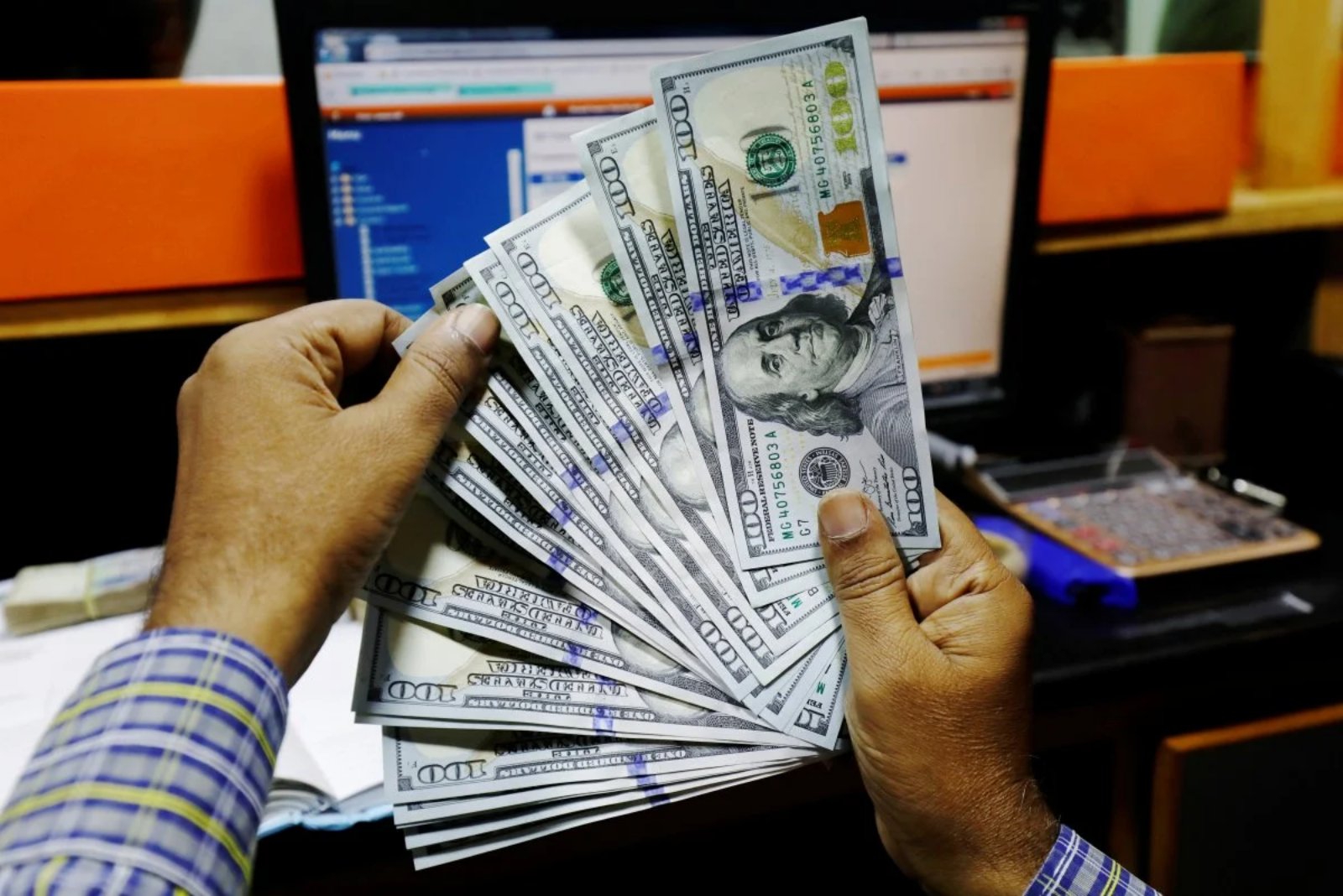
Taipei - Taiwan's central bank confirmed that it intervened in the foreign exchange market in June, reporting a decrease in foreign exchange reserves to $597.15 billion at the end of the month.
In a statement, the monetary authority listed three main influences on the June reserves figure: investment gains, intervention activity and movements in exchange rates against the U.S. dollar. Separately, the bank reported net foreign exchange sales of $12.593 billion during the first quarter.
Eugene Tsai, who leads the central bank's foreign exchange department, explained at a briefing in Taipei that the drop in reserves stemmed from the bank's net selling activity in June combined with a pronounced depreciation among non-U.S. currencies. He said the market interpreted the Federal Open Market Committee's June meeting as relatively hawkish, a view that strengthened the dollar and affected foreign exchange selling prices in the market.
Tsai also offered his view on likely Federal Reserve policy path, saying the Fed will probably keep interest rates unchanged in September, citing easing inflation and what he described as a relatively mild U.S. labor market. He added that should the dollar's momentum moderate, market participants might become more willing to sell foreign currency.
The central bank's statement did not provide additional operational details about the timing or scale of intervention beyond the monthly reserve total and the previously disclosed first-quarter net sales figure. The authority pointed to the combined effects of investment returns, direct market intervention and currency valuation changes versus the U.S. dollar as the factors underlying the June outcome.
Contextual note: The figures and comments above were provided by the central bank and its foreign exchange department head at the Taipei briefing. No further data on daily intervention amounts or specific currency pairs involved were released in the statement.