
Volkswagen’s electric-vehicle joint venture in Anhui province does not have any new models planned for 2027 or 2028, two people with knowledge of the situation said. The pause follows lower-than-expected demand for the ID. UNYX series, which the venture had counted on to attract young, urban buyers after the UNYX marque was introduced in July 2024.
Without additional product in the near term, Volkswagen Anhui is left with a four-car line-up that has underperformed against management’s expectations. The venture’s leadership believed that the current range would be sufficient to establish the brand and generate sales through 2028, one of the people said. Instead, deliveries have fallen short of those internal expectations.
Sales performance and partnerships
To try to jump-start sales, Volkswagen Anhui formed a partnership with Chinese EV maker Xpeng to produce the ID. UNYX 08 SUV. That model went on sale in April, but sales since launch have been well below the targets set by the venture, one of the people said. Overall, the UNYX series sold 11,360 vehicles over January-September, according to data from consultancy ThinkerCar.
An internal document dated late October reviewed by company insiders shows Volkswagen Anhui aims to build 33,000 UNYX series cars this year and describes production volume as "constantly rising" despite difficult market conditions. The same internal planning file sets an "ambitious" target of 128,000 UNYX cars for the following year.
Corporate positioning and China market context
Volkswagen has historically relied on China as a major growth market and led the market for many years before losing ground to domestic competitors such as BYD. The company has cited weak performance in China as a contributing factor to its largest quarterly loss in over a decade. That broader context is compounded by a shrinking Chinese auto market - sales are set to fall by 20% this year from last, according to data from the China Passenger Car Association (CPCA).
In one recent positive data point for the automaker, Volkswagen said it sold a record 28,000 "new energy vehicles" in October, more than four times the number sold in the same month a year earlier. NEVs in the automaker’s reporting include battery-electric vehicles and plug-in petrol-electric hybrids.
Operations, capacity and profitability outlook
Volkswagen Anhui is a nine-year-old joint venture with JAC in which Volkswagen holds a 75% stake. The venture has not yet achieved profitability. Volkswagen’s finance chief, Arno Antlitz, said at a quarterly earnings presentation that the venture is set to break even by 2030.
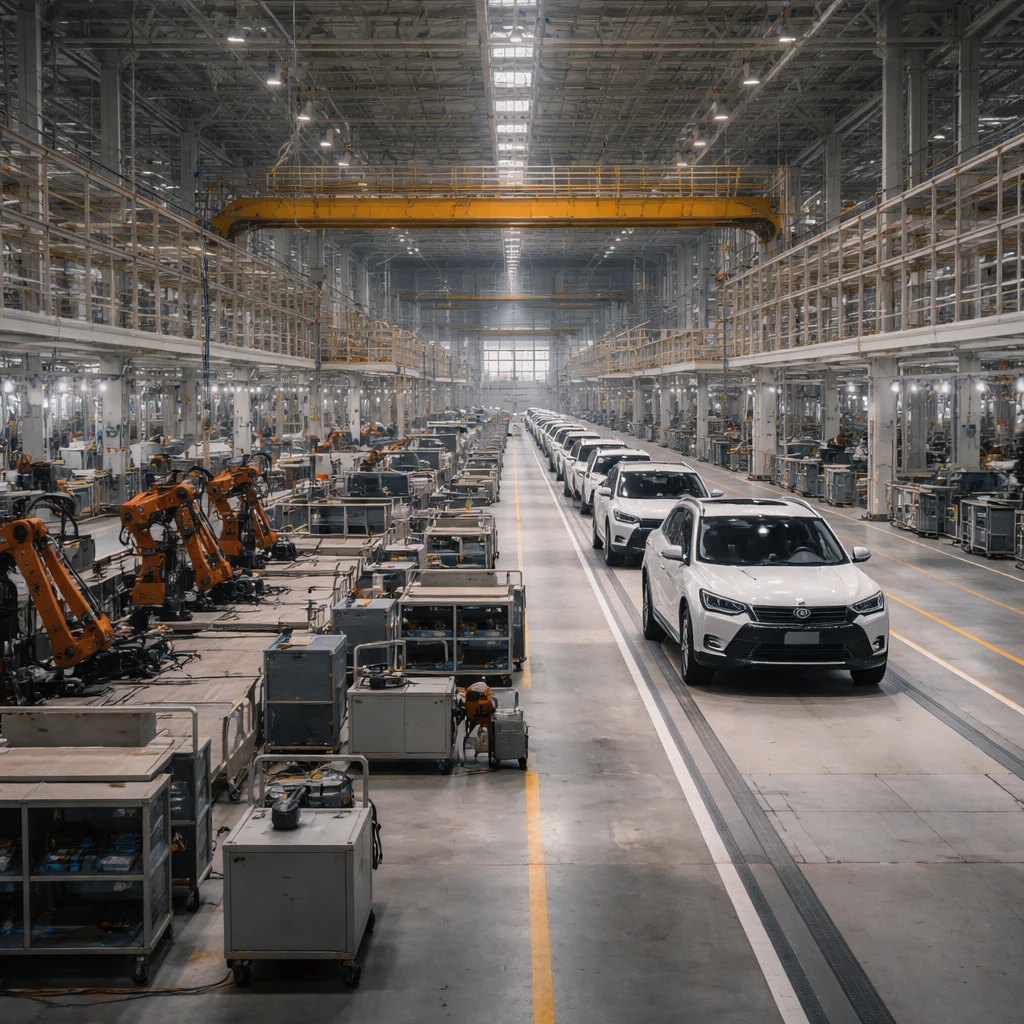
The venture’s multibillion-dollar plant in Anhui is currently operating well below its potential annual capacity of up to 350,000 vehicles, two people familiar with the situation said. That plant also produces Cupra Tavascan SUVs for export, with plans to build about 33,000 units this year, according to the internal document.
Volkswagen China said it is focused on "ramping up and optimising" the Anhui venture’s dealer network to reach more customers and grow sustainably, and declined to comment on product strategy. In a separate statement the company said, "Volkswagen Anhui is in the middle of a product offensive, with four models on the market and a pipeline that continues beyond this year."
Technology partnerships and broader joint-venture footprint
To support a recovery in China, Volkswagen has entered technology collaborations with Xpeng and self-driving chipmaker Horizon Robotics to develop platforms and capabilities that the company says can also be exported. Volkswagen has three Chinese joint ventures in total, with Volkswagen Anhui among them.
Volkswagen China also stated that the automaker plans to introduce 30 new energy vehicle models in China through 2029, including entries from Volkswagen Anhui, and that the company will refresh ID. UNYX models to help keep them competitive.
Unfinished plans and disclosed targets
Volkswagen Anhui had considered developing a crossover utility vehicle for 2028, but that project is also on hold, one of the people said. The lack of new models in the 2027-2028 window had not been previously disclosed by the venture.
For the wider Volkswagen group in China, CPCA data show the automaker sold more than 1.3 million vehicles in the January-September period, a 30% decline versus the same period a year earlier. By comparison, the overall market decline was almost 22% over the same timeframe. Volkswagen China declined to comment on targets included in internal planning documents.
What management says and what remains uncertain
Company management has emphasised dealer expansion and optimisation as a pathway to sustainable growth in China, while signalling that product refreshes and further NEV model introductions remain part of the broader plan through 2029. However, the immediate absence of new model launches for two consecutive years leaves Volkswagen Anhui with a limited product set to compete in a market where competitors often introduce models and variants at a rapid cadence.
The outcome of the current strategy - whether ramped dealer coverage, export-oriented technology partnerships and planned model refreshes will be sufficient to restore demand and improve plant utilisation - remains to be seen.