
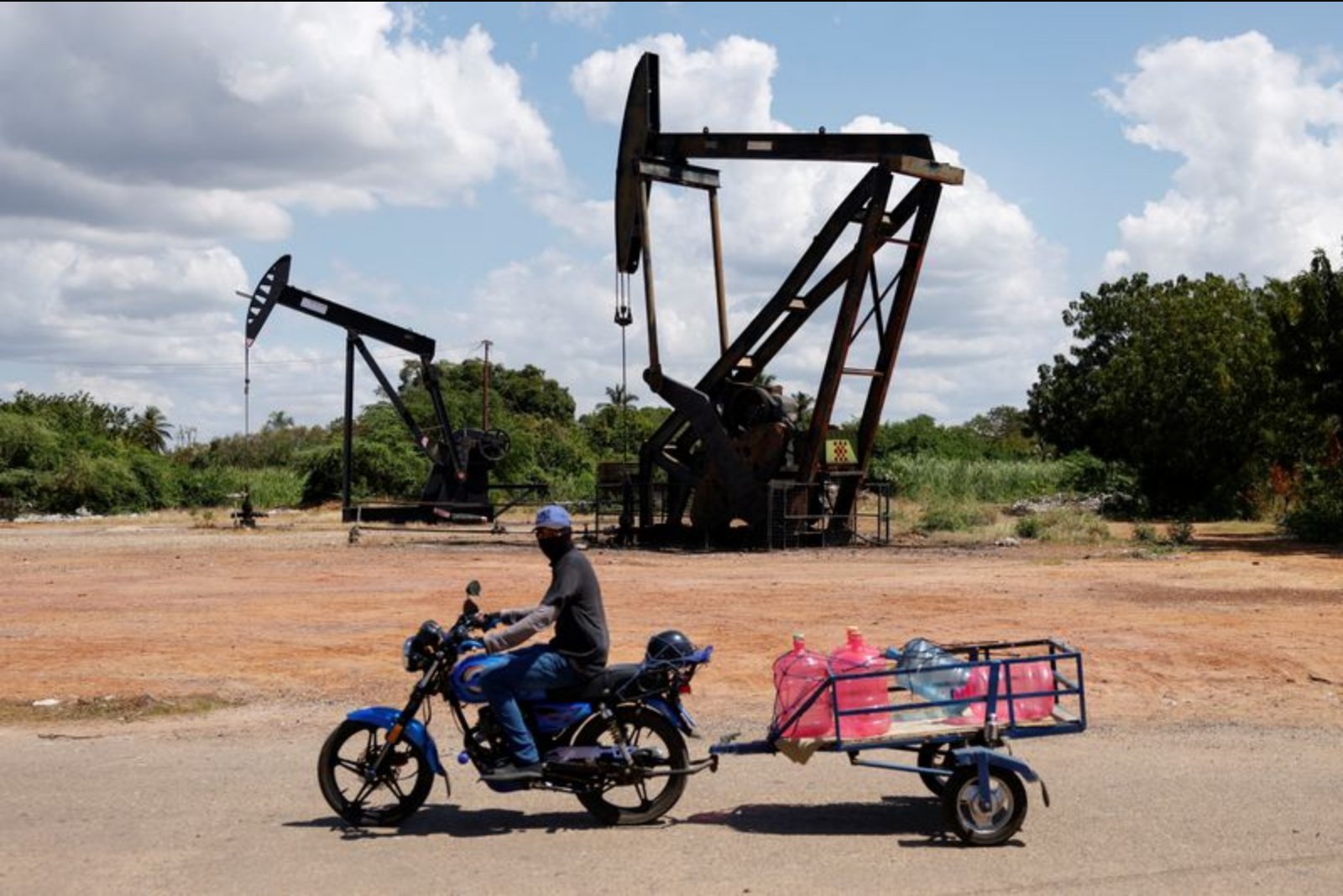
Venezuela on Wednesday initiated a formal restructuring of its public debt and the liabilities of state-owned oil firm PDVSA, saying the move is intended to deliver meaningful relief from obligations it deems unsustainable. The government framed the exercise as a "comprehensive and orderly" overhaul that will encompass both sovereign bonds and PDVSA paper, with any easing of debt burdens targeted at social welfare, inclusive growth and job creation.
The statement announcing the effort said Caracas plans to present a macroeconomic framework together with a public debt sustainability analysis to the international financial community next month. The government also disclosed that it has retained Centerview Partners to act as its financial adviser in the process. The statement did not, however, include specifics on a restructuring timetable, how creditors will be engaged or the particular terms the country intends to seek.
Venezuela remains among the largest sovereign defaults globally. The country and PDVSA together have about $60 billion of bonds currently in default. Analysts cited in the announcement estimate that when arbitration awards, accrued interest and other obligations are included, total liabilities could exceed $150 billion.
The South American oil exporter has missed external debt payments since 2017, and the government said in its release that although Venezuela had historically shown solvency and a willingness to meet obligations, its capacity to pay was constrained from 2017 onward by financial sanctions.
Market reaction
Following the declaration of a restructuring process, PDVSA bonds moved higher. The PDVSA 2027 bond rose by nearly 2 cents to 41.125 cents on the dollar, while the 2024 paper climbed 1.75 cents to 41.625 cents on the dollar.
Observers noted the announcement as a positive step toward formal engagement with creditors, though details needed to underpin confidence remain pending.
Analyst comments
Pramol Dhawan, head of PIMCO's emerging markets portfolio management team, said: "We welcome the Republic's willingness to engage with bondholders and address its financing needs. After nearly a decade in default, a formal restructuring process is an important step forward. Any durable resolution will need to be comprehensive and anchored by a credible macroeconomic framework to give creditors confidence in Venezuela's capacity to service restructured obligations."
Shamaila Khan, head of fixed income for emerging markets and Asia Pacific at UBS, commented: "This development is broadly in line with our expectations. Macro and policy fundamentals have been improving, and we have long viewed a sovereign and PDVSA restructuring as increasingly likely in the near term."
Process context and next steps
The statement did not indicate how the government plans to open creditor engagement or the negotiation mechanics. The Venezuela Creditor Committee, a formal group of bondholders, did not immediately respond to requests for comment. The government said it expects to deliver its macroeconomic plan and debt sustainability analysis next month, which will be a key input for any creditor deliberations.
Separately, the release noted recent developments in U.S. policy: last week the U.S. Treasury issued a license permitting firms to assist in a potential Venezuelan debt restructuring, although additional measures would be required for a full overhaul to occur.
Implications
The undertaking encompasses significant public and energy-sector liabilities and, if carried through, would be a major event for sovereign debt markets linked to Venezuela and for holders of PDVSA securities. The announcement signals an intent to shift the country toward a negotiated solution, but the lack of timetable and term details leaves the path and pace of any relief uncertain.