
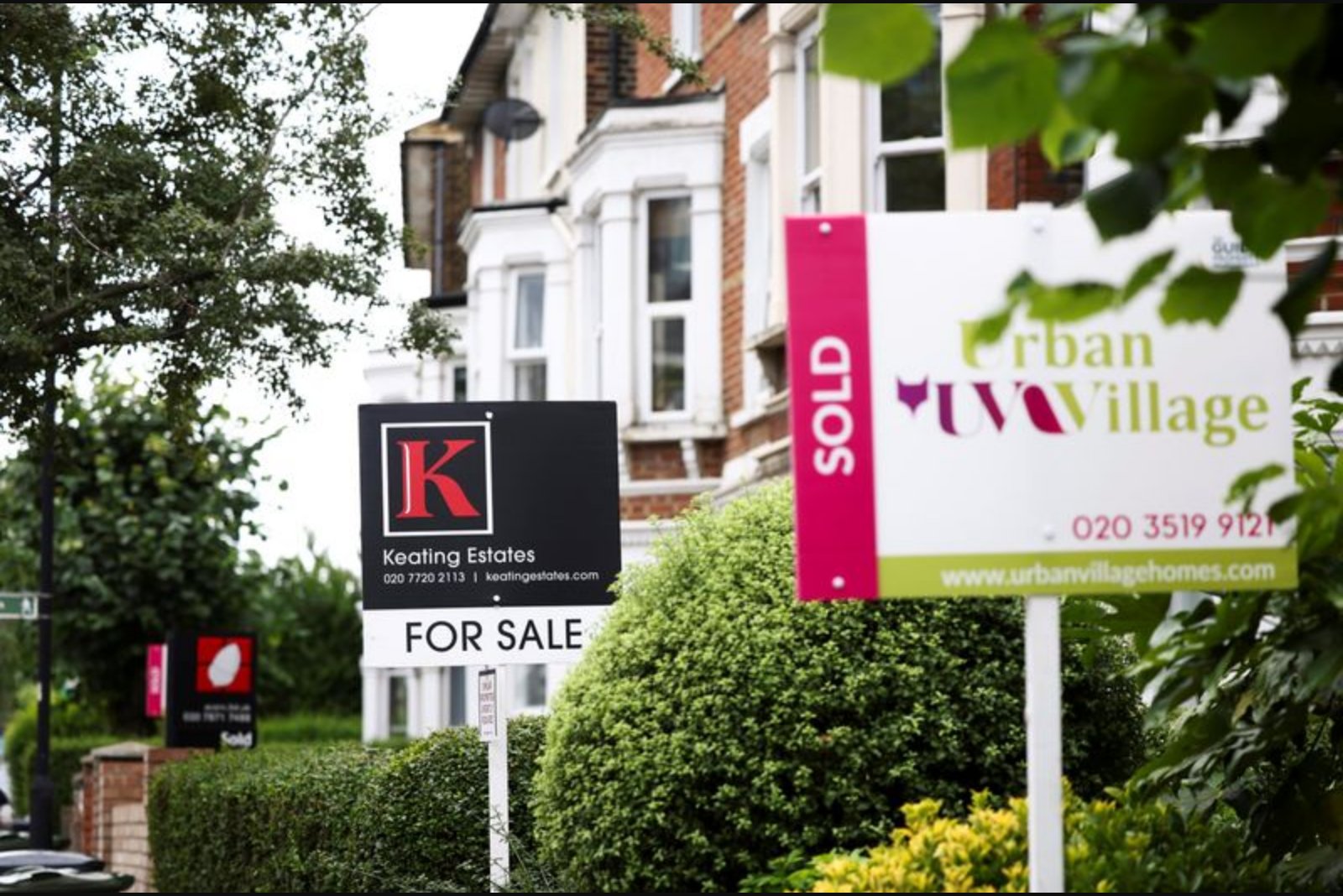
The latest data from the Royal Institution of Chartered Surveyors (RICS) suggests that the outlook for the United Kingdom's residential property market remains bleak. The survey indicates that buyer sentiment was negatively impacted last month by a combination of rising mortgage rates and the economic consequences of the Iran war.
A critical metric in the report, the headline net balance of house prices, fell to -34. This is a downward shift from March's revised figure of -25 and marks the sharpest decline in price sentiment since November 2023. Although there were slight upticks in the gauges for price expectations and new buyer inquiries throughout April, these metrics continued to demonstrate underlying weakness.
This RICS data adds to a landscape of market uncertainty, particularly as different indicators from mortgage lenders Nationwide and Halifax moved in opposing directions during the same period.
Tarrant Parsons, the head of research and analysis at RICS, noted that recent warnings from the Bank of England have intensified the difficulties for prospective homeowners. The central bank has indicated that interest rate increases may be necessary to address renewed inflation, which is being fueled by disrupted supply chains and elevated oil prices. Parsons suggested that until a more defined trajectory for borrowing costs and inflation becomes evident, market activity and sentiment are likely to stay subdued. He specifically highlighted that affordability pressures are most severe in London and across southern England.
The broader financial environment is also reacting to expectations surrounding central bank policy. On Wednesday, financial markets priced in the possibility of two to three quarter-point interest rate hikes by the Bank of England before the conclusion of the year. Because investor expectations regarding these rates are a primary driver of mortgage pricing, this creates a challenging cycle for buyers.
In the rental sector, April saw a continued rapid increase in rents. While landlord instructions experienced a contraction, the rate of that contraction was less pronounced than what was observed in March.
Key Economic Indicators and Market Impacts
- House Price Sentiment: The sharp drop to a -34 net balance indicates a significant cooling in the property market, impacting real estate valuation and transaction volumes.
- Mortgage Rate Trajectory: Expectations of multiple quarter-point hikes by the Bank of England are influencing mortgage rates, directly affecting consumer purchasing power in the housing sector.
- Rental Market Dynamics: Rapidly rising rents and fluctuating landlord instructions highlight continued volatility within the residential leasing market.
Identified Risks and Uncertainties
- Inflationary Pressures: Elevated oil prices and supply chain disruptions pose a risk of renewed inflation, which may necessitate further interest rate hikes by the Bank of England.
- Affordability Constraints: Acute affordability pressures, particularly in London and southern England, create localized risks for housing market stability and demand.
- Geopolitical Economic Fallout: The economic impact of the Iran war remains a contributing factor to the current downbeat sentiment in the British market.