
Major U.S. retailers have accelerated their back-to-school promotions this year, turning what once was a concentrated late-summer shopping window into an extended summer sales period. Amazon.com, Walmart, Target and Best Buy launched discounts on backpacks, electronics and other school necessities earlier than usual, and Prime Day-style events are now serving as an unofficial opening salvo for bargain hunters.
The shift toward earlier promotions reflects both retailer strategy and consumer behavior. Households facing higher everyday bills are increasingly scanning sales across multiple categories, from backpacks and lunch gear to electronics and dorm supplies. At the same time, items popularized on social platforms are influencing purchases, with children often directing buying choices.
Parents are hunting for deals on both practical and trend-driven items. Popular basic and fashion items cited by shoppers include customizable pencil cases, erasers and bento lunch boxes, alongside brand-name backpacks such as JanSport and North Face Borealis, insulated bottles from Stanley and Owala, and dorm accessories that have gained traction on TikTok and Instagram.
"With the kind of higher gas prices and higher food prices, I am definitely more aware of how I am going to spend my money heading toward back-to-school. I tend to be a consumer who chooses wisely versus just shops for a lot of things," said Julie Kelley, founder of a media consulting company in Vermont with an 11-year-old son.
Retailers and promotional timing
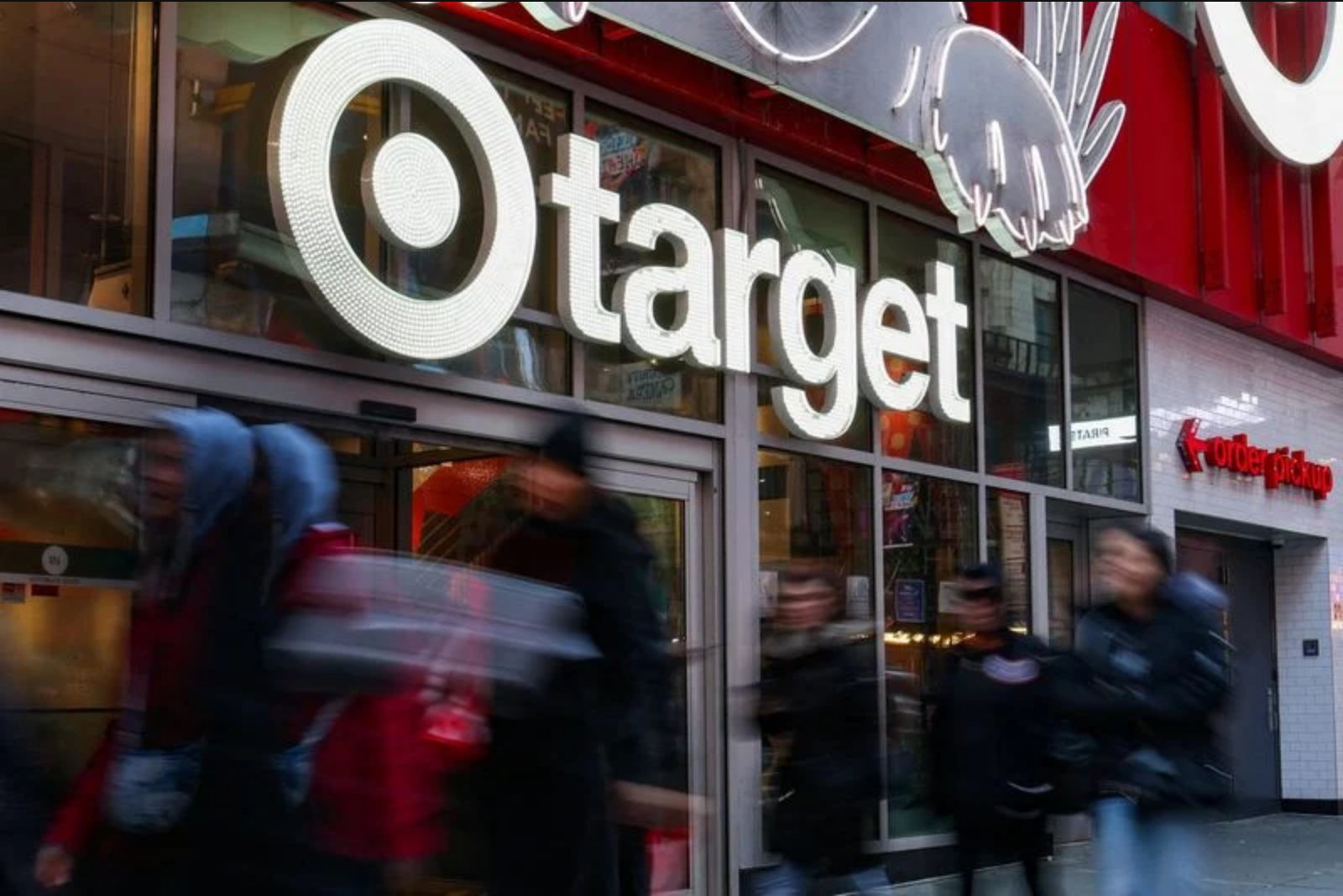
Retailers are using a range of tactics to capture budget-conscious shoppers earlier in the season. Target said its June sales event gave customers a chance to purchase trending back-to-school merchandise ahead of the traditional rush. Amazon noted it had deals across its back-to-school and college categories but declined to provide further detail. Walmart staged a four-day deals event that included small appliances aimed at students in dorms as well as bulk classroom supplies targeted at teachers.
Walmart also plans to stock additional back-to-school items closer to the academic calendar, with replenishments scheduled from mid-August through early September. That timing, analysts say, presents an opportunity for retailers to emphasize value on less trend-sensitive items as the school start date approaches.
"That’s the time then for retailers to make a value play on the less trendy items," said Jeffrey Degner, a research fellow at the American Institute for Economic Research. "We’re going to see a lower-margin timeframe when it comes to August and September."
Spending patterns and digital trends
Spending forecasts and metrics from industry analysts underline how important the back-to-school season remains to the broader retail landscape. PwC estimates families will spend about $922 on average on back-to-school shopping this year, roughly 47% more than in 2025, though part of that increase reflects higher prices linked to the Iran war. The back-to-school period represented about 2.3% of total annual U.S. retail sales, with approximately $128.2 billion spent in 2025, according to the NRF.
Children’s preferences are exerting a growing influence on purchases. Kelly Pedersen, PwC’s global retail leader, said about 61% of households plan to let their children add products directly to online shopping carts after discovering them on social media.
Digital channels continue to displace in-store purchases. PwC expects the share of consumers planning in-store back-to-school purchases to fall to about 70% this year from 79% last year. Morgan Stanley reported that Amazon and Walmart together accounted for roughly 71 cents of every new dollar spent online in 2025, as both companies expanded delivery options and broadened assortments to capture shoppers.
Data from Adobe Analytics showed that discounts were particularly pronounced for electronics and apparel during Prime Day promotions in late June, categories that have faced uneven demand as household budgets tightened.
Implications for retailers and consumers
The combination of earlier promotions, stronger digital penetration and social-media-driven preferences means the back-to-school season is stretching over a longer period. For retailers, that raises questions about inventory timing and margin management as value-focused promotions in August and September could compress profitability on lower-priced essentials. For consumers, early deals offer relief from rising everyday costs, though budgets remain constrained by pricier food and fuel.