
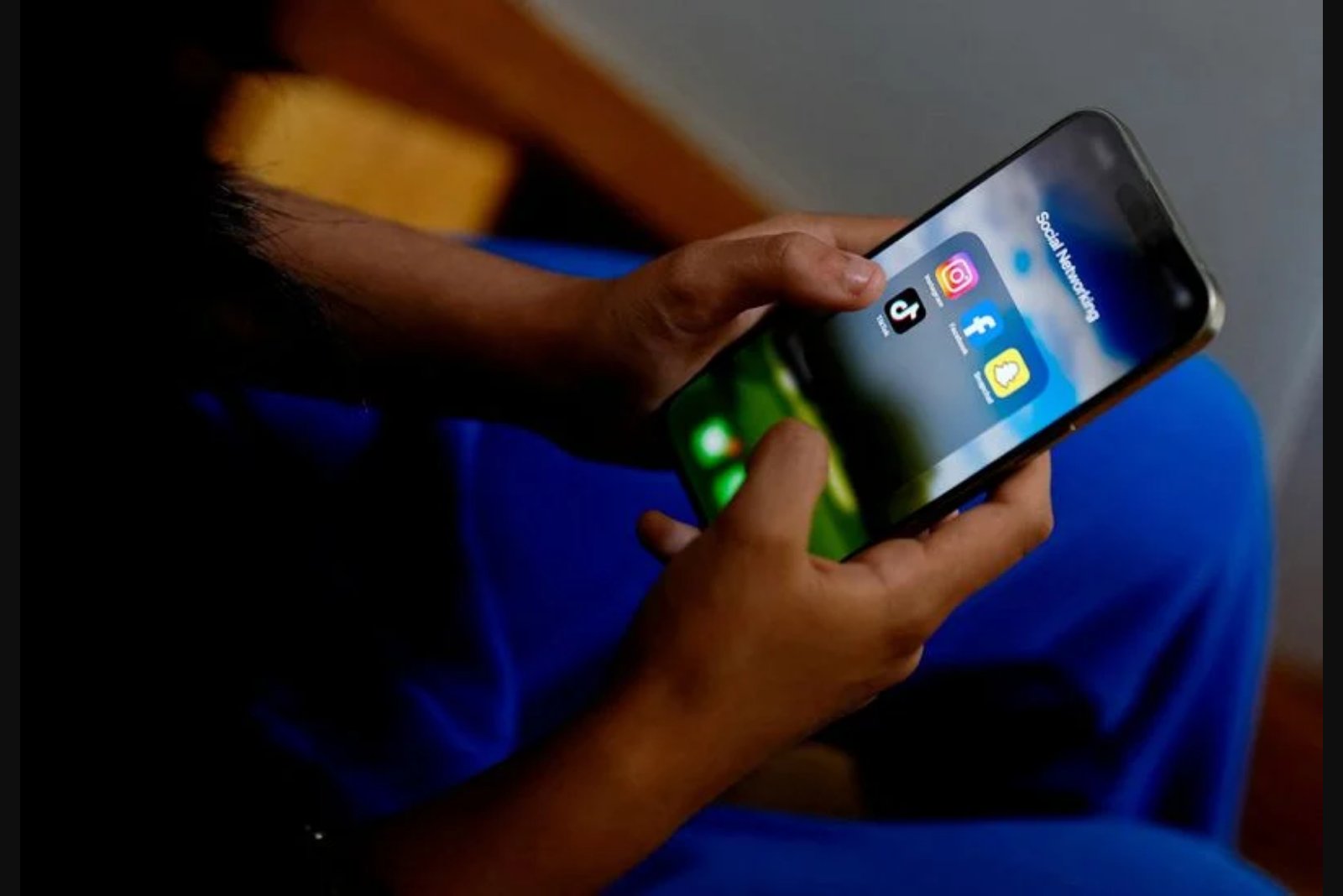
Australia’s unprecedented legal requirement that social media platforms prevent children under 16 from holding accounts is encountering a critical shortcoming at the initial vetting stage, according to a follow-up study by the team that advised the government on the rollout. The researchers report that platforms are not routinely requesting age verification when accounts are initially created, a lapse that undermines the intended protections of the law.
The national measure, which has been in effect since December, requires operators of popular services such as Instagram, Snapchat and YouTube to take "reasonable steps" to block under-16s. The government has recommended platforms use a layered approach - multiple checks to confirm age - but the new study indicates the first layer of defence is not working as intended.
Researchers who had run a 2025 trial of age-assurance software for more than 1,000 Australians said they opened 50 test accounts after the law came into force and declared the age on each as 16. None of those accounts were asked to provide proof of age or to use formal age-assurance measures, the team told Reuters.
The finding highlights a largely overlooked gap: current attention has focused on the reliability of photo-based age-assurance tools, yet the preliminary stage - age inference based on general online behaviour and other low-friction indicators - appears not to be flagging likely underage users for escalation to stronger checks.
"You should be asked to demonstrate how old you are, and not once have we been asked to verify our age or use age-assurance measures," said Andrew Hammond, director at KJR, the firm that conducted the original trial in 2025.
All 50 of the test accounts remain active and were spread across nine of the 10 platforms that fall under the age-restriction law, Hammond said. The dummy accounts attracted targeted advertising in some cases; several received ads for youth banking products, which Hammond cited as evidence that the platforms had registered the accounts as belonging to younger users. One account created on X and declaring the user was 16 was reportedly served pornographic content.
The follow-up testing found that none of the large international platforms allowed sign-ups when the account declared an age under 16. However, only one service - Australia-based live-streaming platform Kick - refused to allow account creation without proof of age, the study reported.
Meta declined to accept the testing firm’s characterization of its practices. A Meta spokesperson said the shadow trial seemed inconsistent with regulator guidance, which the company said focuses escalation to formal verification when behavioural indicators suggest an account may be underage or when an account is reported. Meta added that the dummy accounts in this study had been declared over the minimum age and it was not clear whether those accounts had behaved in ways a genuine under-16 would.
Snap and TikTok declined to comment. Google and X did not respond to requests for comment. A Kick representative said relying on age inference was not feasible for a new platform that lacks sufficient data to make reliable guesses about user age.
The eSafety commissioner, the regulator overseeing the law’s implementation, said it remains confident that age-restricted platforms possess the technology and resources necessary to prevent Australian children under 16 from opening accounts. The regulator reiterated that the recommended approach of progressively stronger checks - if correctly implemented - is intended to avoid a single point of failure.
Critics have repeatedly questioned elements of the rollout and the original trial. An initial government claim that the ban had eliminated roughly 4.7 million suspected underage accounts within a month has been followed by sustained reporting of non-compliance. By March, the government warned it might pursue enforcement lawsuits against five platforms, and last month it doubled the maximum fine, saying platforms had effectively set the ban up to fail.
Platforms have defended their approach, saying they follow the regulator’s guidance which prioritises low-friction checks at first contact. They note the law disallows sole reliance on government-issued identification due to privacy concerns.
Advisers to the original trial say its design did not adequately test real-world circumvention techniques, such as under-16s entering false birthdates. Colm Gannon, Australia CEO of the International Centre for Missing & Exploited Children and an adviser to the project, said he had repeatedly sought to raise concerns about the lack of circumvention testing but was told that was outside the trial’s scope. "What we are now seeing is that circumvention has become the go-to by young people," he said.
Amanda Third, a youth digital rights academic who advised the trial and who is now involved in a two-year regulator study into the ban’s impacts, said platforms were expected to begin by focusing on accounts self-declared as underage and then escalate to age-inference methods by mid-year. She suggested the next phase of data collection may produce stronger statistics if platforms move to more intensive checks.
The follow-up study’s findings indicate a tension between the regulator’s staged approach and real-world behaviour: low-friction vetting can reduce barriers for lawful users but may also leave the law vulnerable to systematic circumvention. As enforcement becomes more active - with higher fines and potential court action - regulators, platforms and advisers will need to show whether layered age-assurance procedures can be implemented in ways that reliably catch and escalate likely underage accounts without overreliance on any single verification method.