
Stock Markets July 1, 2026 12:21 AM

South Korea Posts Largest Export Gain Since 1978 as Chip Shipments Soar

Record monthly exports and a historic trade surplus driven by semiconductor demand; government and industry commit to major chipmaking investments

By Nina Shah
Share
Twitter Reddit Facebook LinkedIn

South Korea recorded its biggest annual export increase in nearly half a century in June as semiconductor shipments surged. Exports climbed 70.9% year-on-year to a monthly record of $102.25 billion, while imports rose 30.1% to $66.10 billion, producing a trade surplus of $36.15 billion. Chip exports alone hit a new monthly high of $44.82 billion. The data comes alongside plans by the government and major memory-chip firms to invest more than 800 trillion won in new manufacturing capacity.

South Korea Posts Largest Export Gain Since 1978 as Chip Shipments Soar
Summarize with
ChatGPT Perplexity Claude Grok Gemini

Key Points

  • Exports jumped 70.9% year-on-year to a monthly record of $102.25 billion in June, the fastest expansion since October 1978.
  • Semiconductor exports reached a monthly record of $44.82 billion, roughly triple the year-earlier level, driven by sustained global AI infrastructure demand.
  • Imports rose 30.1% to $66.10 billion, generating a trade surplus of $36.15 billion, up from a revised $27.04 billion in May; government and industry plan more than 800 trillion won in new chip investments.

South Korea's goods exports expanded at the fastest rate since 1978 in June, according to preliminary figures published by the Ministry of Trade, Industry and Resources. Total outbound shipments rose 70.9% from the same month a year earlier, reaching a record $102.25 billion for the month.

The June reading follows a revised 53.4% increase in May. Imports for June advanced 30.1% to $66.10 billion, leaving a trade surplus of $36.15 billion. That surplus surpassed the $30 billion threshold for the first time, and compares with a revised surplus of $27.04 billion in May.

The ministry identified semiconductors as the central force behind the export surge. Exports of chips reached a new monthly record of $44.82 billion in June, roughly triple the level recorded a year earlier, as heightened global demand linked to artificial intelligence infrastructure continued to support shipments.

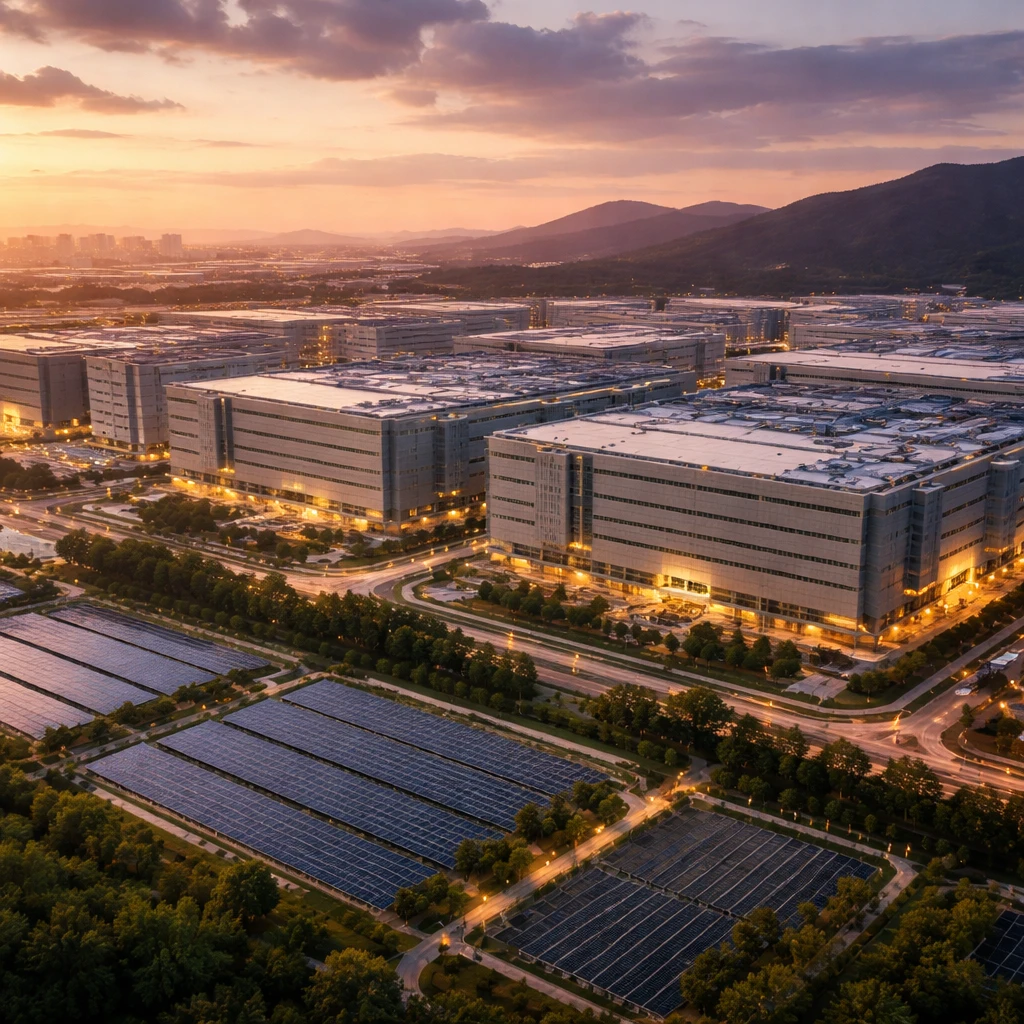
The trade figures arrive in the context of a major investment announcement from the South Korean government together with leading memory-chip manufacturers Samsung Electronics and SK Hynix. The parties said they would invest more than 800 trillion won, roughly $520 billion, to build new chip-making facilities in southwest Korea. This investment is described as part of a broader initiative by President Lee Jae Myung to boost semiconductor industry and AI infrastructure spending.

June's export performance set several records in dollar terms and reflected a pronounced concentration in semiconductor shipments. While the ministry's preliminary numbers highlight the outsized role of chips in driving headline growth, they also show elevated import activity compared with last year. The resulting trade surplus widened substantially month-to-month.

Policy and industry commitments to large-scale capital expenditure on chip capacity were announced alongside the trade data. The stated investment size is intended to expand production capabilities for memory chips and related AI infrastructure components in southwest Korea.


Summary

South Korea's exports reached a monthly high of $102.25 billion in June, up 70.9% year-on-year, led by record semiconductor shipments of $44.82 billion. Imports rose 30.1% to $66.10 billion, producing a $36.15 billion trade surplus. The government and major memory-chip manufacturers plan investments exceeding 800 trillion won to expand chip-making capacity in southwest Korea.

Risks

  • Concentration of export growth in semiconductors could expose South Korea's external sector to sector-specific demand fluctuations - this mainly impacts the technology and semiconductor industries.
  • Rising imports alongside rapid export expansion may reflect broader input needs for production, which could add pressure to supply chains and industrial inputs - this affects manufacturing and trade balances.
  • Large-scale investment commitments carry execution risk and time horizons that may influence industry capacity and financial planning - this impacts capital investment and corporate finance in chipmakers and related suppliers.

More from Stock Markets

Goldman Sachs reshuffles European Conviction List, adds TGS and Halma while dropping Bayer, AB InBev and Deutsche Telekom Jul 1, 2026 Taiwan market closes higher as biotech and chemical stocks lead gains Jul 1, 2026 Jefferies Upgrade Sparks Buying in Weichai Power; Shares Rise on Analyst Confidence Jul 1, 2026 Agrana posts weaker-than-expected Q1 revenue as sugar volumes fall, but EBIT rises Jul 1, 2026 Coles Shares Slide Sharply as Talks With TPG Over Greencross Surface Jul 1, 2026