
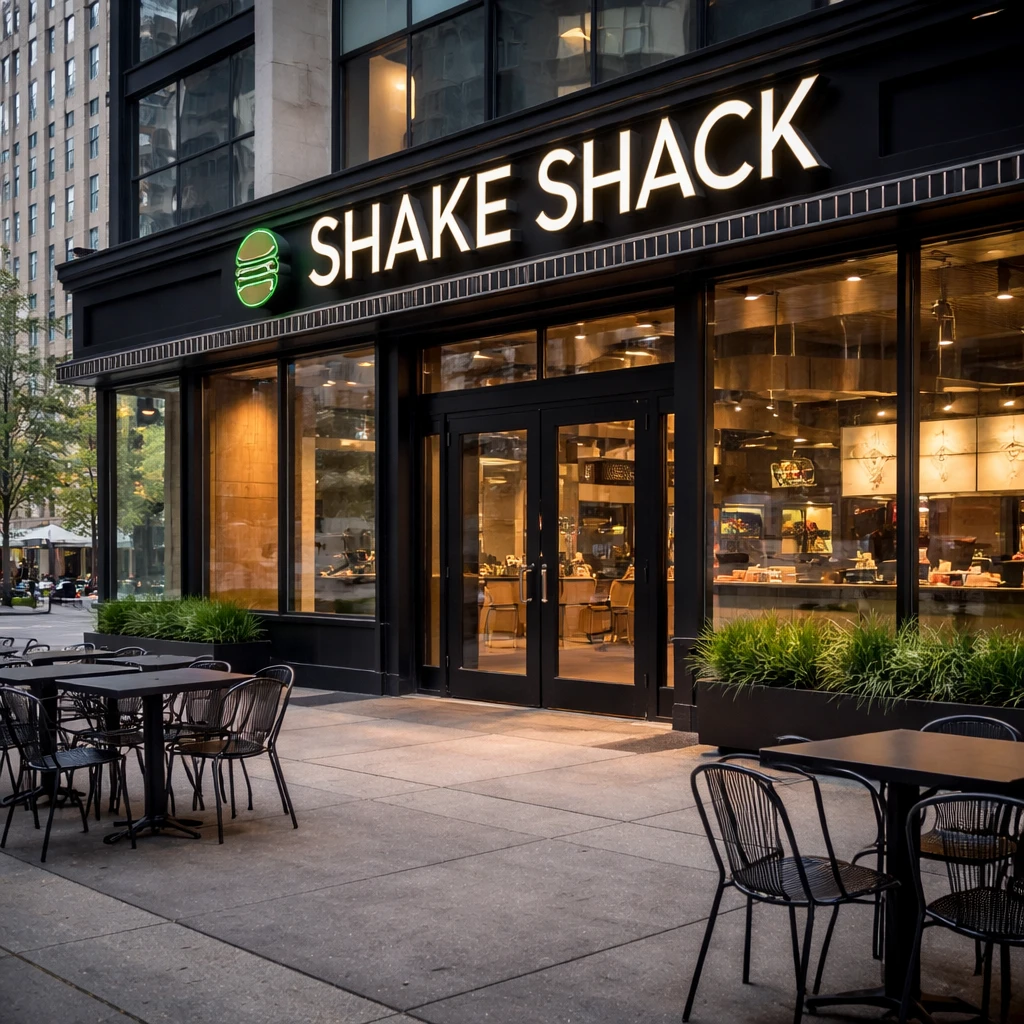
Shake Shack Inc. shares slipped 1.8% in pre-market trading to $56, extending losses from the previous session after the company issued a broad revision to its outlook on June 2, 2026, ahead of forthcoming investor conferences.
Management narrowed its Q2 2026 total revenue forecast to a range of $415 million to $420 million, down from the prior view of $424 million to $428 million. The company also trimmed its same-shack sales growth guidance to 2.5% to 3.0% from an earlier 3.0% to 5.0% projection. Restaurant-level profit margins for the quarter were reduced to a range of 22.0% to 23.0%, versus the previous 24.0% to 24.5% target.
CEO Rob Lynch attributed the cuts to "the current macroeconomic uncertainty, competitive landscape, and related impacts now that we are more than two-thirds through the quarter." The comment accompanied the tighter outlook and was cited by management as the basis for the revisions.
The guidance adjustment prompted a rapid response across Wall Street. Morgan Stanley downgraded the stock from Overweight to Equalweight and cut its price objective to $76 from $115, noting this marked the second consecutive guidance reduction in a short period. Raymond James followed by lowering its rating to Outperform from Strong Buy and trimming its target to $85 from $125, pointing to intensified beef and energy inflation as drivers of meaningful year-over-year margin pressure.
Wells Fargo reduced its price target to $65 from $80, citing delivery fuel surcharges, tourism softness and beef cost volatility as additional headwinds. Guggenheim and DA Davidson also lowered their respective targets. In total, at least 21 analysts have now revised earnings estimates lower for the upcoming period.
The broader U.S. equity market offered limited support on the day, with the S&P 500 up roughly 0.1%, the Dow Jones Industrial Average adding 0.5% and the NASDAQ largely unchanged. Within that environment, the fast-casual restaurant sector continues to grapple with cautious consumer spending, commodity cost pressures and heightened competition - factors that have contributed to two consecutive guidance reductions for Shake Shack following a disappointing Q1 2026 earnings report in early May.
Taken together, the second straight guidance cut, a wave of analyst downgrades and price-target reductions, and a stock trading near its 52-week low of $54.71 - a steep decline from its 52-week high of $144.65 - have created a challenging pre-market backdrop for SHAK. Until the company can show stabilization in margins and a return to its prior sales growth trajectory, investor confidence is likely to remain under pressure.
For now, market participants are watching whether management can reverse the factors identified in its outlook revision and whether the company will regain momentum ahead of upcoming investor engagements.