
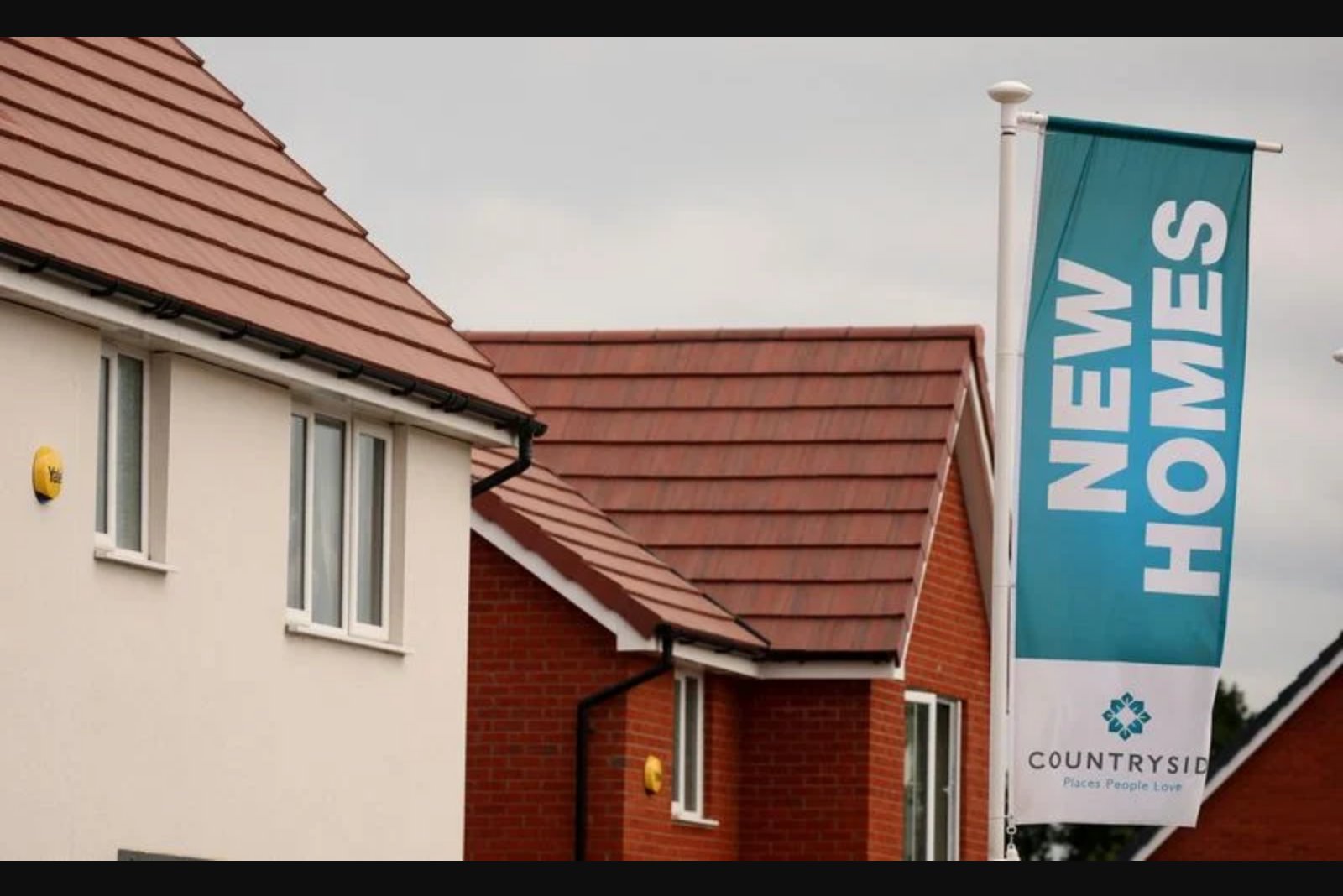
LONDON, June 5 - British house prices recorded an unexpected dip in May, according to figures published by mortgage lender Halifax on Friday. Halifax said prices fell 0.1% month-on-month in May, matching the drop seen in April and marking the third straight monthly decline.
The monthly outcome contrasted with forecasts from a poll of economists that had expected a 0.1% increase for May. On a year-on-year basis, Halifax reported that prices were 0.5% higher, a pace that falls short of the 1.0% rise predicted in the same poll.
Amanda Bryden, head of mortgages at Halifax, linked the pattern in property prices to geopolitical uncertainty. "Property price trends continue to reflect the uncertainty linked to developments in the Middle East," she said. Bryden added that, despite recent reductions in mortgage rates, "higher inflation expectations have kept borrowing costs above the level seen at the start of the year, continuing to stretch affordability for many buyers and temper demand."
The Halifax findings align with other industry data. Rival lender Nationwide reported in May its first monthly fall since the start of the Iran war, while survey results from the Royal Institution of Chartered Surveyors showed declines in both house prices and buyer demand in April.
Average mortgage rates across Britain have risen by almost a full percentage point since the onset of the U.S.-Israeli war on Iran, a development the Halifax cited as contributing to strained affordability. The conflict has shifted market expectations around monetary policy, increasing the likelihood that the Bank of England will raise interest rates later this year rather than move to cut them.
Investors currently price in one or possibly two quarter-point rate rises by the Bank of England by the end of 2026, but place only about an 11% probability on a decision to raise rates at the central bank’s next meeting on June 18.
Despite the pressures on prices and demand, mortgage activity showed pockets of resilience. Data from the Bank of England released on Tuesday indicated that lenders approved the most mortgages in 15 months in April, suggesting lending appetite remained elevated even as affordability deteriorated for many prospective buyers.
Taken together, the data paint a picture of a housing market under strain from higher borrowing costs and geopolitical risk. Monthly price falls recorded by Halifax and other institutions point to cooling momentum, while the divergence between strong mortgage approvals in April and weakening price trends highlights a market grappling with affordability and uncertainty at the same time.