
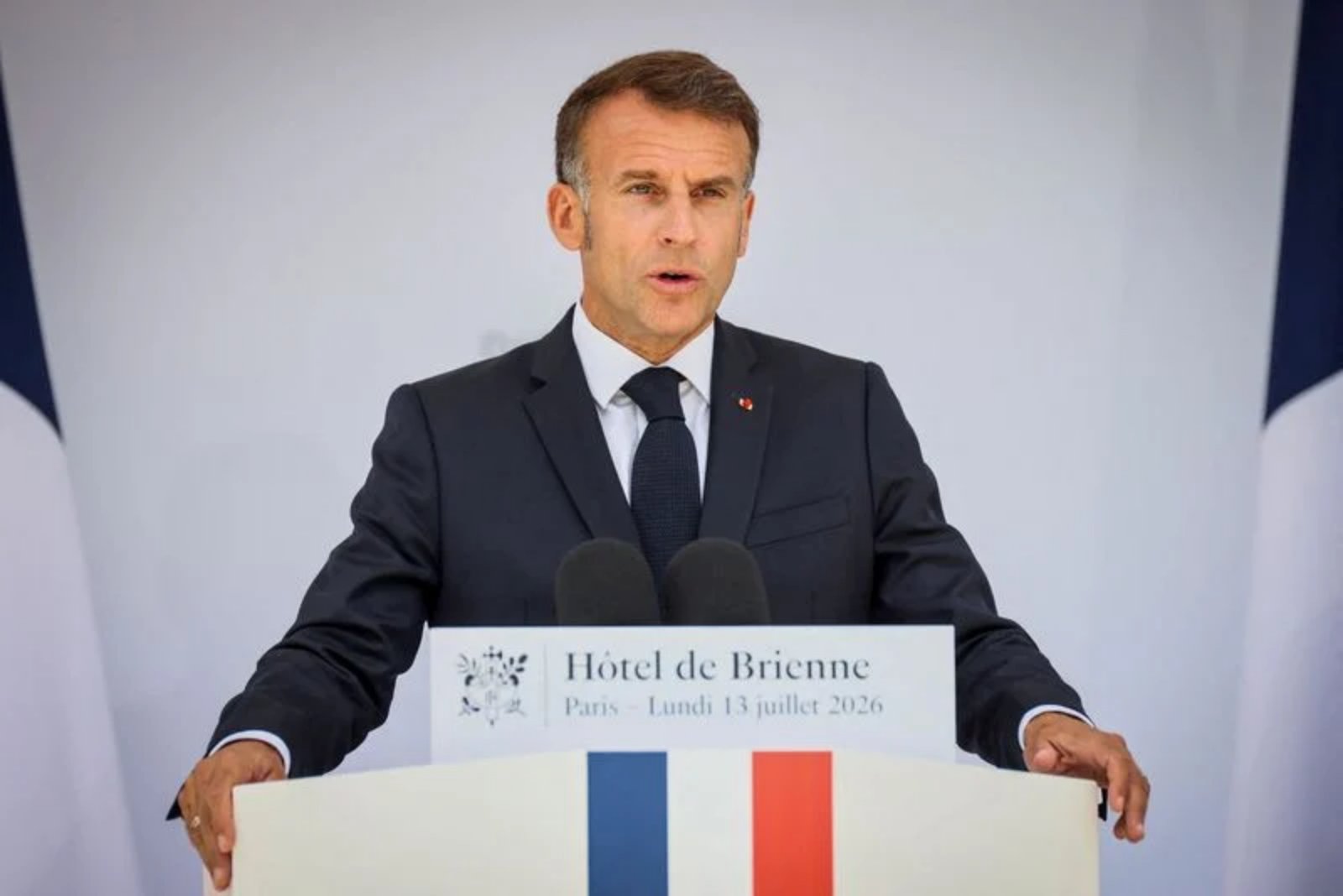
PARIS, July 13 - President Emmanuel Macron used his annual address to France's armed forces to warn against what he described as the folly of national, solitary defence policies at a moment when European states are increasing military expenditures.
Macron delivered his remarks a month after the breakdown of the Franco-German effort to build a next-generation fighter jet, a project that collapsed following months of deadlock between defence companies. He framed that industrial friction as an example of how fragmentation can create longer-term setbacks for collective rearmament efforts.
"Every time we create fragmentation, we may feel good in the moment, but we are creating the delays of tomorrow. Every time we pander to nationalism, in France or elsewhere, we misunderstand our own history. Patriotism, yes; nationalism, never," he said. He added: "At a time when Europe is rearming, to think that the course of history lies in each of us separately accumulating capabilities is an absurdity."
Macron said he "deeply regretted" the failure of the FCAS fighter jet programme, which involved Airbus as the German representative and France's Dassault Aviation. He urged both national governments and defence manufacturers to avoid creating duplicate capabilities and to pursue cross-border industrial projects where feasible, citing Franco-German tank maker KNDS as an example of the kind of collaboration he supports.
The speech also reflected growing unease within France about the pace at which Germany is expanding its defence budget. French officials are concerned that Germany's rapid spending increases could translate into additional competition in sectors where France has traditionally held strengths.
Macron took a moment to note that he had fulfilled a pledge made at the start of his first term to double France's defence budget over a decade. At the same time, he made clear that the country’s defence industrial base must accelerate production to satisfy surging domestic and international demand.
"When it comes to drones, air defence systems, missiles and ammunition, we are not producing quickly enough and we are not producing at sufficient scale," he said, directly challenging French arms manufacturers to raise output and speed if they are to meet the needs of an increasingly rearmed Europe.
Context and implications
Macron positioned his remarks against a backdrop of heightened military spending across Europe, driven in part by the perceived threat from Russia and by pressure from the United States for allies to increase defence investment. He argued that nationalistic, isolated approaches to capability building risk prolonging delays and weakening collective readiness.
His call for greater industrial cooperation comes after a high-profile breakdown in a major multinational defence programme and amid shifting spending patterns within the continent, developments that could influence competitive dynamics among European defence contractors.