
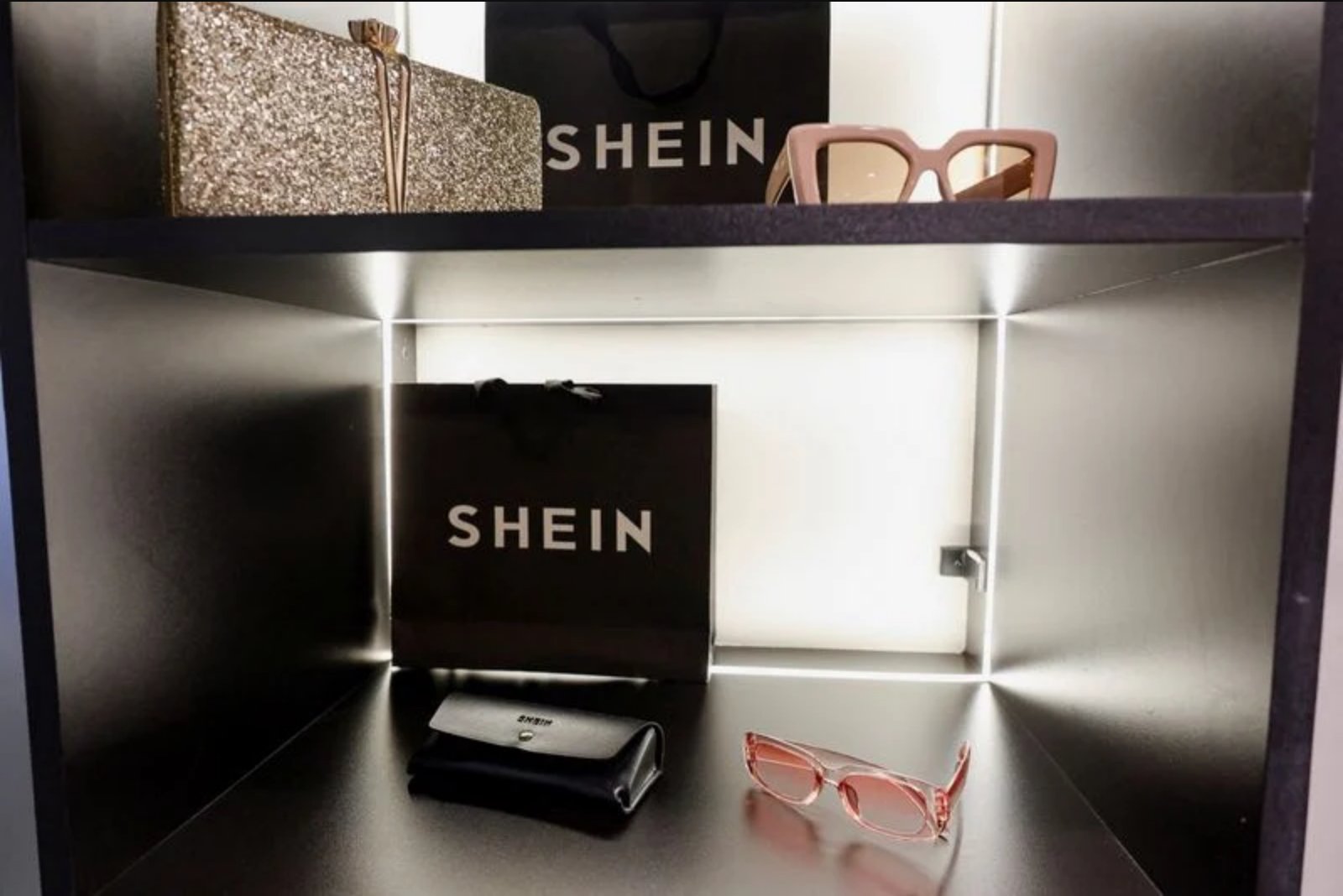
Global fast-fashion retailer Shein is preparing for a Hong Kong initial public offering that could bring in about $2 billion to $3 billion, according to people familiar with the matter who were cited in reporting on the development. The company obtained approval from China’s securities regulator last Friday for a Hong Kong IPO, a key procedural clearance that moves the process forward.
That regulatory sign-off permits Shein to take the next steps in a potential listing, including conducting investor roadshows and launching bookbuilding once it secures the formal green light from the Hong Kong exchange. The ultimate proceeds from the offering will hinge on Shein’s valuation and the level of investor demand; both the timing and the size of the deal remain subject to change.
Earlier coverage noted that Shein is scheduled to appear before the Hong Kong Stock Exchange’s listing committee for an IPO hearing on Thursday, where company representatives will respond to questions from committee members. One source indicated a possible alternative timeline, suggesting Shein could target a September or October listing instead of August, with a hoped-for valuation in the range of $40 billion to $50 billion.
Those valuation targets stand well below a peak private-market valuation of as much as $100 billion in 2022. Shein, founded in 2012 by entrepreneur Sky Xu, operates across roughly 150 countries and sells low-priced apparel items such as $5 dresses and $10 jeans. The planned Hong Kong offering would represent a milestone after prior attempts to list in the United States and London did not come to fruition.
The company filed its application confidentially last July and waited about a year for Beijing’s approval to proceed with the Hong Kong listing. With the recent regulatory clearance, Shein may begin marketing the IPO to investors and start bookbuilding when it obtains the exchange clearance required to formally launch the deal.
Key context: The firm’s path to a public market debut now advances to exchange review and investor engagement, while the final economics of the offering will be determined by valuation and appetite among prospective investors.