
LIV Golf has secured a new lead investor for a transaction targeted to be finalized in September, Chief Executive Scott O’Neil said on Wednesday. The agreement is designed to provide the breakaway golf circuit with capital as it transitions away from its previous primary backer, Saudi Arabia's Public Investment Fund.
O’Neil said the lead investor has signed the agreement and that the board has approved the arrangement to "anchor the transaction and support the league’s next era." He added that more than a dozen other parties have expressed interest in taking minority stakes, which would create a multi-partner investment model for the league.
As part of the restructured ownership plan, players are expected to become majority equity holders in the league, according to O’Neil. The circuit will also compress its competitive calendar to 10 events, with those tournaments divided evenly between international venues and events held in the United States.
The new financing is intended to replace support from the sovereign wealth fund PIF, which had been LIV Golf's primary funder since the tour's launch in 2022. PIF invested more than $5 billion into the circuit over that period, the company said. In April, the fund stated that additional investment in the league no longer matched its strategy.
PIF's capital previously underpinned LIV Golf's recruitment of several major champions to the new circuit, including Bryson DeChambeau, Jon Rahm, Phil Mickelson, Dustin Johnson, Brooks Koepka and Patrick Reed. Those signings came as part of an aggressive prize-money and recruitment approach enabled by the fund's backing.
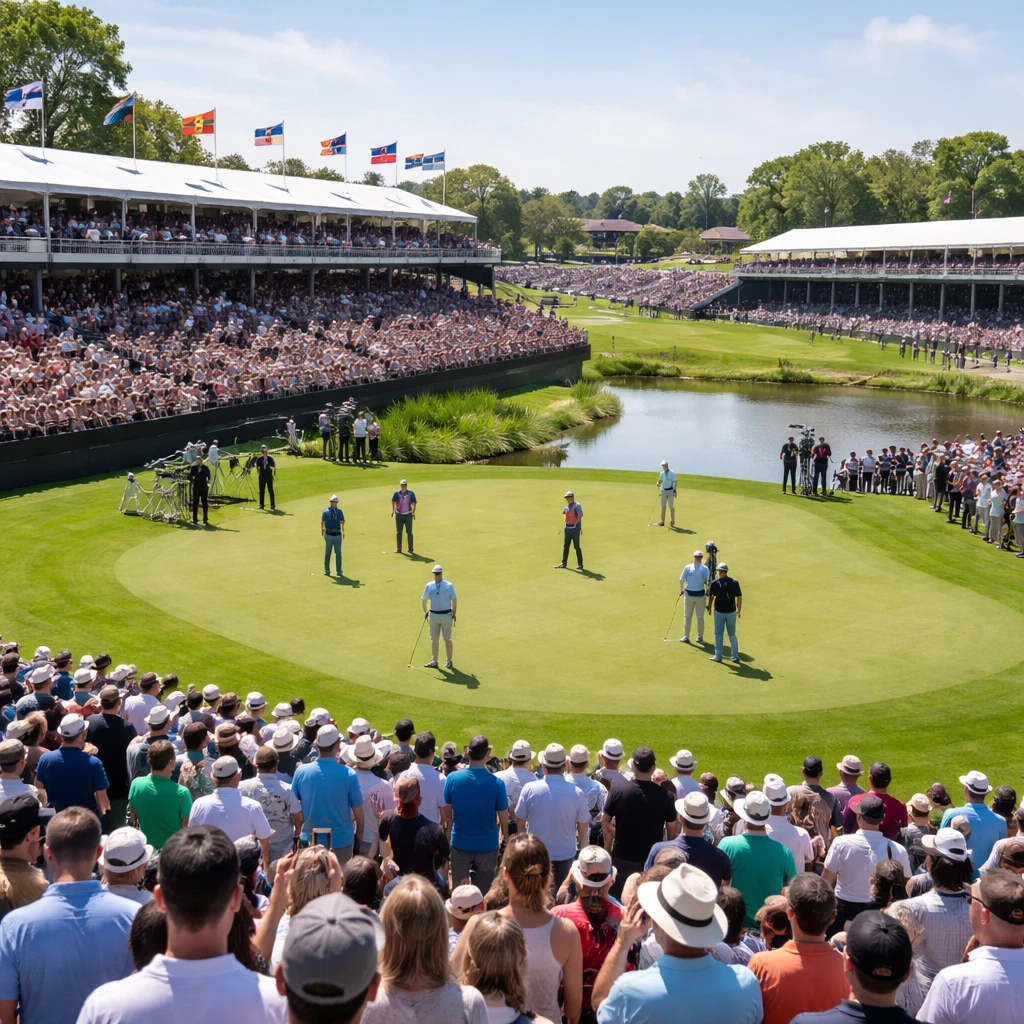
The circuit has also reported notable spectator engagement: LIV Golf Adelaide set a record this year as Australia's highest-attended golf tournament, drawing more than 115,000 spectators, the company said.
Key context and next steps
- The lead investor agreement is signed and board-approved and is expected to close in September.
- More than a dozen potential minority investors have shown interest, pointing to a multi-partner ownership model.
- The plan calls for players to become majority equity holders and for the tournament schedule to be reduced to 10 events split evenly between international and U.S. sites.
Impacted sectors
- Sports and entertainment, through changes to league ownership and event scheduling.
- Private investment and sovereign wealth activity, given the replacement of prior sovereign funding.
- Tourism and local event economies at host venues, tied to attendance figures and the condensed schedule.