
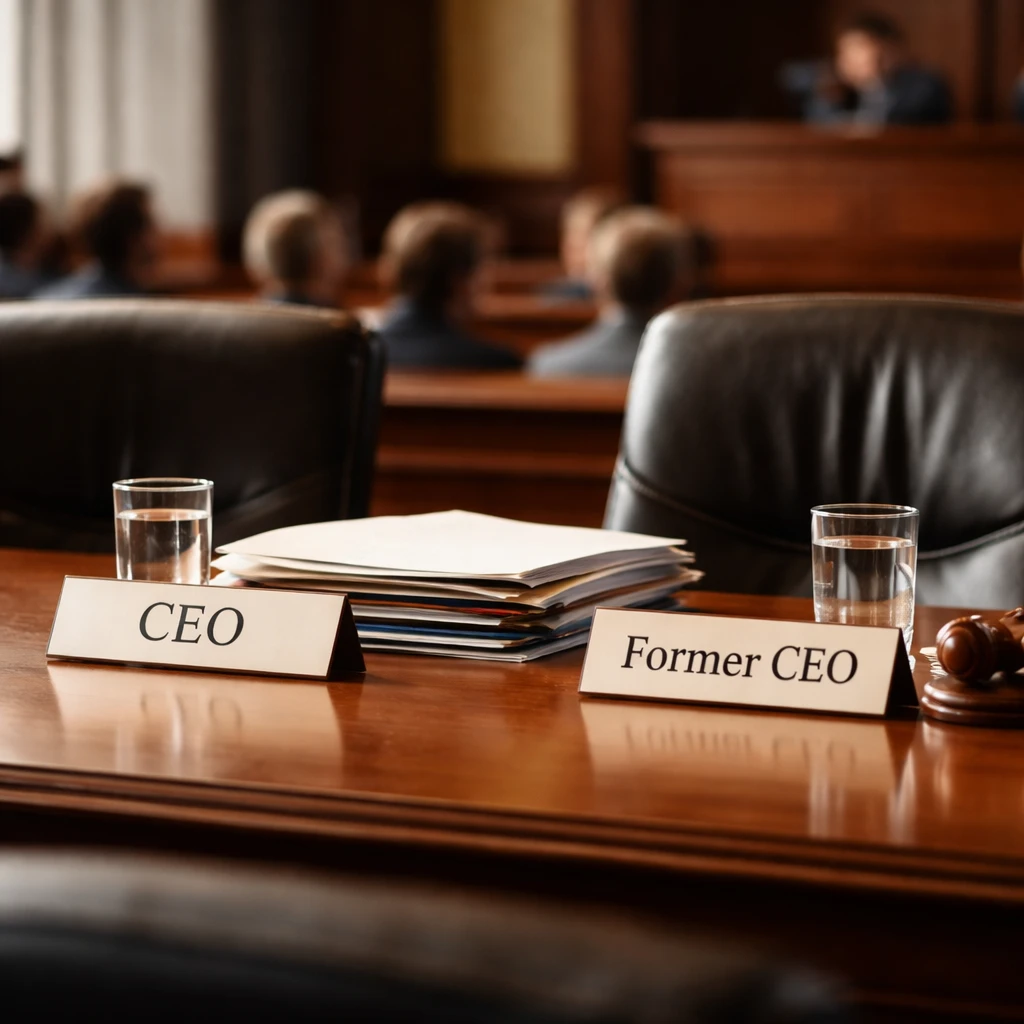
A federal magistrate in San Francisco has ruled that plaintiffs pursuing an antitrust suit against LinkedIn may question both the company’s sitting chief executive and a prominent former leader as part of discovery.
U.S. Magistrate Judge Laurel Beeler authorized a four-hour deposition of current CEO Daniel Shapero and a three-hour deposition of Reid Hoffman, LinkedIn’s billionaire co-founder and former chief executive. Hoffman led the company prior to its sale to Microsoft for $26.2 billion in 2016.
LinkedIn had asked the court to bar depositions of those executives, maintaining that they lacked firsthand knowledge relevant to the claims and that plaintiffs should obtain information from other sources first. Judge Beeler concluded that the plaintiffs satisfied the standards required to seek testimony from senior corporate executives.
The litigation, which was filed in 2022, alleges that LinkedIn unlawfully dominated the professional social networking market - claiming more than 97% market control - and leveraged that position to impose excessive fees for premium subscriptions. LinkedIn has labeled the allegations as without merit and has said additional discovery will not alter its position. Microsoft is not named as a defendant in the suit.
Last year, LinkedIn reached a proposed settlement with the plaintiffs that would have mandated changes to certain business practices but would not have provided monetary compensation to users. That proposed deal was rejected by U.S. District Judge Haywood Gilliam Jr. in Oakland, who cited problems with the settlement. Gilliam has not yet decided whether to permit the case to proceed as a class action; plaintiffs have asserted that potential class membership could number in the hundreds of thousands.
The social platform has continued to grow since its acquisition by Microsoft, with the company reporting more than 1.3 billion members since the sale. The court-authorized depositions set specific time limits for questioning of the two executives and reflect the court’s assessment that direct testimony from top leadership is warranted for the plaintiffs’ claims.
Context and next steps
Judge Beeler’s order allows limited, focused questioning of LinkedIn’s senior executives as the case moves through discovery. The ruling does not resolve the merits of the antitrust claims, nor has the district court yet certified a class. Additional discovery and future decisions by the district judge will determine whether the litigation advances to trial or otherwise resolves.