
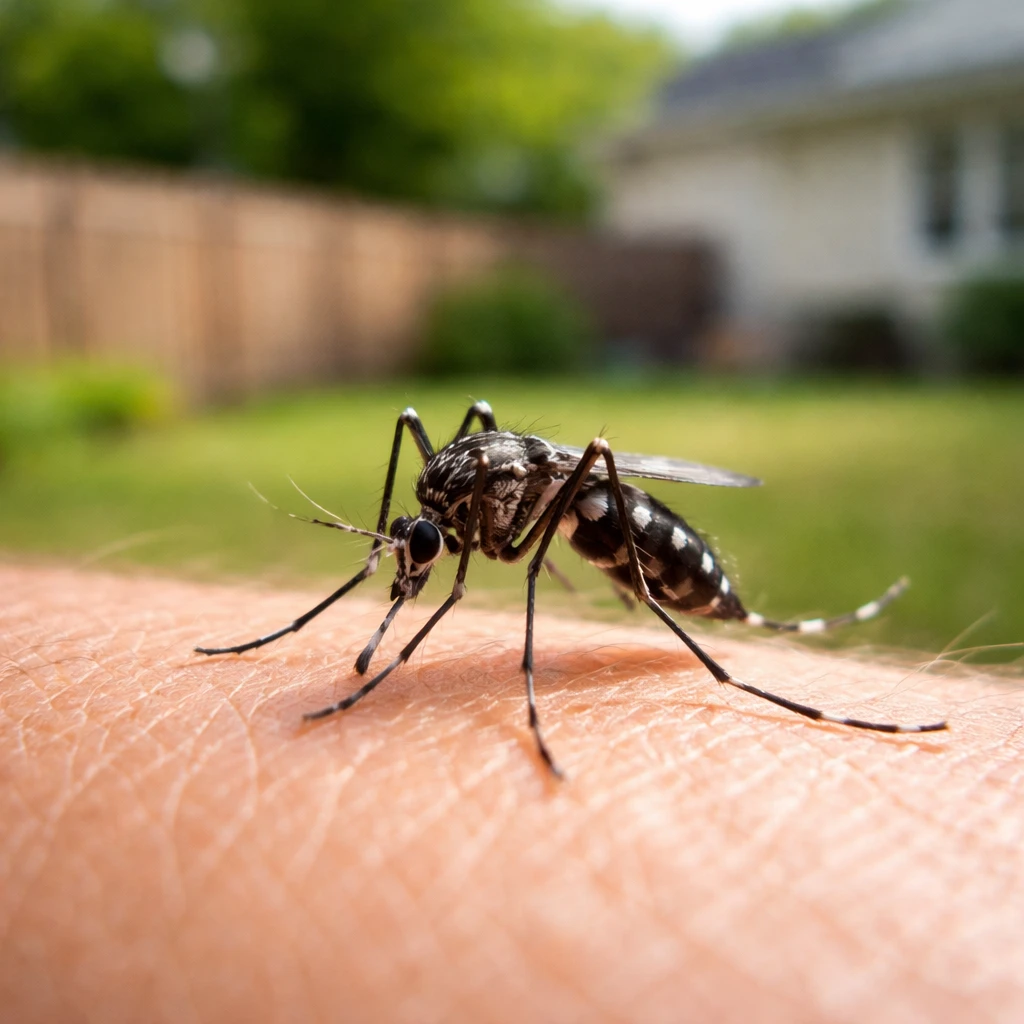
Virginia health officials on Tuesday confirmed the state's first case of dengue in an individual with no recent travel history outside Virginia. The Virginia Department of Health indicated the infection was most likely transmitted by a local mosquito that previously fed on a traveler who had contracted dengue abroad.
Authorities emphasized that the risk to the public remains low. The department's notification followed reports of recent locally acquired dengue infections in Florida's Miami-Dade and Hillsborough counties, signaling that the virus has begun to appear in areas outside the traditional tropical range.
James Earnest, an assistant professor at the University of Central Florida who studies immune responses to dengue, said mosquitoes that carry dengue and related viruses are being moved into the United States through travel, airplanes and ships. He added that the U.S. climate has become more suitable for their survival.
Earnest identified southern Florida, Texas, Louisiana and southern California as regions facing the highest risk of continued dengue spread, noting that warmer winters allow the mosquito vectors to persist seasonally in areas where they previously could not survive.
The mosquitoes that transmit dengue are the same species responsible for spreading Zika and chikungunya. According to the U.S. Centers for Disease Control and Prevention, dengue can present with fever, body aches, eye pain, nausea and rash.
The CDC has recorded more than 1,400 dengue cases in the United States this year, with nearly all of those cases linked to travel. Virginia's first locally acquired infection stands out in that the patient had no recent travel outside the state, and health officials said the case likely reflects a local mosquito bite following exposure to an infected traveler.
State and federal health agencies continue to monitor reported cases and vector activity. Officials' public messaging in this instance highlighted a low level of immediate risk while noting the broader pattern of locally acquired infections that has emerged in parts of the country.
Contextual notes
This report is limited to the facts released by state health officials, the expert comment provided by James Earnest and case totals published by the CDC. It does not introduce additional data or conclusions beyond those sources.