
Stock Markets July 31, 2026 07:28 PM

Google Pauses AI Image-Generation in Google Earth After Policy Concerns

Feature using Nano Banana 2 model disabled a day after release as users shared imagery that appeared to breach company rules

By Maya Rios
Share
Twitter Reddit Facebook LinkedIn
GOOGL META

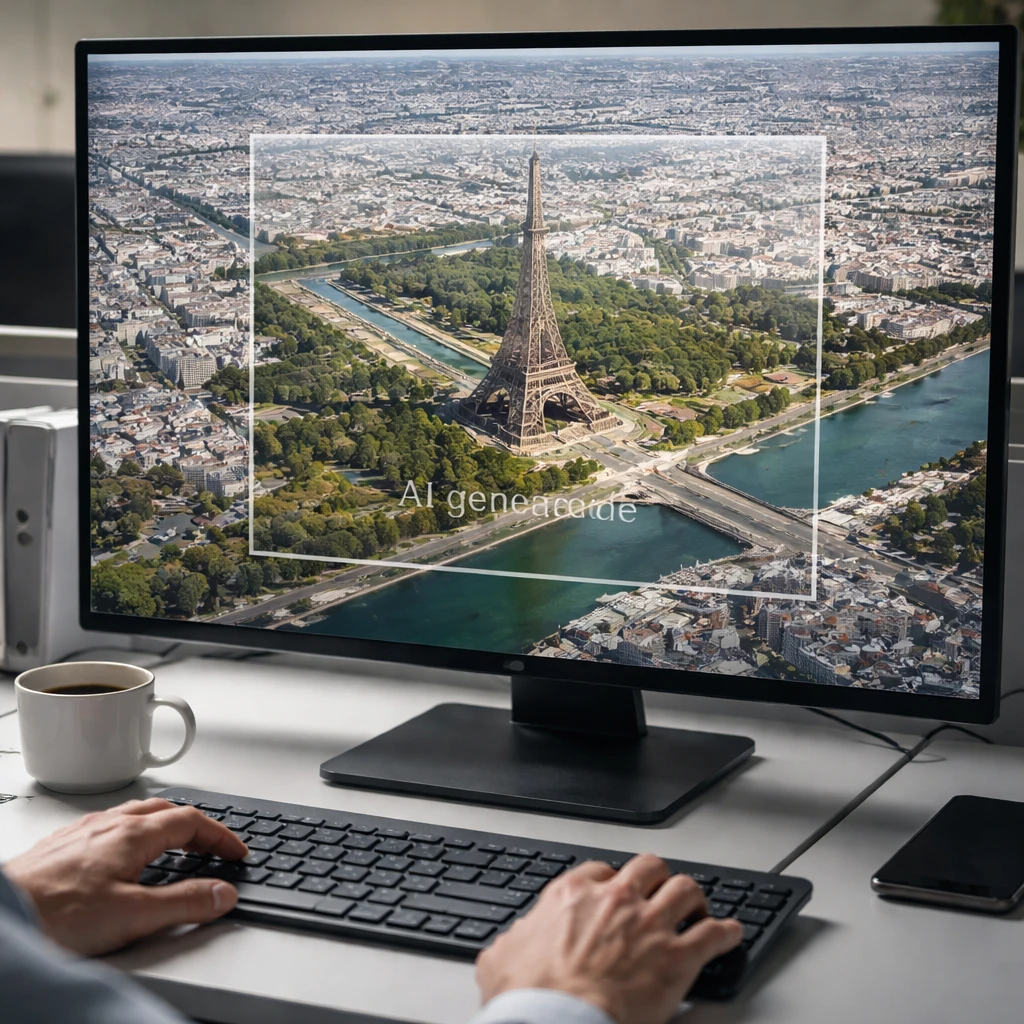
Google has temporarily disabled a newly launched AI image-generation capability in Google Earth after users circulated images that seemed to violate Google’s policies. The tool, powered by the Nano Banana 2 model, let people create photorealistic renderings tied to Google Earth satellite, aerial and 3D imagery by entering text prompts for locations worldwide. Google said the content in question did not appear within the main Google Earth experience and was watermarked, and that it is pausing the feature while stronger safeguards are developed.

Google Pauses AI Image-Generation in Google Earth After Policy Concerns
GOOGL META
Summarize with
ChatGPT Perplexity Claude Grok Gemini

Key Points

  • Google paused an AI image-generation feature in Google Earth one day after launch due to images shared by users that appeared to violate company policies - sectors impacted: Technology, AI.
  • The feature used Google’s Nano Banana 2 model to create photorealistic images tied to Google Earth’s satellite, aerial and 3D imagery from text prompts - sectors impacted: Geospatial services, Mapping.
  • The company said generated images were watermarked and did not appear in the main Google Earth experience; it is pausing the capability to build stronger guardrails - sectors impacted: Tech product safety, Platform governance.

Alphabet’s Google said it was retracting an AI-powered image-generation feature from Google Earth a day after introducing it, citing instances in which users shared generated images that appeared to contravene the company’s policies. The capability had relied on Google’s Nano Banana 2 AI model to produce photorealistic images grounded in Google Earth’s satellite, aerial and 3D imagery based on user text prompts for any location on Earth.

In a message posted on X, Google acknowledged that geospatial professionals had used the tool for useful applications but that there were also examples of people posting screenshots of generated images that seem to violate the company’s policy standards. The company said it would pause the feature while it develops stronger guardrails.

Google did not specify what categories of images violated its policies. The company added that the generated imagery did not appear inside the principal Google Earth consumer experience and that those images were watermarked to indicate they were AI generated.

The move follows a broader pattern among major technology firms that have integrated AI features across products and then adjusted or restricted those capabilities in response to user behavior, misinformation concerns and policy issues. The company statement referenced this trend without naming additional specifics.

The Google Earth rollback echoes a recent action by Meta, which earlier this month discontinued its Muse Image feature. That tool had enabled users to generate images using public Instagram accounts and was pulled after widespread criticism over privacy concerns, including objections raised by a Hollywood union.

The Google announcement did not include further operational details, a timeline for restoring the feature, or specifics on the additional safeguards that will be implemented. Nor did it elaborate on the precise violations that prompted the pause. For now, Google says it will work on stronger protections to limit misuse before reinstating the functionality.


Contextual note: The paused capability produced AI-created visuals tied to precise real-world imagery, which critics said carried risks of creating misleading or falsified scenarios superimposed on authentic views of monuments and landmarks. Google emphasized that the images were watermarked and were not integrated into the main Earth experience.

Risks

  • Potential for misinformation from AI-generated images that overlay fake scenarios on real-world imagery - impacts Technology and Media sectors.
  • Privacy and policy backlash from users and advocacy groups could force changes or limits on AI features - impacts Social media and Platform companies.
  • Uncertainty over when safeguards will be sufficient to reinstate the feature creates short-term product and user-experience disruption - impacts Product development and Geospatial services.

More from Stock Markets

Three Headwinds Threaten Japan's Equities This August Jul 31, 2026 Griffin’s Citadel Steps In to Stabilize Fallen AI-Focused Hedge Fund Jul 31, 2026 FIFA World Cup Privatization Plan Faces Revolt as Senior Adviser Resigns Jul 31, 2026 FTC Lets IonQ Acquire SkyWater After Commissioners Fail to Agree on Conditions Jul 31, 2026 U.S. Orders Preparations for New Military Strikes on Iran as Diplomacy Falters Jul 31, 2026