
CVS Health’s Caremark unit has reached a formal settlement with the U.S. Federal Trade Commission under which it has agreed to constrain the use of after-market discounts, commonly called rebates, and to count payments made through the TrumpRx drug website toward some health plan deductibles, an FTC spokesperson said on Tuesday.
The settlement mirrors an earlier action involving Cigna and is intended to address practices that critics contend contribute to elevated prescription drug costs. Under the agreement, Caremark will include a patient’s payments via the TrumpRx site when calculating progress toward deductibles required by certain health plans - but only once regulations are implemented to accommodate the TrumpRx program.
The FTC said the settlement could translate into savings in the billions of dollars on drug prices. FTC Chairman Andrew Ferguson was quoted by the agency, saying the commission will not tolerate anticompetitive behavior that increases costs for U.S. consumers.
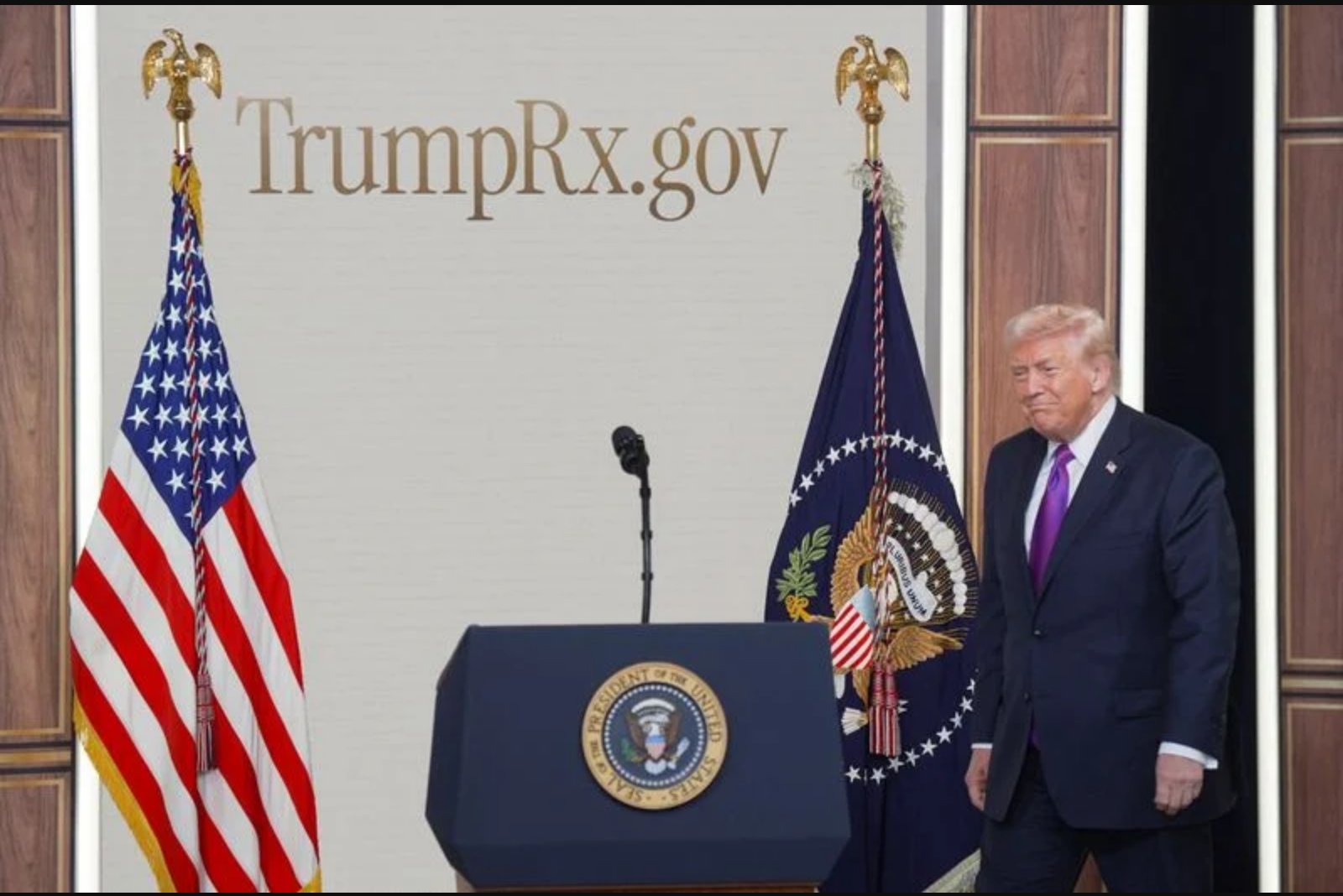
TrumpRx.gov, launched in February by President Trump, offers hundreds of discounted generic and branded medications and has emphasized discounted access to widely used weight-loss drugs produced by Eli Lilly and Novo Nordisk. The program directs cash-paying customers to drugmaker websites to purchase discounted medicines, but it has operated outside of insurance so far, which limits its usefulness for some consumers who rely on insurance coverage.
Health plan deductibles represent the out-of-pocket spending level members must meet before insurance coverage starts to contribute. By requiring Caremark to recognize TrumpRx payments for deductible credit once relevant regulations are in place, the settlement alters how out-of-pocket spending could be calculated for affected plans.
In addition to counting TrumpRx payments toward deductibles under those conditions, the settlement obliges CVS to offer clients a contractual option allowing them to opt out of rebate-based payment models, the FTC spokesperson added. Rebates are payments from drug manufacturers to pharmacy benefit managers and may or may not be passed along to plan sponsors or patients after a prescription is dispensed.
Context and implications
The settlement addresses two distinct elements: limiting PBM rebate practices and changing the treatment of cash-pay transactions sourced through TrumpRx for deductible accounting when regulations permit. Both aspects bear on how drug costs are allocated between patients, insurers and plan sponsors.
Because the agreement awaits implementation of specific regulations to fold TrumpRx into deductible calculations, the practical effects for plan members will depend on those future regulatory steps. The FTC projects material savings on drug prices as a result of the settlement.