
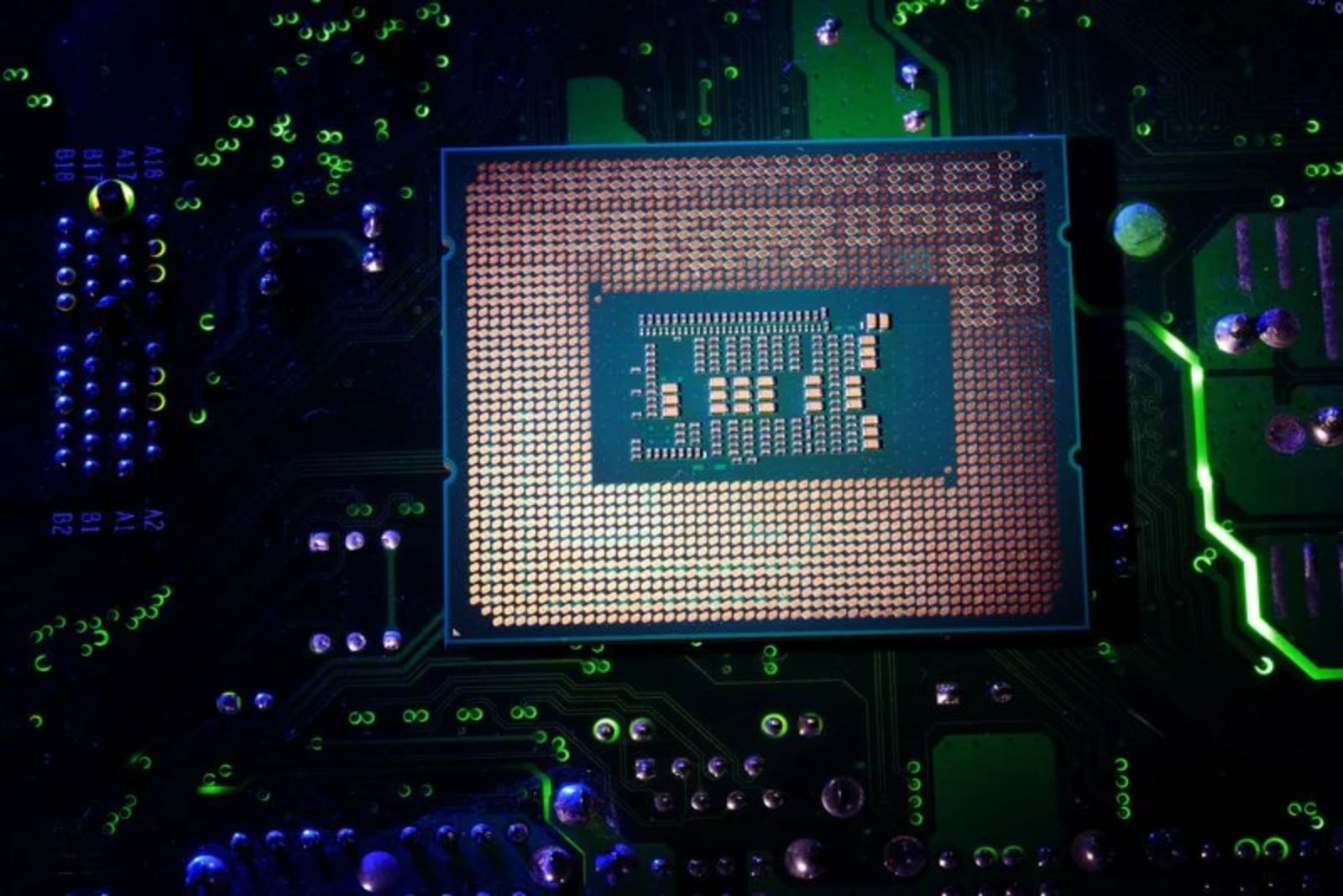
TYLSemi said it has closed an early funding round of $43 million to support a strategy of supplying modular pieces of custom AI processors, often called "chiplets," using open industry standards. The company was launched by Mohit Gupta and Sunil Bhardwaj, executives who formed the startup less than a year after Qualcomm completed its acquisition of AlphaWave.
The startup positions its product as an alternative to fully proprietary approaches to custom semiconductor design. Major cloud and social media companies are working with large component suppliers to develop bespoke chips for AI workloads, and some established firms have proprietary technology that governs how chips communicate at high speeds. Those proprietary interconnects are controlled by vendors such as Broadcom and Marvell Technology, and access to them typically requires a close development partnership with those suppliers to produce a finished custom chip.
TYLSemi’s co-founders want to take a different route by producing interoperable chiplets that adhere to open industry standards so customers can combine those chiplets with other providers' offerings and then package them into completed chips. Gupta summarized the approach in blunt terms, saying, "I feel progress happens with standardization. Whenever you do proprietary lock-in, it's a short-term game. Yes, you can squeeze (customers) given your position and whatnot, but it's not healthy for the market."
The $43 million round was led by Matter Venture Partners, with participation from Viola Ventures, GHOVC and Egis Technology. In addition to the venture backers, TYLSemi said it secured a strategic investment from "leading companies across the global semiconductor and AI infrastructure ecosystem," but it did not disclose the identities of those corporate investors.
Market context
The move by TYLSemi comes as demand for custom AI semiconductors has expanded, with large technology firms engaging multiple suppliers to design chips tailored to their workloads. The existence of proprietary high-speed interconnect technologies at established vendors means that some routes to custom silicon remain tied to vendor partnerships rather than open standards.
Company positioning
TYLSemi promotes a modular, standards-driven approach intended to enable customers to mix and match components from different sources when assembling custom AI chips, rather than becoming dependent on a single supplier's closed technology stack.