
The U.S.-Israeli war on Iran is starting to produce measurable financial strain for a number of companies in Australia and New Zealand, as firms point to higher fuel prices, disrupted routes and supply chains, and weaker consumer and business confidence. Corporates across travel, banking, retail, construction and logistics have updated guidance or flagged direct and indirect impacts stemming from the conflict.
Below are the firms in Australia and New Zealand that have publicly reported effects they attribute to the Gulf crisis, with company-by-company details on how the conflict is influencing costs, demand or operations.
Air New Zealand - New Zealand’s flag carrier has revised its outlook to forecast its largest annual pre-tax loss in four years. The airline now expects an annual pre-tax loss in a range of NZ$340 million to NZ$390 million ($201.8 million-$231.5 million), compared with a NZ$189 million profit in the prior year. The company had previously suspended its 2026 outlook and cited the war-related surge in jet fuel prices, which have increased costs and intensified pressures from weak demand and fleet constraints. Air New Zealand also said it had raised fares in response to volatility in jet fuel markets.
Auckland International Airport - The airport operator reported disrupted services on routes from Auckland to the Middle East. Passenger numbers on those Middle Eastern routes fell by 81% in March year-on-year, while seat capacity declined by 73% over the same period, the company said.
a2 Milk - The New Zealand infant formula maker reduced its fiscal 2026 profit outlook, attributing the revision in part to higher freight costs and temporary supply chain disruptions that affected availability of its China-label infant milk formula product in its largest market.
Cleanaway Waste Management - Cleanaway cut its full-year operating earnings forecast by about A$20 million ($14.17 million). Management attributed the revision largely to higher costs, lower activity levels and timing differences in cost recovery tied to the disruption environment.
Cochlear - The Australian hearing-implants maker trimmed its 2026 profit forecast after experiencing weaker trading in developed markets. Cochlear cited slower surgical volumes, fewer hearing-aid referrals and softer consumer sentiment. The company said the Middle East war has added risks including order cancellations, delivery delays and higher receivables exposure, which exacerbated margin pressure and restructuring costs.
Fletcher Building - The New Zealand construction materials producer described indirect exposure to the conflict through supply chains, freight routes, energy costs and the broader economic effect on construction demand in Australasia. The company plans to pass through higher costs to customers and will raise prices across divisions. Plastics are expected to face immediate exposure, with prices set to increase by up to 36%. Other divisions will see price increases in the range of 1% to 5%.
Flight Centre Travel - The corporate travel manager said hostilities in the Middle East have temporarily disrupted international travel patterns. The company estimated an impact of around A$10 million to its leisure segment profit in April. Flight Centre also warned of potential foreign exchange headwinds in the fourth quarter, arising from translation of overseas profits amid a strong Australian dollar, and reported a cost margin of 9.2% after the third quarter. Management said it continued measures including a freeze on support roles.
Fonterra - New Zealand’s dairy cooperative reported that the conflict is affecting its supply chain and could increase inventory levels and costs in the second half of the year. Fonterra also noted that the situation contributes to volatility in global commodity prices.
National Australia Bank (NAB) - NAB said it expects to record credit impairment charges of A$706 million ($504.44 million) in the first half of fiscal 2026. The bank indicated second-quarter interest-rate volatility, a weaker New Zealand dollar and the increased provisioning would reduce the group’s common equity tier 1 capital ratio by about 20 basis points as of March 31. NAB also expects to apply a 1.5% discount to the first-half dividend reinvestment plan to raise up to A$1.8 billion to strengthen its balance sheet.
Orora - The packaging firm cut its annual earnings forecast for its French unit Saverglass and cancelled its share buyback programme, attributing those moves to the effects of the war. Orora has also stopped bottle production at its glass facility in Ras al Khaimah in the United Arab Emirates because shipping routes have closed.
Qantas - Australia’s flag carrier raised its fuel cost outlook for the second half of the year by up to A$800 million, pointing to sharply higher and more volatile jet fuel prices. Qantas has not commenced a planned A$150 million share buyback, citing elevated fuel costs. To offset rising expenses, the airline said it is increasing fares in some markets, shifting capacity toward stronger routes such as Paris and Rome where demand remains firm, and trimming domestic capacity by about 5 percentage points in the June quarter.
Qube Holdings - Qube expects an EBITA hit of around A$10 million to A$20 million for fiscal 2026 as a result of the conflict. The logistics company also said recent events might accelerate investment in alternative energy projects, which it suggested could be beneficial for the firm in the longer term.
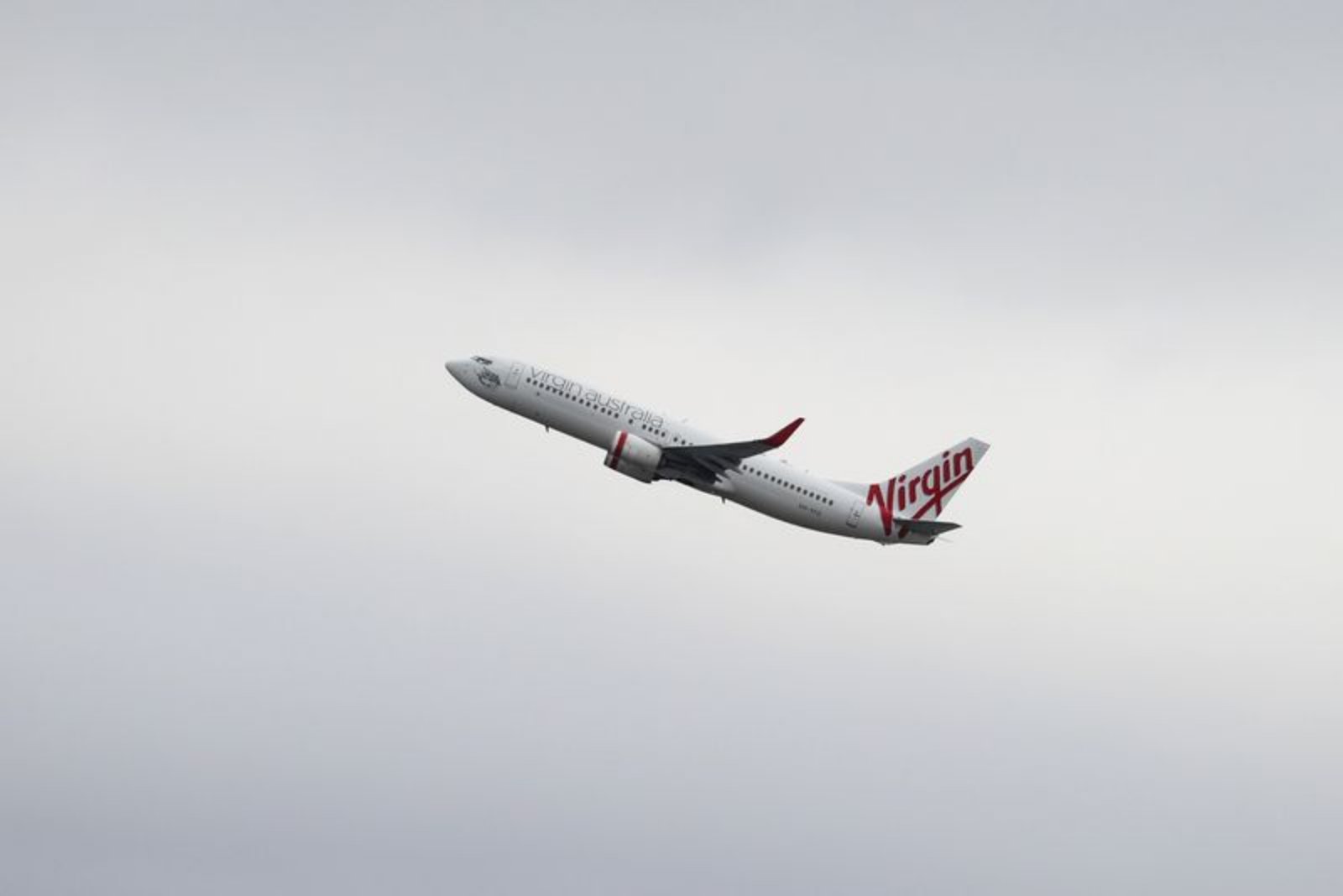
Virgin Australia - The carrier is anticipating higher fuel expenses, estimating an increase of around A$30 million to A$40 million ($21.39 million to $28.52 million) for the second half of fiscal 2026. In mid-March the airline said it was adjusting fares as rising costs across aviation are being exacerbated by the situation in the Middle East.
Westpac - Westpac flagged profit pressure in the first half of the financial year ended March 31 from energy market shocks linked to the conflict. The lender has increased credit provisions and said the net interest margin in its treasury and markets division weakened amid interest-rate volatility associated with the situation, prompting higher provisioning levels. Westpac noted its provisioning for potential bad debt is at its highest level since the COVID-19 pandemic.
Woolworths - The supermarket group said the conflict has created significant uncertainty for customers and suppliers and has compounded existing cost-of-living pressures. Woolworths warned that domestic food segment earnings growth in fiscal 2026 will not reach the upper end of its previously guided range due to fuel price pressures and investments in customer retention. The retailer also said it would freeze shelf prices for 300 household staples for three months from May 1 in response to conflict-driven cost pressures from Australian suppliers.
Worley - The engineering firm estimated the adverse impact on its underlying EBITA for fiscal 2026 to be in the range of A$30 million to A$40 million. Worley said it is unlikely to achieve growth in underlying EBITA in fiscal 2026, though it continued to target higher aggregated revenue growth compared with fiscal 2025.
Currency conversion references used in company disclosures were unchanged: $1 = 1.3996 Australian dollars and $1 = 1.6852 New Zealand dollars.
The reports collectively underscore how rising jet fuel and freight costs, closed shipping routes and shifting travel demand are transmitting through multiple sectors in Australia and New Zealand, from airlines and airports to exporters, supermarkets, logistics providers, construction materials makers and banks. Several companies signalled price increases to customers or fare adjustments as a response to higher input costs, while banks have increased provisioning amid market volatility.