
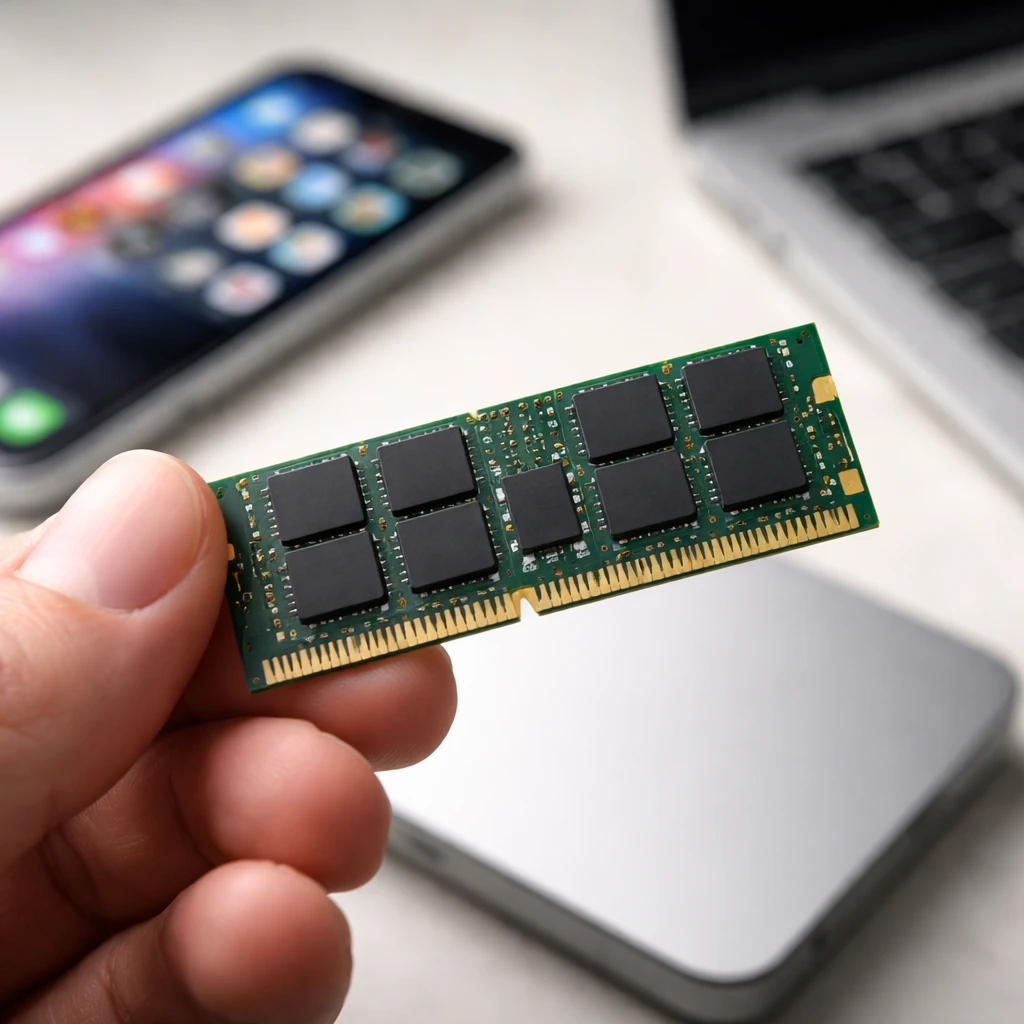
Apple Inc is testing memory chips made by CXMT Corp of China across several product lines, including iPhones and MacBooks, according to people familiar with the matter. The evaluations come as artificial-intelligence-driven demand exerts upward pressure on memory pricing and strains global supply chains.
Those familiar with Apple’s thinking said the company has also engaged in early discussions with CXMT about the possibility of supplying memory components specifically for devices sold in China. Any potential arrangement would carry political sensitivities because U.S. rules restrict certain technology transfers to the Chinese chipmaker.
Apple has been citing rising memory costs as one factor in recent global price increases for its products. With AI firms competing aggressively for limited memory inventories, access to components produced in China could offer Apple another sourcing avenue and may help relieve some cost pressure. However, several constraints limit how quickly that relief might arrive.
First, CXMT’s production is already committed for 2026, leaving scant room for new international customers in the near term. Second, CXMT’s memory modules can be priced similarly to - or even above - those from established suppliers such as Micron Technology, SK Hynix and Samsung Electronics, which reduces the prospect of immediate cost savings purely from supplier substitution.
U.S. export controls further complicate collaboration. Current rules restrict American companies from transferring certain technologies to CXMT, which would limit Apple’s ability to work with the supplier on customized memory designs. That said, export-control counsel Kevin Wolf noted that off-the-shelf components remain available under existing restrictions, allowing some forms of procurement and integration without prohibited transfers.
The broader memory shortage has already had measurable effects on device markets. Data from Counterpoint Research show global PC shipments declined about 4% year-on-year in the second quarter, while smartphone shipments were down roughly 11% in the same period, reflecting supply constraints and market dynamics tied to component availability.
At the same time, CXMT has experienced rapid growth. The company’s revenue expanded more than eightfold in the second quarter, and its global DRAM revenue share reached 7%. CXMT is also increasing capacity and has set a goal to more than double production by 2028, signaling an effort to scale supply despite short-term limitations.
As Apple explores an expanded supplier footprint to offset memory-driven cost pressures, practical limitations - committed capacity, competitive pricing from incumbent vendors and export controls - mean that any partnership with CXMT would likely evolve gradually, and would be constrained in scope by regulatory and commercial realities.