
Commodities August 10, 2026 12:29 AM

Gold Holds Near Seven-Week Peak as Markets Weigh Iran Developments and Fed Trajectory

Prices steady after job data and looming U.S. inflation reports reshape expectations for a September rate move

By Caleb Monroe
Share
Twitter Reddit Facebook LinkedIn

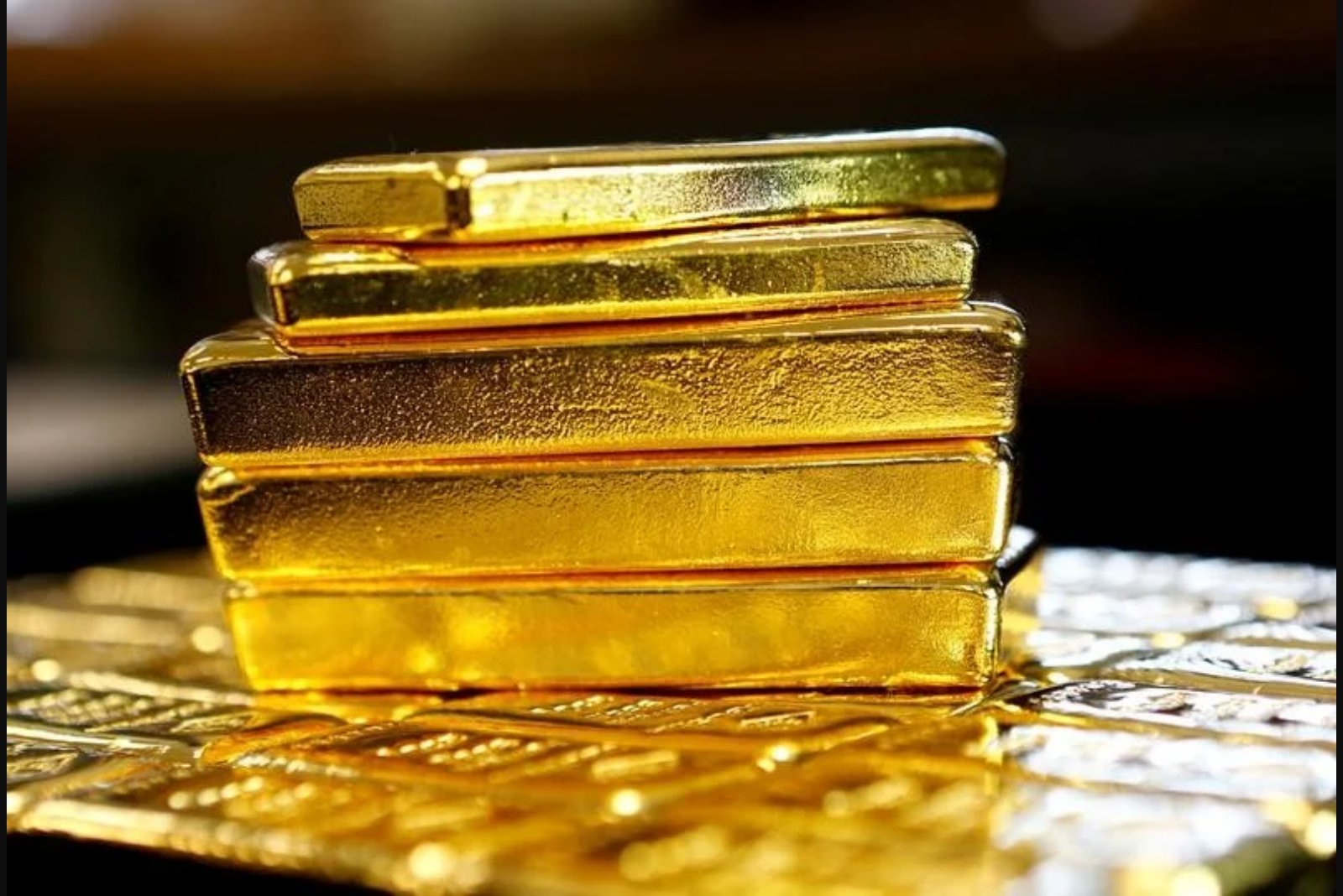
Gold remained broadly steady after climbing to a seven-week high in the prior session, as investors balanced persistent Middle East uncertainty against weakening odds of a September U.S. interest-rate increase following softer-than-expected U.S. labour-market data. Markets now await U.S. consumer and producer inflation readings that could further influence the Federal Reserve's policy path.

Gold Holds Near Seven-Week Peak as Markets Weigh Iran Developments and Fed Trajectory
Summarize with
ChatGPT Perplexity Claude Grok Gemini

Key Points

  • Gold held near a seven-week high, with spot gold at $4,336.43 an ounce and U.S. Gold Futures at $4,395.40, each down about 0.1% at 00:27 ET (04:27 GMT).
  • Softer U.S. labour-market data that showed the economy shed jobs in July and downward revisions to prior employment prompted markets to lower the odds of a September Fed rate hike - futures now place the probability of a Sept. 15-16 hike below even.
  • Investors are focused on upcoming U.S. consumer and producer price reports, and geopolitical movements involving Iran and Oman in the Strait of Hormuz, both of which affect inflation expectations and safe-haven demand.

Gold prices were largely unchanged on Monday after reaching levels not seen in seven weeks during the previous trading session, with market participants monitoring both geopolitical developments and incoming U.S. inflation data for signs on the Federal Reserve's next steps.

Market moves and prices

Spot gold eased 0.1% to $4,336.43 an ounce as of 00:27 ET (04:27 GMT). U.S. Gold Futures similarly slipped about 0.1%, trading at $4,395.40.


Drivers: labour data and Fed expectations

Prices had climbed to their highest since June 17 on Friday after U.S. data indicated the economy unexpectedly lost jobs in July and earlier employment gains for prior months were revised sharply lower. Those softer labour-market figures prompted market participants to scale back expectations for a September Fed rate hike.

Futures markets now assess the probability of a rate increase at the Sept. 15-16 Federal Open Market Committee meeting as below even, compared with a previously greater-than-even chance. Lower expected interest rates tend to support holdings of non-yielding assets such as gold, as the opportunity cost of holding bullion declines when rates fall.


Inflation reads in focus

Investors are awaiting U.S. consumer price data due on Wednesday and producer prices on Thursday. Softer readings in those reports would likely strengthen expectations that Fed policy will be less restrictive, a dynamic that could be constructive for precious metals.


Geopolitical backdrop

Geopolitical uncertainty also kept bullion in focus. Iran said it was nearing a final pact with Oman to create new shipping lanes through the Strait of Hormuz, but added that Washington still needed to meet several conditions before the strategic waterway could be reopened. Such tensions generally provide safe-haven support for gold, although an associated rise in oil prices can complicate the inflation outlook and weigh against expectations for easier Fed policy.


Other precious metals

Silver advanced 0.5% to $63.89 an ounce, while platinum gained 0.5% to $1,757.50.

The balance of incoming U.S. inflation data and developments in the Middle East will likely remain central to short-term price direction for bullion and related markets.

Risks

  • U.S. consumer price index and producer price index readings due this week could alter Fed-rate expectations and push gold prices in either direction - impacts extend to fixed-income and precious-metals markets.
  • Geopolitical developments around the Strait of Hormuz, including Iran's reported talks with Oman and conditions from Washington, create uncertainty for shipping and energy markets that can feed through to inflation and market sentiment.
  • A fresh rise in oil prices linked to Middle East tensions could complicate the inflation outlook, potentially undermining expectations for Fed easing and affecting commodity and inflation-sensitive sectors.

More from Commodities

Hormuz Transit Uncertainty Sends European Gas Prices Up as Storage Lags Seasonal Norms Aug 10, 2026 WTI Crude Navigates a Bear-Flag Consolidation Near $78.27; Next Breakout Could Drive Multi-Dollar Move Aug 10, 2026 Copper Hovers Over $6.58 Support After Rejection Near Record Highs Aug 10, 2026 Oil edges higher as Strait of Hormuz reopening stays uncertain; Houthi strikes intensify supply concerns Aug 9, 2026 Strait of Hormuz poised to reopen: Five dynamics that will shape markets Aug 9, 2026