
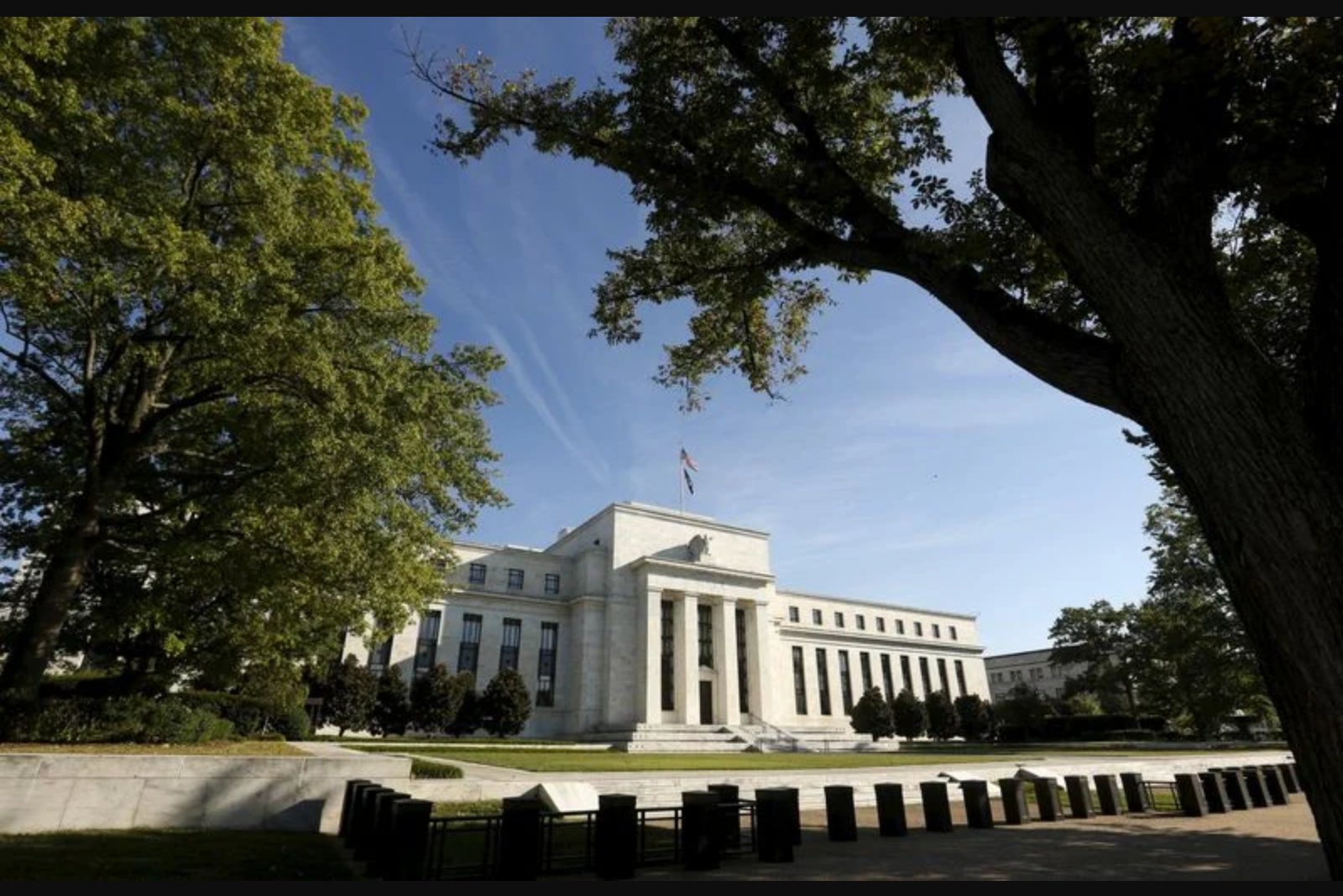
The Federal Reserve is set to release results of its yearly stress testing of large banks on Wednesday at 4:00 p.m. ET (2000 GMT). Under the annual stress test exercise, the Fed evaluates major banks’ balance sheets against a hypothetical, severe economic downturn whose specific components are updated each year. Ordinarily, outcomes of the tests affect banks’ regulatory capital obligations and influence how much capital they can return to shareholders through buybacks and dividends. This year, however, the tests will not change banks’ capital levels even as they still provide a measure of system health amid a broader overhaul of capital rules led by President Donald Trump’s bank regulators.
Why the Fed conducts stress tests
The tests were introduced in the aftermath of the 2007-2009 financial crisis as a forward-looking check on banks’ ability to survive comparable shocks. The program formally began in 2011, and in its early years several large lenders had to alter capital plans to address Fed concerns. Examples named in prior public discussions include Citigroup, Bank of America, JPMorgan Chase & Co, and Goldman Sachs Group, which adjusted plans after initial rounds. The U.S. unit of Deutsche Bank is noted as having failed the tests in 2015, 2016 and 2018.
Over time, banks gained experience with the mechanics of the exams and the Fed increased transparency around the process. In 2020 the central bank removed a binary pass-fail outcome and shifted to a more nuanced, bank-specific capital regime, reducing some of the earlier uncertainty around regulatory treatment.
How banks are assessed
The test determines whether each bank’s capital ratio would remain above the 4.5% minimum during the hypothetical downturn. That ratio expresses capital as a percentage of assets. Firms that perform well typically would remain comfortably above that threshold in the hypothetical scenario.
Global systemically important banks also face an additional surcharge - the so-called G-SIB surcharge - of at least 1%. How a bank fares in the test also affects the size of its stress capital buffer, an extra cushion introduced in 2020 that sits on top of the 4.5% minimum. The buffer is calibrated to the modelled losses in the scenario: higher hypothetical losses result in a larger stress capital buffer.
This year’s exercise covers 32 banks and incorporates projections of a severe global recession along with elevated stress in commercial and residential real estate markets. Banks with considerable trading operations are additionally tested against a global market shock and the unexpected default of their single largest counterparty.
What is different about this year’s results
In February, the Fed announced it would not revise stress capital buffers following the 2026 test and instead would keep the existing buffers in place for now. The immediate effect of that decision is that the results published on Wednesday will reveal how the Fed’s models view each firm’s resilience but will not trigger changes to capital requirements or redistribution of capital via buybacks or dividends.
Why capital levels are being held steady
The Fed’s decision to pause updates to capital levels comes amid a program of changes aimed at addressing long-standing industry criticisms of the stress-testing process. Banks have argued that the regime is insufficiently transparent, overly subjective and administratively burdensome. Regulators have already moved away from pass-fail outcomes, removed a qualitative component that lenders said gave the Fed too much discretionary power, and created the stress capital buffer to better align capital requirements with each bank’s modeled risks.
Despite these adjustments, some institutions continued to press for further reforms and in 2024 initiated litigation to compel additional changes. Under the Fed’s proposals, banks would be allowed to see and comment on formerly confidential models and on the annual scenarios used in the tests. Supporters within the industry view this as a significant gain, while critics warned it could make exams less dynamic.
Fed Vice Chair for Supervision Michelle Bowman, who is overseeing the redesign, said that freezing capital levels for this year’s exam gives regulators time to incorporate feedback and to "correct any deficiencies." The pause is intended to allow technical changes to be implemented without immediately altering the capital landscape for the covered institutions.
What the results will mean
Analysts and investors will still scrutinize the published outcomes for insight into each bank’s modeled vulnerabilities and loss exposures, even though the results will not prompt immediate changes to capital allocation. The exercise will therefore remain a diagnostic tool for market participants and a data point in ongoing regulatory discussions while the Fed retools the broader testing framework.
Summary of the upcoming release
- The Fed will publish its annual stress test results at 4:00 p.m. ET (2000 GMT) on Wednesday.
- The tests model a severe economic downturn and measure whether banks would stay above a 4.5% minimum capital ratio; the stress capital buffer sits above that minimum.
- This year’s results cover 32 banks and include scenarios for a global recession, real estate stress, market shock and a sudden counterparty default; they will not change capital levels because the Fed is pausing updates while it revises the testing program.