
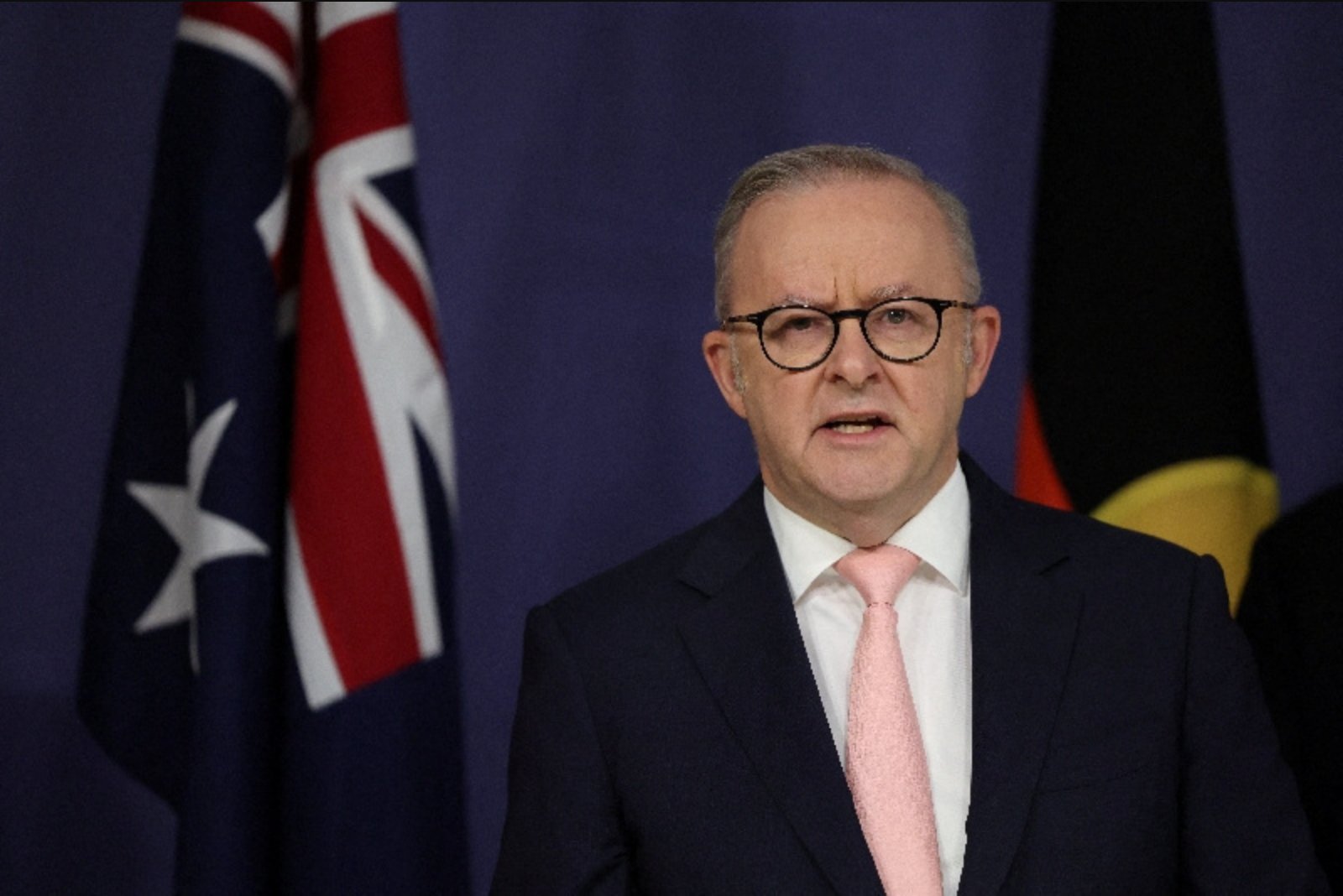
Australia’s centre-left government is confronting notable voter discontent following a budget that includes the most substantial adjustments to investment tax rules in decades. The measures, unveiled last week, would limit capital gains tax discounts and scale back negative gearing on certain assets as part of an effort the government frames as addressing intergenerational inequity.
Critics argue the policies disproportionately benefit older and wealthier homeowners, and recent polling indicates those criticisms have resonated with a sizable portion of the electorate.
Newspoll findings
A Newspoll conducted after the budget, based on interviews with 1,252 voters, recorded substantial negative sentiment. Some 47% of respondents said they believed the budget would be bad for the economy. Around 60% of those surveyed described the housing measures either as "a step in the wrong direction" or as measures that would "make no difference." Overall, the budget registered a minus 25 net approval rating in the poll, making it the most unpopular budget in decades according to the survey.
Despite the backlash on the budget, Labor’s primary vote in the Newspoll remained unchanged at 31%. Prime Minister Anthony Albanese remained voters' preferred leader, with his approval rating steady at minus 17%. The poll also showed Opposition leader Angus Taylor’s approval rating rising one percentage point to minus 12%, even as support for the conservative-coalition opposition fell one point to 20%. The far-right One Nation party saw its support climb 3 points to 27% in the Newspoll.
Resolve poll results
A separate Resolve poll, which surveyed 1,800 voters, found a different mix of shifts. In that survey, Labor’s primary vote slipped by three points to 29% following the budget. Rather than boosting the coalition, the decline appeared to benefit One Nation, whose support rose two points to 24%, while the coalition polled at 23%.
In the Resolve survey, Angus Taylor led as voters' preferred prime minister, with 33% support compared with Anthony Albanese at 30%.
Demographic impact
The Resolve poll highlighted which cohorts were most unsettled by the budget. Older Australians, property investors and property owners each recorded roughly 40% saying that Labor’s decision to break its prior commitments had harmed their view of the party. Conversely, younger Australians and renters registered less hostility toward the package.
Tax reform targeting property investment has long been recognised as politically sensitive. Labor had previously pledged during its 2025 election campaign that it would not alter housing taxes; that promise preceded the party winning a second term with a landslide result.
The polling signals a clear political challenge for the government as it seeks to implement changes aimed at rebalancing housing ownership dynamics, with the most pronounced opposition concentrated among established property owners and older voters.