
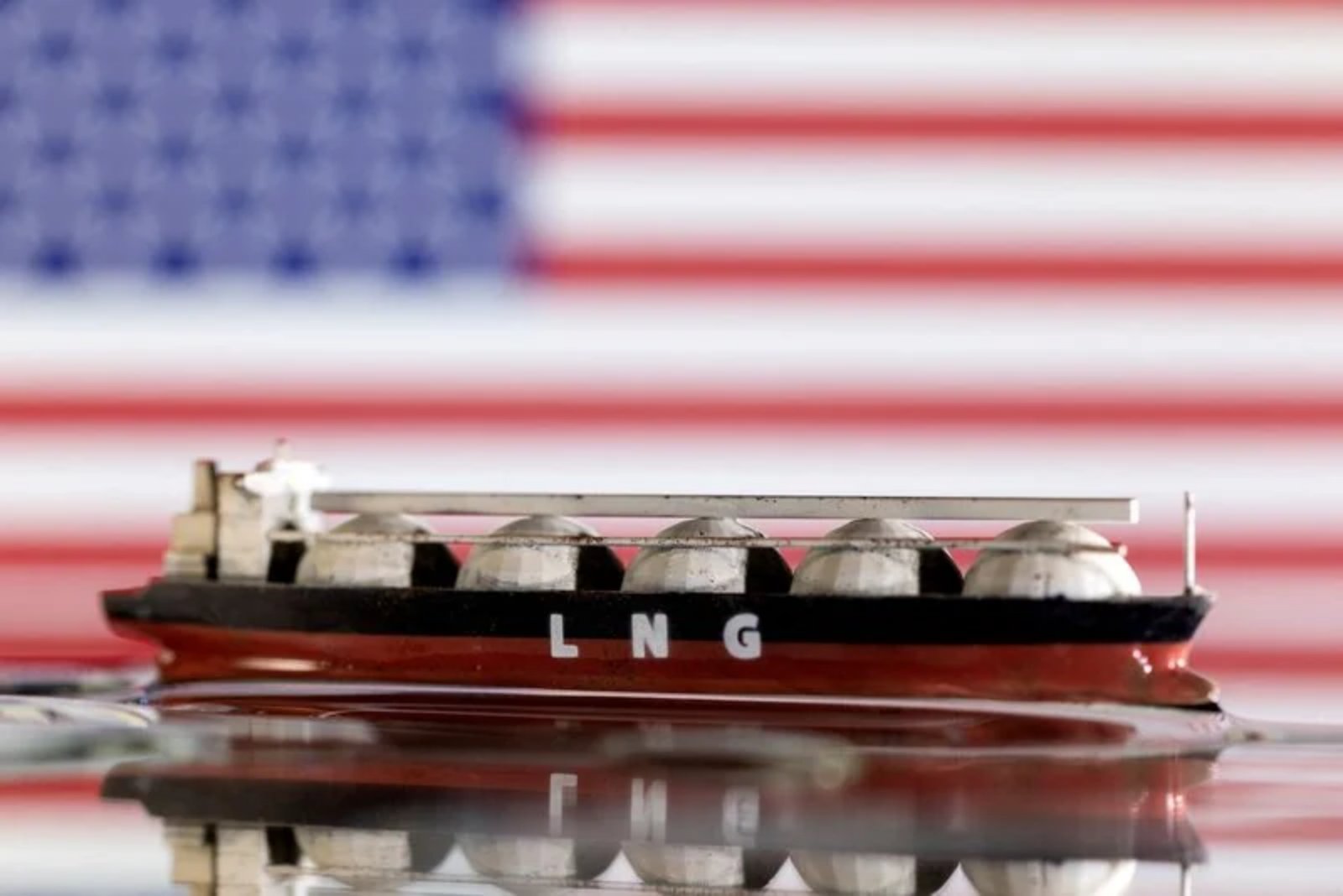
HOUSTON, Oct 28 - Federal regulators on Wednesday proposed changes to the safety rules governing liquefied natural gas facilities aimed at speeding up development of export projects and expanding U.S. export capacity. The proposal, issued by the Pipeline and Hazardous Materials Safety Administration (PHMSA), would update the agency’s regulatory framework to allow operators to adopt modern technologies and align PHMSA standards with those of the National Fire Protection Association for siting, design, construction, operation and maintenance.
U.S. Transportation Secretary Sean Duffy said the proposal is intended to help operators introduce new technologies that both trim costs and enhance safety. He estimated that leveraging these technologies would generate $100 million in savings annually. In his comments, Duffy added: "By overhauling these basic rules to embrace modern technologies, we can safely unleash America’s energy dominance, lower costs, and generate millions in economic opportunity for the men and women powering our energy sector."
The rulemaking comes as part of the current administration’s broader effort to accelerate energy infrastructure development and reduce consumer costs. Since the administration returned to power, policy moves have included resuming LNG export approvals - a process that former President Joe Biden had paused - and streamlining environmental approval processes that had previously slowed projects.
The United States is currently the world’s largest exporter of liquefied natural gas and is expected to increase output by about 100 million metric tons by the end of the decade. Global buyers of LNG have been seeking more diverse sources of supply, the article notes, particularly after disruptions to Gulf shipments attributed to the US-Israeli war against Iran.
Major U.S. LNG exporters have publicly signaled they intend to press ahead with permitting and construction. Companies such as Cheniere and Venture Global LNG have said they will pursue as much capacity as they believe they can build in light of increased permitting certainty under the current administration.
In the nearly two years since the administration took office, a wave of projects has reached final investment decision stage, totaling more than 50 million metric tons per annum, according to the reporting. Among projects advancing is Delfin LNG, which aims to become the first U.S. floating LNG export facility. However, PHMSA has not publicly cleared the pipeline tied to the floating facility to operate following an explosion earlier this year.
Regulatory change at PHMSA is not a complete removal of other oversight. Developers will still need to obtain authorizations from the Federal Energy Regulatory Commission, satisfy environmental approval processes and navigate ongoing legal challenges that frequently accompany major energy infrastructure projects. The proposed rule would update PHMSA’s approach but would not eliminate these remaining regulatory steps.
Context and implications
The proposal aims to reduce costs and speed deployment by modernizing the safety code under which LNG facilities operate, while formally adopting recognized fire protection standards. Proponents argue such alignment with modern standards will permit adoption of newer technologies and deliver measurable savings. Opponents or other stakeholders may point out that the procedural requirements from other federal agencies and litigation remain in place and can continue to delay projects despite the PHMSA rule changes.
What remains uncertain
While PHMSA’s proposed rule targets facility safety standards, the timeline for finalizing the rule, how quickly companies will implement the technologies cited by the Transportation Secretary, and the outcome of pending permitting and legal matters are not addressed in detail by the proposal itself. The article also notes that PHMSA has yet to publicly authorize the Delfin LNG pipeline following an earlier explosion, underscoring that safety approvals and operational clearances continue to be unresolved for specific projects.