
Overview
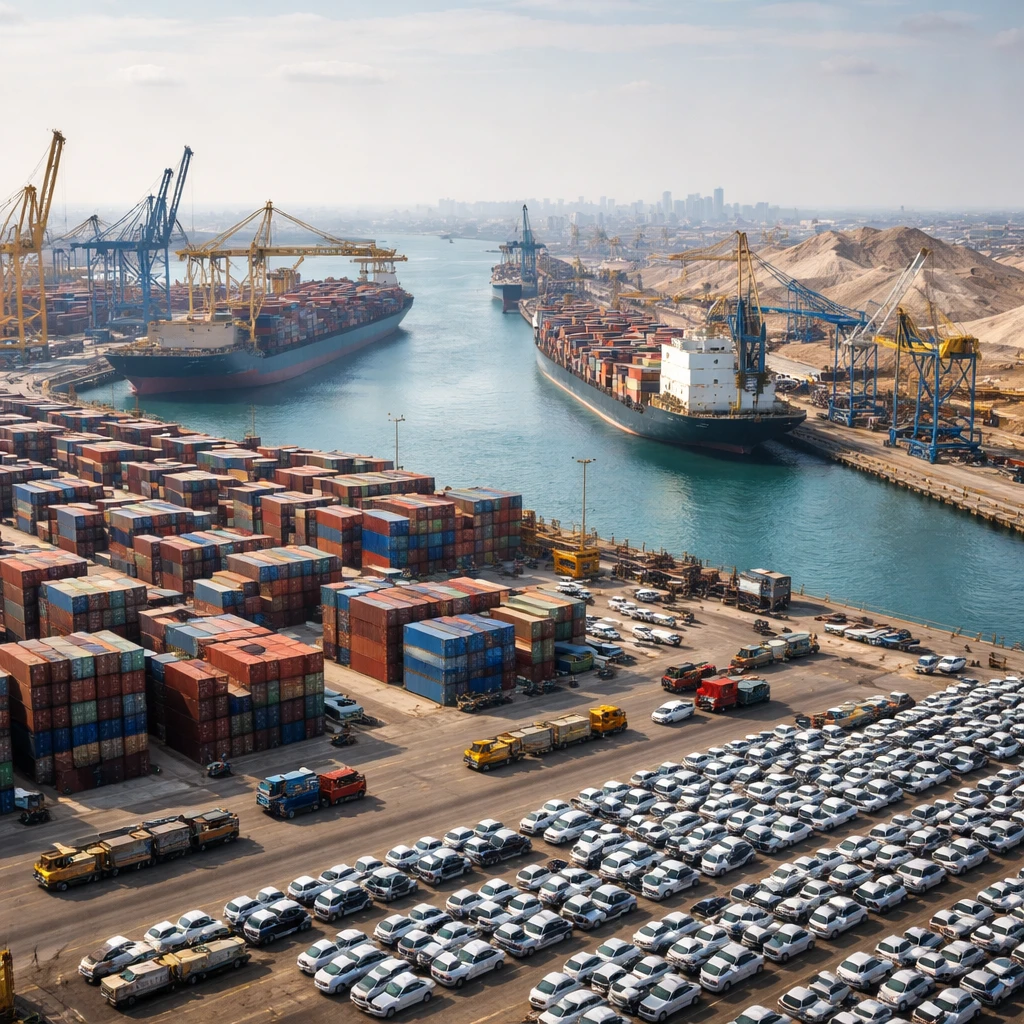
Morocco's external trade position weakened in the first five months of the year, with the annual trade deficit expanding 20.8% to reach 159 billion dirhams ($17 billion), the country’s foreign exchange regulator reported on Thursday. The regulator attributed the widening gap primarily to larger purchases of energy and equipment from abroad.
Movement in imports and exports
Total imports rose 11.8% compared with the same period a year earlier, climbing to 370 billion dirhams. Exports grew at a more modest pace of 5.8%, reaching 211 billion dirhams, producing the net increase in the deficit documented in the regulator’s monthly bulletin.
Drivers by category
Energy imports surged 20% to 55 billion dirhams, a rise the report links to the impact of tensions in the Middle East on fuel prices. Wheat imports also increased, up 8.6% to 8.3 billion dirhams ahead of a government-imposed suspension of imports in June and July intended to protect the domestic harvest.
The automotive sector remained the country's leading export category, registering 77 billion dirhams in exports, a 16% increase. The sector includes production at facilities run by manufacturers such as Stellantis and Renault operating in Morocco.
By contrast, exports of phosphates and related products, including fertilizers, fell 11.2% to 32.6 billion dirhams. The report notes that state-owned OCP Group had reduced output by 30% because of supply disruptions linked to the Middle East conflict, and that the company has announced plans to restore production to full capacity.
Other external flows
Remittances from Moroccans living abroad climbed 8.8% to 50.2 billion dirhams. Tourism receipts rose 14.3% to 53.7 billion dirhams over the same period. Foreign direct investment reached 30 billion dirhams, marking a 20% increase year-on-year, according to the regulator’s monthly figures.
Conclusion
The regulator's monthly report highlights a pattern in which faster import growth - particularly for energy and equipment - outpaced export gains in the first five months, producing a wider trade deficit. The data also underline divergent sectoral outcomes, with the automotive industry expanding exports while phosphate-related shipments contracted.