
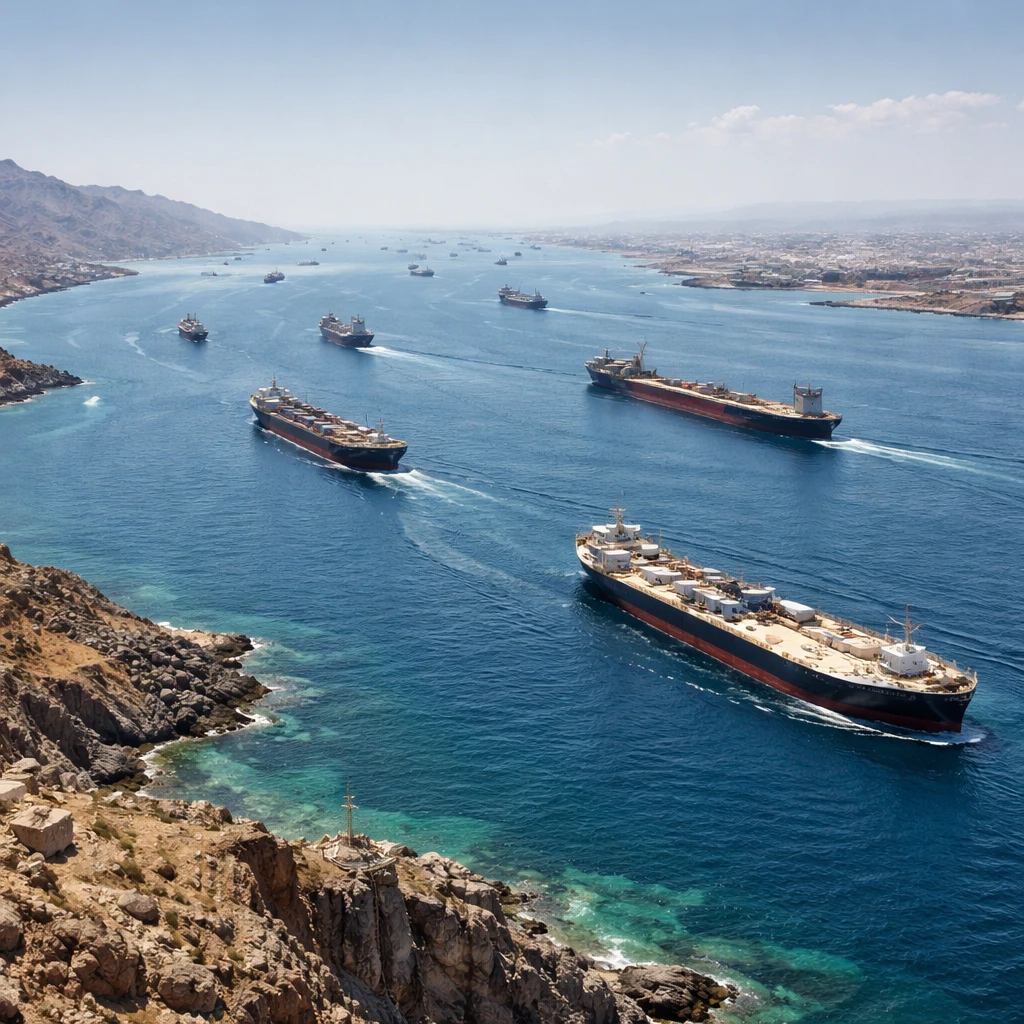
Iran is pressing ahead with a plan to charge fees on ships passing through the Strait of Hormuz that it says would raise about $40 billion annually, according to officials familiar with the proposal. The levies would cover security, safety and environmental services provided in the strategic waterway, which carries a substantial portion of global oil shipments.
Tehran has studied existing international precedents as it frames its approach. Officials say Iran is looking at arrangements such as those applied to the Dardanelles, where Turkey collects a gold franc tax from vessels moving between the Aegean Sea and the international waterway. The Iranian authorities view such precedents as a model for structuring charges on transiting ships.
The proposal is being shopped to governments across the Persian Gulf and to Beijing, according to Iranian officials. Tehran has indicated it wants neighboring Gulf states to join the agreement and receive a share of the revenue generated by the tolls. Iranian negotiators have been engaging with nearby countries to discuss the mechanics and distribution of any proceeds.
Mohammad Bagher Ghalibaf, identified by officials as Iran's chief negotiator on the matter, said during a visit to Oman that the management of the strait will not revert to previous arrangements. "Everyone needs to know that management of the strait will never return to the way it was before," he said while discussing the proposed arrangements with Omani counterparts across the waterway.
The plan has met immediate resistance. U.S. Secretary of State Marco Rubio, on a Middle East trip this week, rejected the idea of tolls or fees on international waters, arguing they would set a dangerous precedent. Speaking to reporters in Bahrain, Rubio said the concept would spread "like a contagion" and warned of the potential for disorder. He also said there was "zero support, zero support among the Gulf countries for any sort of toll or fees or anything that charges for the use of international waters."
The Iranian initiative follows a period in which the country blocked passage through the strait at the outset of the war. Tehran's current effort to formalize charges is presented as a way to assert control over an internationally significant oil transit route, and to convert maritime operations there into a source of fiscal revenue.
The contours of the plan - including which states would participate, how revenue would be divided, and the timetable for implementation - remain subjects of ongoing diplomatic discussion, according to the officials briefing on the proposals.
Summary
Iran is developing a proposal to levy fees on vessels transiting the Strait of Hormuz aimed at generating $40 billion per year, seeking to model the system on existing international arrangements and to involve Gulf neighbors and China. The plan has been publicly opposed by U.S. leadership and reportedly lacks support among Gulf states.
Key points
- Iran aims to collect about $40 billion annually by charging for security, safety and environmental services in the Strait of Hormuz - a major global oil transit route.
- Tehran is studying international precedents such as the Dardanelles' gold franc tax and is presenting the proposal to Gulf neighbors and China, with the intention of revenue sharing.
- The proposal has drawn explicit opposition from U.S. Secretary of State Marco Rubio and, he said, no support among Gulf countries for tolls on international waters.
Risks and uncertainties
- Acceptance risk - It is unclear whether neighboring states will agree to participate or accept revenue-sharing arrangements proposed by Iran.
- Precedent and stability risk - U.S. officials warn that imposing tolls on international waters could set a precedent with destabilizing effects, a concern framed as a potential source of broader maritime disorder.
- Operational uncertainty - Details on implementation, including the administrative and legal mechanisms for collecting fees, have not been finalized and remain under diplomatic negotiation.